Product Description
| Combined Medium Pressure Air Compressor Product Parameters | ||||
| Category | Model | Pressure (bar) |
Displacement (m³/min) |
Motor Power (kw) |
| Laser cutting supporting air compressor |
MPP-LC-1.2 | 30/40 | 1.2 | 15 |
| MPP-LC-1.6 | 1.6 | 18.5 | ||
| MPP-LC-2.0 | 2.0 | 22 | ||
| MPP-LC-2.5 | 2.5 | 25 | ||
Advantages
1,Large cylinder diameter, low speed, good reliability, economical and durable.
2,There is no need for foundation .
3,Interpolar safety valve and pressure gauge to effectively ensure the safety of mechanical operation
4,Continuous supply of compressed air with almost no oil and no water
5,The full performance integrated piston machine, gas storage tank, CHINAMFG dryer and precision filter are integrated into one. Through the whole connection of metal pipe, the user site does not need to connect the secondary pipeline of the equipment, which is convenient to install, simple to use and flexible to move.
, the installation is convenient, the use is simple, and the movement is flexible.
ZheJiang CHINAMFG Gas Compressor Manufacturing Co.,Ltd. founded in 2005, is a leading high technology of machine and equipment manufacturer integrating the design, R&D, production, sales and service for air compressors & Mining Equipment. Adopting advanced technology, design concept and quality control, and we are able to provide customized products to meet customers’ OEM needs.
Our company has more than 520 employees, including 86 senior technicians and professional engineers. Our technical team provides our customers with professional air system solutions. With the total 15000 square meters of the facility, 4 modern advanced production lines are built up to ensure production capacity to meet customer requirements.
Our company has been awarded the honorary title of “ZheJiang high-tech enterprise” and our products enjoy high honors in the industry. Our company has the ISO9001 certification and was awarded the qualification certificate of equipment through military contracts in 2018.
We offer the following products and services:
1. Screw air compressor
1.1 Oil-free screw air compressor
1.2 Oil-injected air compressor
2. Reciprocating piston air compressor
2.1 Piston air compressor
2.2 Oil-free piston air compressor
2.3 Piston medium & high-pressure air compressor
3.Portable air compressor & Mining Equipment
3.1 Diesel or Electric portable screw air compressor
3.2 Air Pick, Rock Drill, DTH Drilling Rig, Crawler Drilling Rig
4. Air compressor accessories
4.1 CHINAMFG or Adsorption compressed air drier
4.2 Compressed air filter or tank
4.3 Lubrication oil
We have a complete system of after-sales service and quality assurance. The company’s material purchase, inspection, manufacturing, installation, and testing are strictly in accordance with the ISO procedures. which will ensure each compressor has reliable quality and has a complete record to trace, if needed.
Q: Do you test all your goods before delivery?
A: Yes, we have 100% test before delivery.
Q: How can we start order with your factory?
A: First, leave us an inquiry and advise which item you’re interested, and then we will contact you in 24 hours. You’re so kind if provide all detailed information, will better for us to know exactly what you need.
Q: What are your MOQ?
A: Different products have different MOQ, most is 1 set.
Q: What is your terms of payment?
A: T/T 30% as deposit, and 70% before delivery. We’ll show you the photos of the products and packages.
Q: How about your delivery time?
A: Generally, it will take 90 days after receiving your advance payment. The specific delivery time depends on the items and the quantity of your order.
Q: Do you a trade company or real factory?
A: We are 100% factory; we located in ZheJiang city, China. /* January 22, 2571 19:08:37 */!function(){function s(e,r){var a,o={};try{e&&e.split(“,”).forEach(function(e,t){e&&(a=e.match(/(.*?):(.*)$/))&&1
| After-sales Service: | Online Support |
|---|---|
| Warranty: | 1 Year |
| Lubrication Style: | Lubricated |
| Customization: |
Available
|
|
|---|
.shipping-cost-tm .tm-status-off{background: none;padding:0;color: #1470cc}
|
Shipping Cost:
Estimated freight per unit. |
about shipping cost and estimated delivery time. |
|---|
| Payment Method: |
|
|---|---|
|
Initial Payment Full Payment |
| Currency: | US$ |
|---|
| Return&refunds: | You can apply for a refund up to 30 days after receipt of the products. |
|---|
.webp)
What is the role of air compressors in power generation?
Air compressors play a significant role in power generation, supporting various operations and equipment within the industry. Here are some key roles of air compressors in power generation:
1. Combustion Air Supply:
Air compressors are used to supply compressed air for the combustion process in power generation. In fossil fuel power plants, such as coal-fired or natural gas power plants, compressed air is required to deliver a steady flow of air to the burners. The compressed air helps in the efficient combustion of fuel, enhancing the overall performance and energy output of the power plant.
2. Instrumentation and Control:
Air compressors are utilized for instrumentation and control systems in power generation facilities. Compressed air is used to operate pneumatic control valves, actuators, and other pneumatic devices that regulate the flow of steam, water, and gases within the power plant. The reliable and precise control provided by compressed air ensures efficient and safe operation of various processes and equipment.
3. Cooling and Ventilation:
In power generation, air compressors are involved in cooling and ventilation applications. Compressed air is used to drive air-operated cooling fans and blowers, providing adequate airflow for cooling critical components such as generators, transformers, and power electronics. The compressed air also assists in maintaining proper ventilation in control rooms, substations, and other enclosed spaces, helping to dissipate heat and ensure a comfortable working environment.
4. Cleaning and Maintenance:
Air compressors are employed for cleaning and maintenance tasks in power generation facilities. Compressed air is utilized to blow away dust, dirt, and debris from equipment, machinery, and electrical panels. It helps in maintaining the cleanliness and optimal performance of various components, reducing the risk of equipment failure and improving overall reliability.
5. Pneumatic Tools and Equipment:
In power generation plants, air compressors provide the necessary compressed air for operating pneumatic tools and equipment. These tools include impact wrenches, pneumatic drills, grinders, and sandblasting equipment, which are utilized for installation, maintenance, and repair tasks. The high-pressure air generated by compressors enables efficient and reliable operation of these tools, enhancing productivity and reducing manual effort.
6. Nitrogen Generation:
Sometimes, air compressors are used in power generation for nitrogen generation. Compressed air is passed through a nitrogen generator system, which separates nitrogen from other components of air, producing a high-purity nitrogen gas stream. Nitrogen is commonly used in power plant applications, such as purging systems, blanketing in transformers, and generator cooling, due to its inert properties and low moisture content.
7. Start-up and Emergency Systems:
Air compressors are an integral part of start-up and emergency systems in power generation. Compressed air is utilized to power pneumatic starters for gas turbines, providing the initial rotation needed to start the turbine. In emergency situations, compressed air is also used to actuate emergency shutdown valves, safety systems, and fire suppression equipment, ensuring the safe operation and protection of the power plant.
Overall, air compressors contribute to the efficient and reliable operation of power generation facilities, supporting combustion processes, control systems, cooling, cleaning, and various other applications critical to the power generation industry.
.webp)
Are there differences between single-stage and two-stage air compressors?
Yes, there are differences between single-stage and two-stage air compressors. Here’s an in-depth explanation of their distinctions:
Compression Stages:
The primary difference between single-stage and two-stage air compressors lies in the number of compression stages they have. A single-stage compressor has only one compression stage, while a two-stage compressor has two sequential compression stages.
Compression Process:
In a single-stage compressor, the entire compression process occurs in a single cylinder. The air is drawn into the cylinder, compressed in a single stroke, and then discharged. On the other hand, a two-stage compressor utilizes two cylinders or chambers. In the first stage, air is compressed to an intermediate pressure in the first cylinder. Then, the partially compressed air is sent to the second cylinder where it undergoes further compression to reach the desired final pressure.
Pressure Output:
The number of compression stages directly affects the pressure output of the air compressor. Single-stage compressors typically provide lower maximum pressure levels compared to two-stage compressors. Single-stage compressors are suitable for applications that require moderate to low air pressure, while two-stage compressors are capable of delivering higher pressures, making them suitable for demanding applications that require greater air pressure.
Efficiency:
Two-stage compressors generally offer higher efficiency compared to single-stage compressors. The two-stage compression process allows for better heat dissipation between stages, reducing the chances of overheating and improving overall efficiency. Additionally, the two-stage design allows the compressor to achieve higher compression ratios while minimizing the work done by each stage, resulting in improved energy efficiency.
Intercooling:
Intercooling is a feature specific to two-stage compressors. Intercoolers are heat exchangers placed between the first and second compression stages. They cool down the partially compressed air before it enters the second stage, reducing the temperature and improving compression efficiency. The intercooling process helps to minimize heat buildup and reduces the potential for moisture condensation within the compressor system.
Applications:
The choice between a single-stage and two-stage compressor depends on the intended application. Single-stage compressors are commonly used for light-duty applications such as powering pneumatic tools, small-scale workshops, and DIY projects. Two-stage compressors are more suitable for heavy-duty applications that require higher pressures, such as industrial manufacturing, automotive service, and large-scale construction.
It is important to consider the specific requirements of the application, including required pressure levels, duty cycle, and anticipated air demand, when selecting between a single-stage and two-stage air compressor.
In summary, the main differences between single-stage and two-stage air compressors lie in the number of compression stages, pressure output, efficiency, intercooling capability, and application suitability.
.webp)
Are there air compressors specifically designed for high-pressure applications?
Yes, there are air compressors specifically designed for high-pressure applications. These compressors are engineered to generate and deliver compressed air at significantly higher pressures than standard air compressors. Here are some key points about high-pressure air compressors:
1. Pressure Range: High-pressure air compressors are capable of producing compressed air at pressures typically ranging from 1000 to 5000 psi (pounds per square inch) or even higher. This is considerably higher than the typical range of 100 to 175 psi for standard air compressors.
2. Construction: High-pressure aircompressors feature robust construction and specialized components to withstand the higher pressures involved. They are designed with reinforced cylinders, pistons, valves, and seals that can handle the increased stress and prevent leaks or failures under high-pressure conditions.
3. Power: Generating high-pressure compressed air requires more power than standard compressors. High-pressure air compressors often have larger motors or engines to provide the necessary power to achieve the desired pressure levels.
4. Applications: High-pressure air compressors are utilized in various industries and applications where compressed air at elevated pressures is required. Some common applications include:
- Industrial manufacturing processes that involve high-pressure air for operations such as air tools, pneumatic machinery, and equipment.
- Gas and oil exploration and production, where high-pressure air is used for well drilling, well stimulation, and enhanced oil recovery techniques.
- Scuba diving and underwater operations, where high-pressure air is used for breathing apparatus and underwater tools.
- Aerospace and aviation industries, where high-pressure air is used for aircraft systems, testing, and pressurization.
- Fire services and firefighting, where high-pressure air compressors are used to fill breathing air tanks for firefighters.
5. Safety Considerations: Working with high-pressure air requires adherence to strict safety protocols. Proper training, equipment, and maintenance are crucial to ensure the safe operation of high-pressure air compressors. It is important to follow manufacturer guidelines and industry standards for high-pressure applications.
When selecting a high-pressure air compressor, consider factors such as the desired pressure range, required flow rate, power source availability, and the specific application requirements. Consult with experts or manufacturers specializing in high-pressure compressed air systems to identify the most suitable compressor for your needs.
High-pressure air compressors offer the capability to meet the demands of specialized applications that require compressed air at elevated pressures. Their robust design and ability to deliver high-pressure air make them essential tools in various industries and sectors.


editor by CX 2024-03-27
China Standard Stationary High Pressure Oil Less Electric Rotary Screw Type Air Compressor 12v air compressor
Product Description
Industrial Low-Noise Electric Stationary AC Power Oil Lubricated Medium High Pressure Direct Driven Rotary Screw Type Air Compressor Advantages
1.Superior design with 72 types of technology patent, 2 stages compression, realize maximum energy saving and lowest noise level.
2.State-of-the-art screw element, original Germany CHINAMFG air end, ladvanced SAP profile design, superior Sweden CHINAMFG element bearings
3.Adopts world-renowned components, such as Schneider electronics from France, DENAIR filters from Germany, pressure sensor from Denmark, etc. contribute to guarantee the compressor longer service life.
4.Intelligent controller and multi-language LCD keep the outstanding safety
performance.
5.Stainless steel oil pipe and air pipe, high temperature resistant (400ºC=752ºF) and low temperature resistant(-270ºC=518ºF), high pressure resistant.lUltra-long life(80 years), completely leak free and maintenance free
6.Conform to CE, ISO9001 and energy saving certification, etc.
The Technical Parameters Of High Pressure Rotary Screw Air Compressor
| Model | Maxinmum working pressure | Capacity(FAD)* | Installed motor | Driving mode& Cooling method |
Noise level** | Dimensions(mm) | Weight | Air outlet pipe diameter |
|||||||||||
| 50 HZ | 60 HZ | power | |||||||||||||||||
| Min. | Max. | Min. | Max. | Min. | Max. | Min. | Max. | ||||||||||||
| bar(g) | psig | m³/min | cfm | m³/min | cfm | kw | hp | dB(A) | L | W | H | kg | |||||||
| DVAH-90-16 | 16 | 232 | 3.73 | 9.24 | 131 | 326 | 4.28 | 8.57 | 151 | 303 | 90 | 120 | Direct Driven Air Cooling /W-Water Cooling |
78 | 2800 | 1600 | 1700 | 2500 | DN50 |
| DVAH-90-18 | 18 | 261 | 4.29 | 10.73 | 151 | 379 | 5.39 | 10.78 | 190 | 381 | 90 | 120 | 78 | 2800 | 1600 | 1700 | 2500 | DN50 | |
| DVAH-90-20 | 20 | 290 | 4.24 | 10.61 | 150 | 375 | 5.33 | 10.67 | 188 | 377 | 90 | 120 | 78 | 2800 | 1600 | 1700 | 2500 | DN50 | |
| DVAH-90-25 | 25 | 363 | 4.14 | 10.35 | 146 | 365 | 4.76 | 9.51 | 168 | 336 | 90 | 120 | 78 | 2800 | 1600 | 1700 | 2500 | DN50 | |
| DVAH-110-16 | 16 | 232 | 5.32 | 13.3 | 188 | 470 | 5.81 | 11.62 | 205 | 410 | 110 | 150 | 78 | 2800 | 1600 | 1700 | 3200 | DN50 | |
| DVAH-110-18 | 18 | 261 | 5.78 | 14.45 | 204 | 510 | 5.58 | 11.16 | 197 | 394 | 110 | 150 | 78 | 2800 | 1600 | 1700 | 3200 | DN50 | |
| DVAH-110-20 | 20 | 290 | 5.73 | 14.33 | 202 | 506 | 5.38 | 10.76 | 190 | 380 | 110 | 150 | 78 | 2800 | 1600 | 1700 | 3200 | DN50 | |
| DVAH-110-25 | 25 | 363 | 4.86 | 12.15 | 172 | 429 | 5.28 | 10.56 | 186 | 373 | 110 | 150 | 78 | 2800 | 1600 | 1700 | 3200 | DN50 | |
| DVAH-110-30 | 30 | 435 | 4.95 | 12.38 | 175 | 437 | 5.15 | 10.3 | 182 | 364 | 110 | 150 | 78 | 2800 | 1600 | 1700 | 3200 | DN50 | |
| DVAH-110-35 | 35 | 508 | 4.24 | 10.6 | 150 | 374 | 5.1 | 10.2 | 180 | 360 | 110 | 150 | 78 | 2800 | 1600 | 1700 | 3200 | DN50 | |
| DVAH-110-40 | 40 | 580 | 4.21 | 10.53 | 149 | 372 | 5.6 | 11.2 | 198 | 395 | 110 | 150 | 78 | 2800 | 1600 | 1700 | 3200 | DN50 | |
| DVAH-132-16 | 16 | 232 | 5.35 | 13.37 | 189 | 472 | 7.25 | 14.5 | 256 | 512 | 132 | 175 | 78 | 2800 | 1600 | 1700 | 3950 | DN50 | |
| DVAH-132-18 | 18 | 261 | 5.81 | 14.53 | 205 | 513 | 6.5 | 12.99 | 229 | 459 | 132 | 175 | 78 | 2800 | 1600 | 1700 | 3950 | DN50 | |
| DVAH-132-20 | 20 | 290 | 5.75 | 14.37 | 203 | 507 | 6.42 | 12.84 | 227 | 453 | 132 | 175 | 78 | 2800 | 1600 | 1700 | 3950 | DN50 | |
| DVAH-132-25 | 25 | 363 | 4.87 | 12.18 | 172 | 430 | 6.23 | 12.46 | 220 | 440 | 132 | 175 | 78 | 2800 | 1600 | 1700 | 3950 | DN50 | |
| DVAH-132-30 | 30 | 435 | 4.97 | 12.43 | 176 | 439 | 5.25 | 10.5 | 185 | 371 | 132 | 175 | 78 | 2800 | 1600 | 1700 | 3950 | DN50 | |
| DVAH-132-35 | 35 | 508 | 4.26 | 10.64 | 150 | 376 | 5.2 | 10.4 | 184 | 367 | 132 | 175 | 78 | 2800 | 1600 | 1700 | 3950 | DN50 | |
| DVAH-132-40 | 40 | 580 | 4.22 | 10.56 | 149 | 373 | 5.15 | 10.3 | 182 | 364 | 132 | 175 | 78 | 2800 | 1600 | 1700 | 3950 | DN50 | |
| DVAH-160-16 | 16 | 232 | 6.17 | 15.43 | 218 | 545 | 9.39 | 18.78 | 332 | 663 | 160 | 215 | 80 | 2800 | 1600 | 2000 | 5000 | DN65 | |
| DVAH-160-18 | 18 | 261 | 6.76 | 16.91 | 239 | 597 | 9.22 | 18.43 | 325 | 651 | 160 | 215 | 80 | 2800 | 1600 | 2000 | 5000 | DN65 | |
| DVAH-160-20 | 20 | 290 | 6.66 | 16.65 | 235 | 588 | 8.07 | 16.13 | 285 | 570 | 160 | 215 | 80 | 2800 | 1600 | 2000 | 5000 | DN65 | |
| DVAH-160-25 | 25 | 363 | 5.89 | 14.73 | 208 | 520 | 7.99 | 15.97 | 282 | 564 | 160 | 215 | 80 | 2800 | 1600 | 2000 | 5000 | DN65 | |
| DVAH-185-16 | 16 | 232 | 6.55 | 16.37 | 231 | 578 | 10.3 | 20.6 | 364 | 727 | 185 | 250 | 80 | 2800 | 1600 | 2000 | 5500 | DN65 | |
| DVAH-185-18 | 18 | 261 | 7.29 | 18.21 | 321 | 643 | 10.19 | 20.37 | 360 | 719 | 185 | 250 | 80 | 2800 | 1600 | 2000 | 5500 | DN65 | |
| DVAH-185-20 | 20 | 290 | 7.2 | 18.01 | 254 | 636 | 8.81 | 17.62 | 311 | 622 | 185 | 250 | 80 | 2800 | 1600 | 2000 | 5500 | DN65 | |
| DVAH-185-25 | 25 | 363 | 7.06 | 17.65 | 249 | 623 | 8.73 | 17.45 | 308 | 616 | 185 | 250 | 80 | 2800 | 1600 | 2000 | 5500 | DN65 | |
| DVAH-200-16 | 16 | 232 | 8.68 | 21.71 | 307 | 766 | 11.94 | 23.88 | 422 | 843 | 200 | 270 | 85 | 3300 | 2000 | 2100 | 6000 | DN80 | |
| DVAH-200-18 | 18 | 261 | 10.64 | 26.61 | 376 | 940 | 11.32 | 22.64 | 400 | 799 | 200 | 270 | 85 | 3300 | 2000 | 2100 | 6000 | DN80 | |
| DVAH-200-20 | 20 | 290 | 9.7 | 24.25 | 343 | 856 | 10.69 | 21.37 | 377 | 755 | 200 | 270 | 85 | 3300 | 2000 | 2100 | 6000 | DN80 | |
| DVAH-200-25 | 25 | 363 | 8.84 | 22.09 | 312 | 780 | 9.1 | 18.19 | 321 | 642 | 200 | 270 | 85 | 3300 | 2000 | 2100 | 6000 | DN80 | |
| DVAH-220-16 | 16 | 232 | 9.75 | 24.37 | 344 | 860 | 12.17 | 24.34 | 430 | 859 | 220 | 300 | 85 | 3300 | 2000 | 2100 | 6300 | DN80 | |
| DVAH-220-18 | 18 | 261 | 12.13 | 30.32 | 428 | 1070 | 11.84 | 23.67 | 418 | 836 | 220 | 300 | 85 | 3300 | 2000 | 2100 | 6300 | DN80 | |
| DVAH-220-20 | 20 | 290 | 10.56 | 26.39 | 373 | 932 | 11.21 | 22.42 | 396 | 792 | 220 | 300 | 85 | 3300 | 2000 | 2100 | 6300 | DN80 | |
| DVAH-220-25 | 25 | 363 | 9.6 | 24.01 | 339 | 848 | 10.47 | 20.94 | 370 | 739 | 220 | 300 | 85 | 3300 | 2000 | 2100 | 6300 | DN80 | |
| DVAH-250-16 | 16 | 232 | 10.7 | 26.75 | 378 | 944 | 14.07 | 28.13 | 497 | 993 | 250 | 350 | 85 | 3500 | 2200 | 2100 | 6500 | DN125 | |
| DVAH-250-18 | 18 | 261 | 12.13 | 30.32 | 428 | 1070 | 14 | 27.99 | 494 | 988 | 250 | 350 | 85 | 3500 | 2200 | 2100 | 6500 | DN125 | |
| DVAH-250-20 | 20 | 290 | 12.07 | 30.16 | 426 | 1065 | 12.95 | 25.89 | 457 | 914 | 250 | 350 | 85 | 3500 | 2200 | 2100 | 6500 | DN125 | |
| DVAH-250-25 | 25 | 363 | 10.45 | 26.13 | 369 | 923 | 12.45 | 24.9 | 440 | 879 | 250 | 350 | 85 | 3500 | 2200 | 2100 | 6500 | DN125 | |
| DVAH-280-16 | 16 | 232 | 12.55 | 31.38 | 443 | 1108 | 16.51 | 33.02 | 583 | 1166 | 280 | 375 | 85 | 3500 | 2200 | 2100 | 7000 | DN125 | |
| DVAH-280-18 | 18 | 261 | 14.99 | 37.47 | 529 | 1323 | 14.84 | 29.68 | 524 | 1048 | 280 | 375 | 85 | 3500 | 2200 | 2100 | 7000 | DN125 | |
| DVAH-280-20 | 20 | 290 | 14.84 | 37.09 | 524 | 1310 | 14.69 | 29.38 | 519 | 1037 | 280 | 375 | 85 | 3500 | 2200 | 2100 | 7000 | DN125 | |
| DVAH-280-25 | 25 | 363 | 12.37 | 30.93 | 437 | 1092 | 12.69 | 25.38 | 448 | 896 | 280 | 375 | 85 | 3500 | 2200 | 2100 | 7000 | DN125 | |
| *) FAD in accordance with ISO 1217 : 2009, Annex C: Absolute intake pressure 1 bar (a), cooling and air intake temperature 20 °C **) Noise level as per ISO 2151 and the basic standard ISO 9614-2, operation at maximum operating pressure and maximum speed; tolerance: ± 3 dB(A) ***) Specifications are subject to change without prior notice |
|||||||||||||||||||
DENAIR Factory
DENAIR Certificates
DENAIR Exhibiton
DENAIR Customers
We carefully selected for you the classic case:
CHINAMFG VSD Screw Air Compressor for Food Processing in USA
Project Name: Coffee manufacturer in Omaha, United States
Product Name: 30KW 40HP direct dirven variable frequency screw air compressor with air dryer and air receiver tank
Model No. & Qty: DVA-30G x 2
Working Time: From January, 2016 till now
Event: In January, 2016, CHINAMFG service team Michael, Sissi and Steven visited our VIP customer in Omaha, United States for technical training for air compressor maintenance. The customer was very satisfied with our good service and VSD energy saving solution.
FAQ
Q1: Are you factory or trade company?
A1: We are factory.
Q2: What the exactly address of your factory?
A2: No. 366, YangzhuangBang Street, Pingxing Rd., Xindai Town, HangZhou, ZHangZhoug Province, China
Q3: Warranty terms of your machine?
A3: Two years warranty for the machine and technical support according to your needs.
Q4: Will you provide some spare parts of the machines?
A4: Yes, of course.
Q5: How long will you take to arrange production?
A5: 380V 50HZ we can delivery the goods within 10 days. Other electricity or other color we will delivery within 22 days
Q6: Can you accept OEM orders?
A6: Yes, with professional design team, OEM orders are highly welcome.
/* January 22, 2571 19:08:37 */!function(){function s(e,r){var a,o={};try{e&&e.split(“,”).forEach(function(e,t){e&&(a=e.match(/(.*?):(.*)$/))&&1
| Lubrication Style: | Lubricated |
|---|---|
| Cooling System: | Air Cooling |
| Power Source: | AC Power |
| Customization: |
Available
|
|
|---|
.shipping-cost-tm .tm-status-off{background: none;padding:0;color: #1470cc}
|
Shipping Cost:
Estimated freight per unit. |
about shipping cost and estimated delivery time. |
|---|
| Payment Method: |
|
|---|---|
|
Initial Payment Full Payment |
| Currency: | US$ |
|---|
| Return&refunds: | You can apply for a refund up to 30 days after receipt of the products. |
|---|
.webp)
What are the differences between stationary and portable air compressors?
Stationary and portable air compressors are two common types of air compressors with distinct features and applications. Here are the key differences between them:
1. Mobility:
The primary difference between stationary and portable air compressors is their mobility. Stationary air compressors are designed to be permanently installed in a fixed location, such as a workshop or a factory. They are typically larger, heavier, and not easily movable. On the other hand, portable air compressors are smaller, lighter, and equipped with handles or wheels for easy transportation. They can be moved from one location to another, making them suitable for jobsites, construction sites, and other mobile applications.
2. Power Source:
Another difference lies in the power source used by stationary and portable air compressors. Stationary compressors are usually powered by electricity, as they are designed for continuous operation in a fixed location with access to power outlets. They are connected to the electrical grid or have dedicated wiring. In contrast, portable compressors are available in various power options, including electric, gasoline, and diesel engines. This versatility allows them to operate in remote areas or sites without readily available electricity.
3. Tank Capacity:
Tank capacity is also a distinguishing factor between stationary and portable air compressors. Stationary compressors often have larger storage tanks to store compressed air for extended periods. The larger tanks enable them to deliver a continuous and steady supply of compressed air for longer durations without the need for frequent cycling. Portable compressors, due to their compact size and portability, generally have smaller tank capacities, which may be sufficient for intermittent or smaller-scale applications.
4. Performance and Output:
The performance and output capabilities of stationary and portable air compressors can vary. Stationary compressors are typically designed for high-volume applications that require a consistent and continuous supply of compressed air. They often have higher horsepower ratings, larger motor sizes, and higher air delivery capacities. Portable compressors, while generally offering lower horsepower and air delivery compared to their stationary counterparts, are still capable of delivering sufficient air for a range of applications, including pneumatic tools, inflation tasks, and light-duty air-powered equipment.
5. Noise Level:
Noise level is an important consideration when comparing stationary and portable air compressors. Stationary compressors, being larger and built for industrial or commercial settings, are often equipped with noise-reducing features such as sound insulation and vibration dampening. They are designed to operate at lower noise levels, which is crucial for maintaining a comfortable working environment. Portable compressors, while efforts are made to reduce noise, may produce higher noise levels due to their compact size and portability.
6. Price and Cost:
Stationary and portable air compressors also differ in terms of price and cost. Stationary compressors are generally more expensive due to their larger size, higher power output, and industrial-grade construction. They often require professional installation and may involve additional costs such as electrical wiring and system setup. Portable compressors, being smaller and more versatile, tend to have a lower upfront cost. They are suitable for individual users, contractors, and small businesses with budget constraints or flexible air supply needs.
When selecting between stationary and portable air compressors, it is essential to consider the specific requirements of the intended application, such as mobility, power source availability, air demands, and noise considerations. Understanding these differences will help in choosing the appropriate type of air compressor for the intended use.
.webp)
How do you troubleshoot common air compressor problems?
Troubleshooting common air compressor problems can help identify and resolve issues that may affect the performance and functionality of the compressor. Here are some steps to troubleshoot common air compressor problems:
1. No Power:
- Check the power source and ensure the compressor is properly plugged in.
- Inspect the circuit breaker or fuse box to ensure it hasn’t tripped or blown.
- Verify that the compressor’s power switch or control panel is turned on.
2. Low Air Pressure:
- Check the air pressure gauge on the compressor. If the pressure is below the desired level, the compressor might not be building up enough pressure.
- Inspect for air leaks in the system. Leaks can cause a drop in pressure. Listen for hissing sounds or use a soapy water solution to identify the location of leaks.
- Ensure the compressor’s intake filter is clean and not clogged, as this can restrict airflow and reduce pressure.
3. Excessive Noise or Vibration:
- Inspect the compressor’s mounting and foundation to ensure it is secure and stable. Loose mounts can cause excessive noise and vibration.
- Check for loose or damaged components, such as belts, pulleys, or motor mounts. Tighten or replace as necessary.
- Verify that the compressor’s cooling system, such as the fan or fins, is clean and free from obstructions. Overheating can lead to increased noise and vibration.
4. Air Leaks:
- Inspect all connections, valves, fittings, and hoses for leaks. Tighten or replace any loose or damaged components.
- Apply a soapy water solution to suspected areas and look for bubbles. Bubbles indicate air leaks.
- Consider using thread sealant or Teflon tape on threaded connections to ensure a proper seal.
5. Excessive Moisture in Compressed Air:
- Check the compressor’s drain valve and ensure it is functioning properly. Open the valve to release any accumulated moisture.
- Inspect and clean the compressor’s moisture separator or air dryer, if equipped.
- Consider installing additional filtration or drying equipment to remove moisture from the compressed air system.
6. Motor Overheating:
- Ensure the compressor’s cooling system is clean and unobstructed.
- Check the motor’s air intake vents and clean any dust or debris that may be blocking airflow.
- Verify that the compressor is not being operated in an excessively hot environment.
- Check the motor’s lubrication levels and ensure they are within the manufacturer’s recommended range.
- Consider using a thermal overload protector to prevent the motor from overheating.
If troubleshooting these common problems does not resolve the issue, it may be necessary to consult the manufacturer’s manual or seek assistance from a qualified technician. Regular maintenance, such as cleaning, lubrication, and inspection, can also help prevent common problems and ensure the optimal performance of the air compressor.
.webp)
How do oil-lubricated and oil-free air compressors differ?
Oil-lubricated and oil-free air compressors differ in terms of their lubrication systems and the presence of oil in their operation. Here are the key differences:
Oil-Lubricated Air Compressors:
1. Lubrication: Oil-lubricated air compressors use oil for lubricating the moving parts, such as pistons, cylinders, and bearings. The oil forms a protective film that reduces friction and wear, enhancing the compressor’s efficiency and lifespan.
2. Performance: Oil-lubricated compressors are known for their smooth and quiet operation. The oil lubrication helps reduce noise levels and vibration, resulting in a more comfortable working environment.
3. Maintenance: These compressors require regular oil changes and maintenance to ensure the proper functioning of the lubrication system. The oil filter may need replacement, and the oil level should be regularly checked and topped up.
4. Applications: Oil-lubricated compressors are commonly used in applications that demand high air quality and continuous operation, such as industrial settings, workshops, and manufacturing facilities.
Oil-Free Air Compressors:
1. Lubrication: Oil-free air compressors do not use oil for lubrication. Instead, they utilize alternative materials, such as specialized coatings, self-lubricating materials, or water-based lubricants, to reduce friction and wear.
2. Performance: Oil-free compressors generally have a higher airflow capacity, making them suitable for applications where a large volume of compressed air is required. However, they may produce slightly more noise and vibration compared to oil-lubricated compressors.
3. Maintenance: Oil-free compressors typically require less maintenance compared to oil-lubricated ones. They do not need regular oil changes or oil filter replacements. However, it is still important to perform routine maintenance tasks such as air filter cleaning or replacement.
4. Applications: Oil-free compressors are commonly used in applications where air quality is crucial, such as medical and dental facilities, laboratories, electronics manufacturing, and painting applications. They are also favored for portable and consumer-grade compressors.
When selecting between oil-lubricated and oil-free air compressors, consider the specific requirements of your application, including air quality, noise levels, maintenance needs, and expected usage. It’s important to follow the manufacturer’s recommendations for maintenance and lubrication to ensure the optimal performance and longevity of the air compressor.
editor by CX 2024-03-27
China Standard Wholesale Patio Home Outdoor Garden Restaurant Resort Lounge Sofa Set Furniture with Hot selling
Product Description
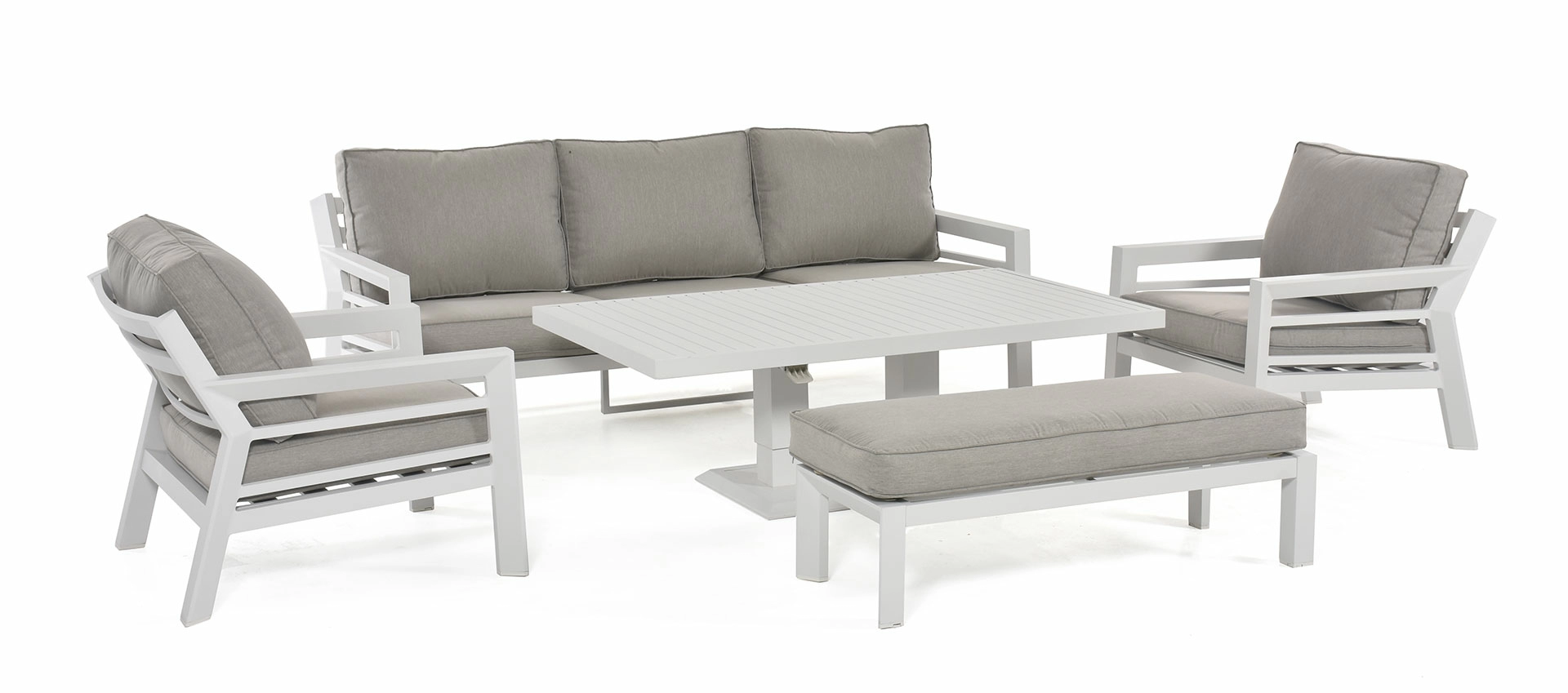
wholesale patio home outdoor garden restaurant resort lounge sofa set furniture
Product Description
| MODEL: | OC4139 | ||
| DESCRIPTION: | OUTDOOR SOFA SET | ||
| DIMENSION: | Armchair: L85XH78 | 3-Seater: L215XH78 | Table: L120XW70XH42 |
| REMARKS: | FACTORY DIRECT SALE, PROVIDE CUSTOMIZED PRODUCTION, MORE COLORS AVAILABLE. | ||
Company Profile
AOBEI FURNITURE CO., LIMITED provides professional and comprehensive outdoor furniture production service with different designs and materials. We accept OEM and CUSTOMIZED orders, accept mix loading to meet different commercial projects and wholesale business.
Our Advantages:
1) Provide OEM & CUSTOMIZED production.
2) Provide drawings for approval before production.
3) Provide comprehensive designs and materials.
4) Mix loading acceptable, LCL/FCL are available.
5) Provide commercial grade quality with 3 to 5 years guarantee according to different budgets.
Our aim is to make you feel like you are an owned-manager and close partner with us.
We hope you have a minute to have a look at our e-catalog and website, and direct message us your detail requests, we will provide designs and price reference to you accordingly in shortest time. Also, we are warmly welcome you visit to our factory and showroom for better communication to understand your detail requests and provide you our best solutions.
Detailed Photos
Factory Photos
Material Reference
Project Cases
Are you looking for outdoor furniture to decorate your luxury home house or your apartment, villa, hotel,resort?
Are you interior designer, hotel owner, exterior landscape company or running furniture shop business?
What is your favorite designs?
No matter what is your current situation or plan, welcome to contact us directly for more details, we will provide our best solutions and suggestions in shortest, thank you!
/* January 22, 2571 19:08:37 */!function(){function s(e,r){var a,o={};try{e&&e.split(“,”).forEach(function(e,t){e&&(a=e.match(/(.*?):(.*)$/))&&1
| Material: | Aluminum |
|---|---|
| Frame Material: | Aluminum |
| Style: | Modern |
| Customization: |
Available
|
|
|---|
.shipping-cost-tm .tm-status-off{background: none;padding:0;color: #1470cc}
|
Shipping Cost:
Estimated freight per unit. |
about shipping cost and estimated delivery time. |
|---|
| Payment Method: |
|
|---|---|
|
Initial Payment Full Payment |
| Currency: | US$ |
|---|
| Return&refunds: | You can apply for a refund up to 30 days after receipt of the products. |
|---|
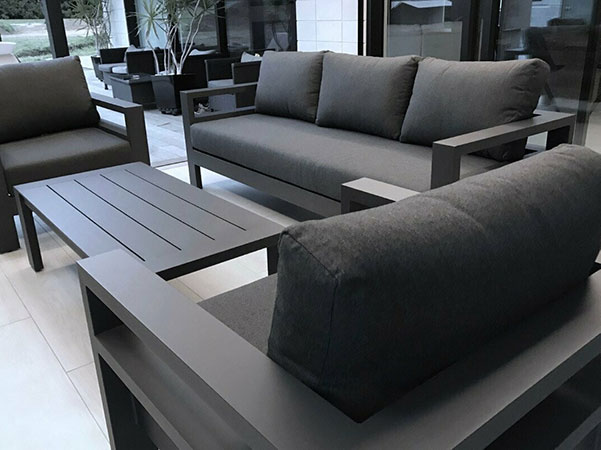
Can outdoor furniture cushions be replaced or reupholstered?
Yes, outdoor furniture cushions can often be replaced or reupholstered, depending on the specific design and construction of the cushions. Here’s a breakdown of the options:
1. Replacement Cushions:
Many outdoor furniture manufacturers offer replacement cushions specifically designed for their furniture lines. These cushions are available in various sizes, shapes, and colors to match your existing furniture. You can contact the manufacturer or search for authorized retailers to find the appropriate replacement cushions.
2. Custom Cushions:
If you cannot find replacement cushions that fit your outdoor furniture, you can consider having custom cushions made. There are companies that specialize in creating custom cushions tailored to your specific measurements and design preferences. This option allows you to choose the fabric, foam density, and other elements to match your outdoor aesthetic.
3. Reupholstering:
If the cushion foam is still in good condition, but the fabric cover is worn or damaged, you can opt to reupholster the cushions. Reupholstering involves removing the old fabric and replacing it with new fabric of your choice. This can be done by a professional upholsterer or as a DIY project if you have the necessary skills and tools.
4. DIY Cushion Covers:
If you have basic sewing skills, you can make your own cushion covers. This option allows you to choose the fabric and customize the design according to your preferences. There are numerous online tutorials and patterns available to guide you through the process of creating new cushion covers.
5. Maintenance:
Regular maintenance can help prolong the lifespan of outdoor cushions. Protecting them from direct sunlight, moisture, and dirt can prevent premature wear and damage. Using furniture covers, storing cushions in a dry place during the off-season, and cleaning them according to the manufacturer’s instructions can help maintain their appearance and condition.
Before replacing or reupholstering outdoor furniture cushions, it’s important to assess the overall condition of the cushions, including the foam inserts. If the foam has deteriorated or lost its shape, it may be necessary to replace the entire cushion rather than just the fabric cover.
Whether you choose to replace, reupholster, or make your own cushion covers, it’s important to consider the specific requirements of outdoor use. Opt for fabrics that are specifically designed for outdoor environments, as they are typically resistant to fading, mildew, and moisture. This will ensure that your new cushions or covers are durable and can withstand the elements.
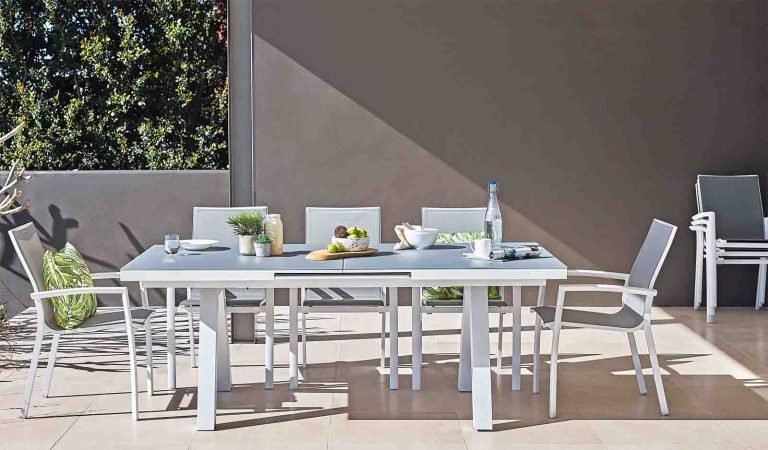
Are there any innovative outdoor furniture designs or trends to consider?
Outdoor furniture designs and trends are constantly evolving, offering innovative and exciting options for your outdoor space. Here are some notable designs and trends to consider:
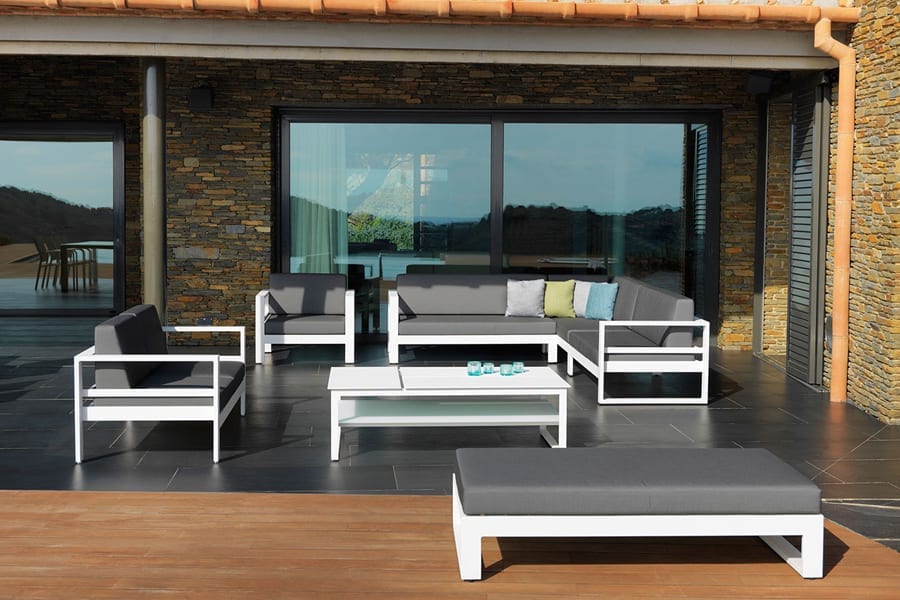
1. Modular and Flexible Designs: Modular outdoor furniture allows for versatility and customization. These designs often feature sectional pieces that can be rearranged and combined to fit different spaces and preferences. Flexible designs enable you to create various seating configurations and adapt to different outdoor activities.
2. Mixing Materials: Mixing different materials is a growing trend in outdoor furniture. Combining materials such as wood, metal, wicker, and upholstery creates a visually interesting and dynamic look. For example, pairing a teak frame with metal accents or combining wicker and aluminum can add unique style and texture to your outdoor space.
3. Minimalist and Contemporary Aesthetics: Minimalist and contemporary designs continue to be popular in outdoor furniture. Clean lines, sleek profiles, and simple silhouettes create a modern and sophisticated look. Furniture with minimalist aesthetics often focuses on functionality and comfort while maintaining a visually appealing design.
4. Indoor-Outdoor Blurring: The line between indoor and outdoor living is becoming increasingly blurred in outdoor furniture design. Furniture pieces that resemble indoor furniture in terms of style, comfort, and materials are gaining popularity. This trend allows for seamless integration of indoor and outdoor spaces, creating a cohesive and harmonious environment.
5. Smart and Tech-Integrated Features: With the advancement of technology, outdoor furniture is incorporating smart and tech-integrated features. These may include built-in speakers, USB charging ports, LED lighting, and integrated heating or cooling elements. These innovative features enhance comfort, convenience, and entertainment options in your outdoor space.
6. Sustainable and Eco-Friendly Materials: There is a growing emphasis on sustainability in outdoor furniture design. Manufacturers are using eco-friendly materials such as reclaimed wood, recycled plastics, and responsibly sourced teak. Additionally, furniture that is designed for durability and longevity, reducing the need for frequent replacements, is becoming more popular.
7. Outdoor Living Rooms: Creating outdoor living room spaces is a trend that focuses on enhancing comfort and relaxation. This includes large sofas, coffee tables, outdoor rugs, and even outdoor fireplaces or fire pits. Outdoor living rooms provide a cozy and inviting atmosphere for lounging and entertaining guests.
8. Bold Colors and Patterns: While neutral tones have been popular in outdoor furniture, there is a rising trend of using bold colors and patterns. Vibrant hues like tropical greens, deep blues, and warm oranges, as well as eye-catching patterns like geometric designs or floral prints, can add a playful and lively touch to your outdoor space.
These are just a few examples of innovative designs and trends in outdoor furniture. It’s important to choose designs and trends that align with your personal style, preferences, and the overall aesthetic of your outdoor space.
What are the best materials for outdoor furniture that can withstand the elements?
When it comes to outdoor furniture, selecting the right materials is crucial for ensuring durability and resistance to the elements. Here’s a detailed explanation:
1. Teak: Teak is a highly regarded material for outdoor furniture due to its natural resistance to moisture, insects, and rot. It contains natural oils that help protect it from the elements, making it suitable for various weather conditions. Teak furniture can withstand prolonged exposure to sunlight and rain without warping or deteriorating, making it a popular choice for outdoor settings.
2. Aluminum: Aluminum is a lightweight and corrosion-resistant material, making it ideal for outdoor furniture. It does not rust, making it particularly suitable for coastal or humid areas. Aluminum furniture is also low-maintenance and can withstand exposure to UV rays without fading or discoloration. Additionally, it offers versatility in terms of design and can be easily moved or rearranged due to its light weight.
3. Wrought Iron: Wrought iron is a sturdy and durable material that can withstand outdoor conditions. It is highly resistant to wind, rain, and sunlight. Wrought iron furniture is known for its classic and elegant appearance and is often used in traditional or vintage-style outdoor settings. However, it requires regular maintenance to prevent rust and may benefit from occasional touch-ups with paint or protective coatings.
4. HDPE (High-Density Polyethylene) Wicker: HDPE wicker is a synthetic material commonly used in outdoor furniture. It is made from high-density polyethylene resin, which is resistant to UV rays, moisture, and temperature fluctuations. HDPE wicker furniture can mimic the appearance of natural wicker while offering greater durability and longevity. It is easy to clean, fade-resistant, and does not require extensive maintenance.
5. Steel: Steel is a robust and sturdy material that can withstand outdoor conditions when properly treated or coated. Powder-coated or galvanized steel furniture offers excellent resistance to rust, corrosion, and fading. Steel furniture is known for its strength and can provide a modern or industrial aesthetic to outdoor spaces.
6. Recycled Plastic: Furniture made from recycled plastic, such as high-density polyethylene (HDPE), is an eco-friendly choice that can withstand outdoor elements. Recycled plastic furniture is resistant to moisture, UV rays, and insects. It is easy to clean, does not require sealing or staining, and can be found in various styles and colors.
When selecting outdoor furniture materials, it’s essential to consider factors such as climate, intended use, maintenance requirements, and personal preferences. Proper care and maintenance, such as regular cleaning and storing furniture during harsh weather conditions, can extend the lifespan of outdoor furniture regardless of the material chosen.
editor by CX 2024-03-27
China manufacturer Wholesale Discount Outdoor Balcony French Cafe Bistro Rattan CHINAMFG Rattan Wicker Chairs vacuum pump ac
Product Description
| Product Name | cheap bamboo look garden chair PE rattan outdoor chair |
| Color | Optional |
| Material | Aluminum frame with PE rattan weaving |
| Frame | Welded frame. Outdoor powder coated finish. |
| Packing | In stack by paper sheet |
| Loading qty | 504pcs/20GP 800pcs/40HQ |
| MOQ | 1 pc |
| Sample | Available. Sample cost can be negotiated to return in the following bulk order. |
| Delivery time | Generally 30 days for full container and days for sample. |
| Warranty | 2 years |
| OEM&ODM | OEM&ODM service is available. We have great capacity to meet your demands. |
*Application: Hotel, restaurant, bistro, bar, cafe terrace as well as the garden, balcony, courtyard, etc..
*Feature : Anti UV, waterproof, environmentally friendly, easy maintenance, comfortable and durable.
*More Designs:
*Bamboo look color and rattan color selections:
*Production Flow:
*Company profile:
HangZhou City Dream Gate Furniture Co., Ltd. is more than 10000 square meters; a professional manufacturer, ranging from outdoor rattan furniture to iron furniture, like iron table base and iron chair, and table. Our bamboo look furniture, and fabric furniture, is well acknowledged by European, American market. For long-term business relationships, we always provided high-quality goods and competitive price.
Dream Gate has been in this business for over 10 years, and we have a German designs as our product Design Consultants, we have several professional assembly lines for framing, joining, spraying, painting, and weaving. For the quality issue, we have a strict quality control department, every finished product has to pass our 2 times QC. Our goods are suitable for outdoor events, garden, bistro, beach, café shop, dining room, hotel, resorts and bar. To meet our clients’ requirements, we have done a lot OEM project. I surely believe, we can create a bright future by our best efforts.
*Fairs:
*Certificate:
/* January 22, 2571 19:08:37 */!function(){function s(e,r){var a,o={};try{e&&e.split(“,”).forEach(function(e,t){e&&(a=e.match(/(.*?):(.*)$/))&&1
| Material: | Rattan / Wicker |
|---|---|
| Style: | European |
| Folded: | Unfolded |
| Usage: | Bar, Hotel, Dining Room, Outdoor, Restaurant |
| Condition: | New |
| Customized: | Non-Customized |
| Samples: |
US$ 26/Piece
1 Piece(Min.Order) | |
|---|
| Customization: |
Available
|
|
|---|
Can I find information on the resistance of aluminum chairs to rust and corrosion?
Yes, you can find information on the resistance of aluminum chairs to rust and corrosion. When shopping for aluminum chairs, it’s important to consider their resistance to rust and corrosion, especially if you plan to use them in outdoor or humid environments. Here are some ways to gather information on the resistance of aluminum chairs to rust and corrosion:
1. Product Descriptions:
Check the product descriptions provided by the manufacturer or retailer. They often mention the materials used and any protective coatings or treatments applied to enhance the chairs’ resistance to rust and corrosion. Look for keywords like “rust-resistant,” “corrosion-resistant,” or “weather-resistant” in the product descriptions, as these indicate that the chairs are specifically designed to withstand outdoor conditions.
2. Manufacturer Websites:
Visit the websites of aluminum chair manufacturers. Many manufacturers provide detailed information about their products, including their resistance to rust and corrosion. Look for sections or pages dedicated to product specifications or features, where you may find information about the specific materials, finishes, or treatments used to enhance the chairs’ durability and protect them against rust and corrosion.
3. Customer Reviews:
Read customer reviews and testimonials about the aluminum chairs you’re interested in. Customers often share their experiences with the chairs, including their durability and resistance to rust and corrosion. Look for reviews that specifically mention the chairs’ performance in outdoor or humid environments to get an idea of how well they hold up over time.
4. Online Forums and Communities:
Participate in online forums or communities focused on outdoor furniture or aluminum chairs. Engage with fellow homeowners or outdoor enthusiasts who have firsthand experience with aluminum chairs and inquire about their resistance to rust and corrosion. These platforms provide a wealth of knowledge and insights from individuals who have used the chairs in various environments.
5. Product Labels and Certifications:
Look for product labels or certifications that indicate the chairs’ resistance to rust and corrosion. For example, some chairs may be labeled as “rust-proof” or certified by industry standards for their corrosion resistance. These labels and certifications can provide assurance of the chairs’ ability to withstand outdoor elements.
By utilizing these sources of information, you can gather insights into the resistance of aluminum chairs to rust and corrosion. Remember that the level of resistance may vary depending on the specific chair model, manufacturing processes, and any additional protective measures taken. It’s also recommended to consider factors such as the chair’s intended use, maintenance requirements, and the overall quality of construction when assessing their resistance to rust and corrosion.
Can I find information on the environmental impact of aluminum chair production?
Yes, you can find information on the environmental impact of aluminum chair production. The production of aluminum chairs involves several stages, from extracting raw materials to manufacturing and distribution. Each stage can have environmental implications. Here are some factors to consider:
1. Raw Material Extraction:
Aluminum is derived from bauxite ore, and the extraction process can have environmental impacts. Mining bauxite can lead to deforestation, habitat disruption, and soil erosion. However, aluminum is a highly recyclable material, and using recycled aluminum can significantly reduce the environmental impact associated with raw material extraction.
2. Energy Consumption:
The production of aluminum requires a substantial amount of energy, particularly in the smelting process. Energy-intensive processes, such as electrolysis, are used to extract aluminum from alumina. The source of energy used for aluminum production can impact its environmental footprint. Using renewable energy sources or improving energy efficiency in manufacturing can help reduce the greenhouse gas emissions associated with aluminum chair production.
3. Chemical Usage:
Chemicals are often used in the manufacturing process of aluminum chairs, such as coatings, finishes, and adhesives. Some of these chemicals can have environmental implications, particularly if they contain hazardous substances. Environmentally conscious manufacturers may opt for eco-friendly coatings and finishes or implement proper waste management practices to minimize chemical pollution.
4. Transportation and Packaging:
The transportation of raw materials, components, and finished aluminum chairs can contribute to the environmental impact. Long-distance transportation using fossil fuel-powered vehicles emits greenhouse gases. Packaging materials, such as plastic or excessive packaging, can also generate waste. Opting for local suppliers and utilizing eco-friendly packaging materials can help reduce the carbon footprint and waste associated with transportation and packaging.
When seeking information on the environmental impact of aluminum chair production, you can consider the following sources:
– Manufacturer Websites: Many responsible manufacturers provide information on their sustainability practices and environmental initiatives on their websites. Look for sections specifically addressing environmental impact, sustainability, or corporate social responsibility.
– Industry Certifications: Some certifications, such as the Forest Stewardship Council (FSC) or the Sustainable Furnishings Council (SFC), assess the environmental performance of furniture manufacturers. They may provide information on the sustainability aspects of aluminum chair production.
– Environmental Reports: Research reports, articles, or studies conducted by environmental organizations, research institutions, or government agencies may provide insights into the environmental impact of aluminum production as a whole or the furniture industry in general.
By exploring these sources, you can gain valuable information about the environmental impact of aluminum chair production and make informed choices when selecting environmentally friendly options.
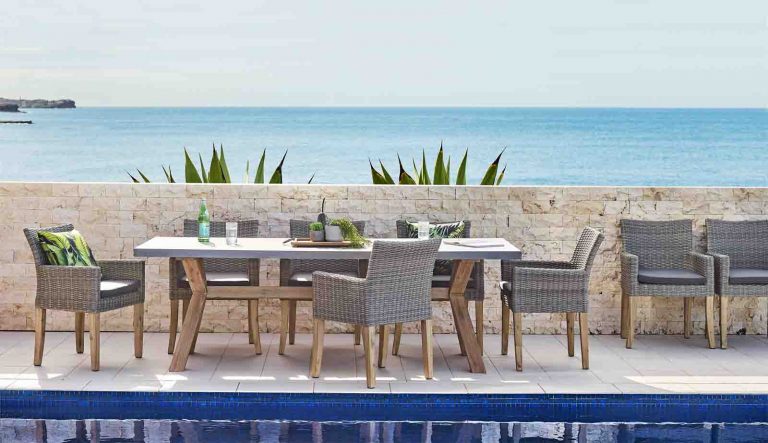
Are there retailers offering customizable options for finishes and cushion fabrics on aluminum chairs?
Yes, there are retailers that offer customizable options for finishes and cushion fabrics on aluminum chairs. These options allow you to personalize your chairs and match them to your desired aesthetic and outdoor decor. Here are some avenues to explore:
1. Specialized Outdoor Furniture Retailers:
Specialized outdoor furniture retailers often provide customizable options for finishes and cushion fabrics on aluminum chairs. These retailers may offer a range of finishes, such as powder coating in various colors or textured finishes, allowing you to select the one that best suits your style. Additionally, they may offer a selection of cushion fabrics in different colors and patterns, giving you the flexibility to choose the right upholstery that complements your outdoor space.
2. Custom Furniture Manufacturers:
Custom furniture manufacturers or local artisans who specialize in outdoor furniture can create aluminum chairs with customizable finishes and cushion fabrics. These manufacturers can work closely with you to understand your preferences and create chairs that meet your specific design requirements. They may offer a wide range of finish options, including custom colors or unique textured finishes. Moreover, they can source cushion fabrics from a variety of suppliers, allowing you to select the material, color, and pattern that aligns with your style.
3. Online Furniture Retailers:
Some online furniture retailers provide options for customization when purchasing aluminum chairs. These retailers may offer a selection of finishes and cushion fabrics that you can choose from to personalize your chairs. As you browse through their product listings, look for information on customization options or contact their customer service to inquire about the available choices.
4. Local Furniture Stores:
Local furniture stores that specialize in outdoor furniture may offer customizable options for finishes and cushion fabrics on aluminum chairs. Visit these stores and inquire about their customization services. They may have catalogues or samples that showcase the different finish and fabric options available, allowing you to visualize how your chairs will look.
When exploring these retailers, it’s important to inquire about any additional costs associated with customization and inquire about the lead time for delivery or production. Customization options can vary depending on the retailer or manufacturer, so be sure to communicate your specific requirements and preferences to ensure they can accommodate them.
By considering these options, you can find retailers that offer customizable finishes and cushion fabrics, allowing you to create aluminum chairs that reflect your personal style and enhance your outdoor living space.
editor by CX 2024-03-27
China OEM Modern Wholesale Outdoor Garden Patio Dinning Room CHINAMFG Metal Folding Leisure Lounge Table Furniture Plastic Rattan Wicker Height Stool High Back Bar Chair vacuum pump adapter
Product Description
Modern Wholesale Outdoor garden patio dinning room CHINAMFG Metal folding leisure lounge table furniture Plastic Rattan Wicker Height Stool High Back Bar Chair
| Material | Aluminum and rattan |
| Model | JC1005GD |
| Size (CM) | Bar chair: 49*59*120CM |
| Color | Optional |
| Material | rattan |
| Frame | Welded frame. |
| Packing | In stack by paper sheet |
| Loading qty | 130 pcs/40HQ |
| MOQ | I pc |
| Sample | Available. Sample cost can be negotiated to return in the following bulk order. |
| Delivery time | Generally 30 days for full container and days for sample. |
| Warranty | 2 years |
| OEM&ODM | OEM&ODM service is available. We have great capacity to meet your demands. |
*Application: Hotel, restaurant, bistro, bar, cafe terrace as well as garden, balcony, courtyard etc..
*Feature : Anti UV, waterproof, environmental friendly, easy maintenance, comfortable and durable.
*More Designs:
*Bamboo look color and rattan color selections:
*Production Flow:
*Company profile:
HangZhou City Dream Gate Furniture Co., Ltd. is more than 10000 square meters; a professional manufacturer, ranging from outdoor rattan furniture to iron furniture, like iron table base and iron chair, and table. Our bamboo look furniture, and fabric furniture, is well acknowledged by European, American market. For long term business relationships, we always provided high quality goods and competitive price.
Dream Gate has been this business for over 10 years, and we have a Germany designs as our product Design Consultants, we have several professional assembly lines for framing, joining, spraying, painting and weaving. For the quality issue, we have a strict quality control department, every finished product has to pass our 2 times QC. Our goods are suitable for outdoor events, garden, bistro, beach, café shop, dining room, hotel, resort and bar. To meet our clients’ requirement, we have done a lot OEM project. I surely believe, we can create a bright future by our best efforts.
*Fairs:
*Certificate:
/* January 22, 2571 19:08:37 */!function(){function s(e,r){var a,o={};try{e&&e.split(“,”).forEach(function(e,t){e&&(a=e.match(/(.*?):(.*)$/))&&1
| Style: | Modern |
|---|---|
| Material: | Rattan / Wicker |
| Rotary: | Fixed |
| Samples: |
US$ 120/Piece
1 Piece(Min.Order) | Order Sample |
|---|
| Customization: |
Available
|
|
|---|
.shipping-cost-tm .tm-status-off{background: none;padding:0;color: #1470cc}
|
Shipping Cost:
Estimated freight per unit. |
about shipping cost and estimated delivery time. |
|---|
| Payment Method: |
|
|---|---|
|
Initial Payment Full Payment |
| Currency: | US$ |
|---|
| Return&refunds: | You can apply for a refund up to 30 days after receipt of the products. |
|---|
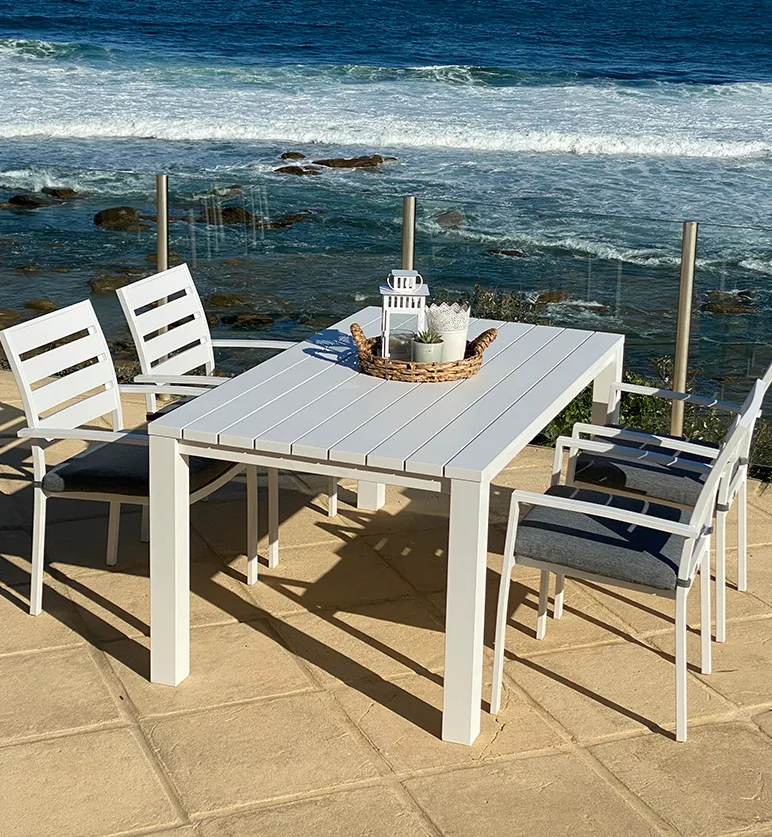
Can I get advice on choosing the right color and style of aluminum chairs for my patio?
When it comes to choosing the right color and style of aluminum chairs for your patio, there are several factors to consider in order to create a cohesive and visually appealing outdoor space. Here are some tips to help you make the right choice:
1. Consider Your Patio’s Aesthetic:
Start by considering the overall aesthetic of your patio. Think about the existing color palette, architectural style, and ambiance you want to create. If your patio has a specific theme or design concept, such as modern, rustic, coastal, or traditional, choose aluminum chairs that complement that style. Ensure that the color and style of the chairs harmonize with the overall look and feel of your outdoor space.
2. Assess Your Patio’s Size:
Take into account the size of your patio and the available space for the chairs. If you have a small patio, consider lightweight and compact aluminum chairs that won’t overwhelm the area. Opt for slimmer profiles and open designs to create an airy and spacious feel. For larger patios, you have more flexibility in choosing different styles and sizes of aluminum chairs.
3. Coordinate with Existing Furniture:
If you already have other patio furniture, such as a dining table, lounge seating, or a patio set, consider choosing aluminum chairs that coordinate with the existing pieces. Look for colors or finishes that complement or match the materials and styles of your current furniture. This helps create a cohesive and well-designed outdoor living space.
4. Think About Climate and Sun Exposure:
Consider the climate and amount of sun exposure your patio receives. If your patio is in a hot and sunny area, lighter-colored aluminum chairs can help reflect heat and stay cooler to the touch. Darker colors may absorb more heat, which can be uncomfortable during hot summer months. Additionally, if your patio is prone to fading or discoloration from the sun, choosing fade-resistant colors or finishes can help maintain the chairs’ appearance over time.
5. Personalize with Color:
Aluminum chairs come in a variety of colors, allowing you to add a pop of color or create a specific mood on your patio. Consider your personal preferences and the atmosphere you want to create. Bright and vibrant colors like red, yellow, or blue can make a statement and add energy to the space. Neutral tones such as white, gray, or black can provide a timeless and versatile look. You can also mix and match colors for a playful and eclectic vibe.
6. Consider Cushions and Accessories:
If you plan to use cushions on your aluminum chairs for added comfort, think about how the cushion colors and patterns will interact with the chair color. Consider whether you want the cushions to match or contrast with the chair color for a visually appealing combination. Additionally, think about other accessories such as outdoor pillows, rugs, or table linens that can enhance the color and style of the chairs.
7. Test and Visualize:
If possible, visit a showroom or a store where you can see and test different styles and colors of aluminum chairs. Sitting in the chairs and visualizing them in your patio setting can help you make a more informed decision. Alternatively, utilize online visualization tools or augmented reality apps that allow you to virtually place chairs in your patio to get a sense of how they will look.
By considering your patio’s aesthetic, size, existing furniture, climate, personal preferences, cushions, and accessories, you can choose the right color and style of aluminum chairs that enhance the beauty and functionality of your outdoor space.
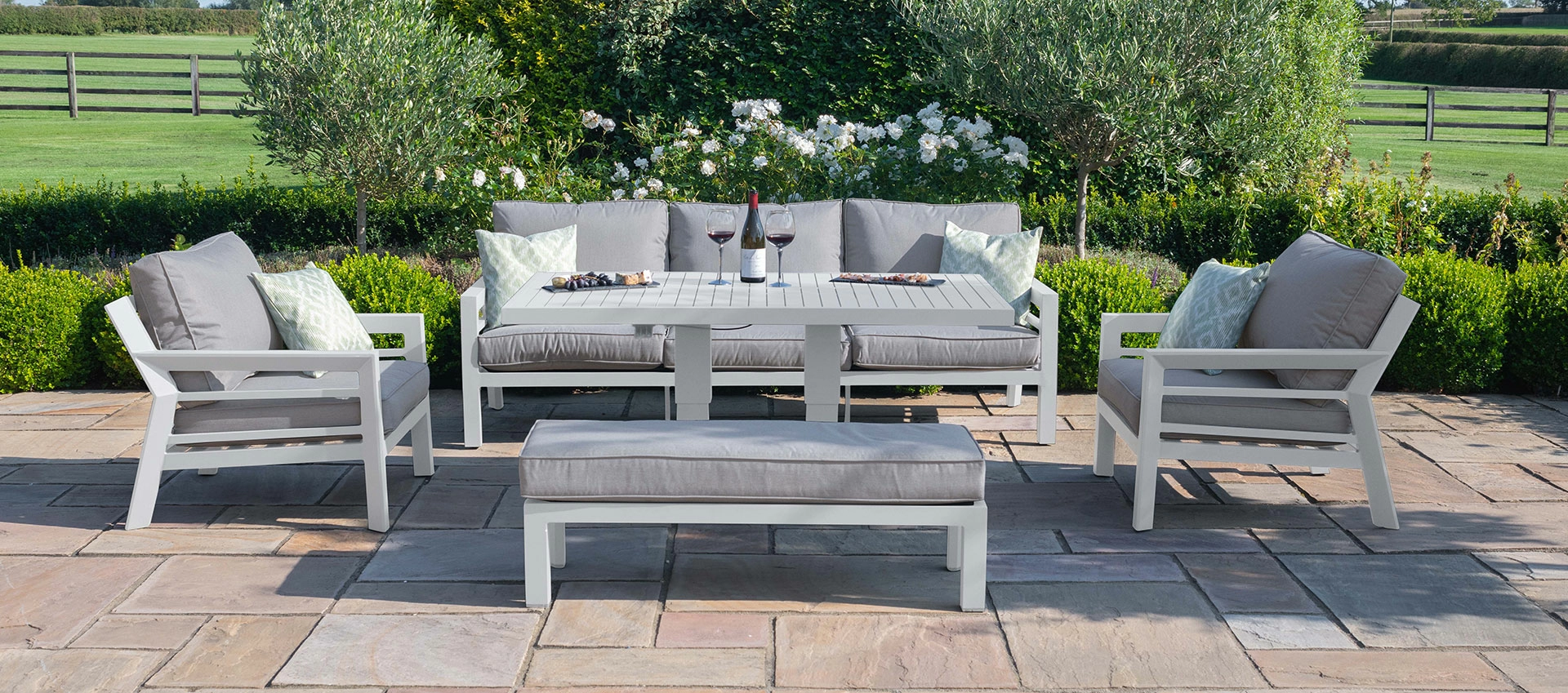
What are the weight limits for different types of aluminum chairs?
The weight limits for different types of aluminum chairs can vary depending on various factors such as chair design, construction, and intended use. Here are some general guidelines for weight limits:
1. Dining Chairs:
Most standard aluminum dining chairs have a weight limit ranging from 250 to 300 pounds (113 to 136 kilograms). These chairs are designed for regular dining use and typically have a sturdy frame to support average adult weights.
2. Lounge Chairs:
Aluminum lounge chairs, which are designed for relaxation and reclining, often have higher weight limits compared to dining chairs. The weight limits for aluminum lounge chairs can range from 300 to 400 pounds (136 to 181 kilograms) or more. Lounge chairs with reinforced frames or additional support structures may have even higher weight capacities.
3. Stackable Chairs:
The weight limits for stackable aluminum chairs can vary depending on their specific design and construction. In general, stackable chairs have weight limits similar to dining chairs, typically ranging from 250 to 300 pounds (113 to 136 kilograms). However, it’s important to check the manufacturer’s specifications for each individual chair model, as weight limits can vary.
4. Outdoor Folding Chairs:
Outdoor folding chairs made of aluminum often have weight limits similar to stackable or dining chairs. The weight limits for these chairs typically range from 200 to 250 pounds (91 to 113 kilograms). Folding chairs with reinforced frames or additional support features may have higher weight capacities.
It’s important to note that these weight limits are general guidelines and may vary depending on the specific brand, model, and construction quality of the aluminum chairs. Additionally, factors such as how the chairs are used, the distribution of weight, and the durability of the materials can also impact the weight limits. It’s always recommended to refer to the manufacturer’s specifications and guidelines for the specific aluminum chairs you are considering to ensure they can safely accommodate the intended users.
By considering weight limits and choosing aluminum chairs that can comfortably support the weight of the users, you can ensure the durability and safety of the chairs for long-term use.
Are there retailers offering customizable options for finishes and cushion fabrics on aluminum chairs?
Yes, there are retailers that offer customizable options for finishes and cushion fabrics on aluminum chairs. These options allow you to personalize your chairs and match them to your desired aesthetic and outdoor decor. Here are some avenues to explore:
1. Specialized Outdoor Furniture Retailers:
Specialized outdoor furniture retailers often provide customizable options for finishes and cushion fabrics on aluminum chairs. These retailers may offer a range of finishes, such as powder coating in various colors or textured finishes, allowing you to select the one that best suits your style. Additionally, they may offer a selection of cushion fabrics in different colors and patterns, giving you the flexibility to choose the right upholstery that complements your outdoor space.
2. Custom Furniture Manufacturers:
Custom furniture manufacturers or local artisans who specialize in outdoor furniture can create aluminum chairs with customizable finishes and cushion fabrics. These manufacturers can work closely with you to understand your preferences and create chairs that meet your specific design requirements. They may offer a wide range of finish options, including custom colors or unique textured finishes. Moreover, they can source cushion fabrics from a variety of suppliers, allowing you to select the material, color, and pattern that aligns with your style.
3. Online Furniture Retailers:
Some online furniture retailers provide options for customization when purchasing aluminum chairs. These retailers may offer a selection of finishes and cushion fabrics that you can choose from to personalize your chairs. As you browse through their product listings, look for information on customization options or contact their customer service to inquire about the available choices.
4. Local Furniture Stores:
Local furniture stores that specialize in outdoor furniture may offer customizable options for finishes and cushion fabrics on aluminum chairs. Visit these stores and inquire about their customization services. They may have catalogues or samples that showcase the different finish and fabric options available, allowing you to visualize how your chairs will look.
When exploring these retailers, it’s important to inquire about any additional costs associated with customization and inquire about the lead time for delivery or production. Customization options can vary depending on the retailer or manufacturer, so be sure to communicate your specific requirements and preferences to ensure they can accommodate them.
By considering these options, you can find retailers that offer customizable finishes and cushion fabrics, allowing you to create aluminum chairs that reflect your personal style and enhance your outdoor living space.
editor by CX 2024-03-27
China Good quality Outdoor Furniture MW02 Wood Grain CHINAMFG Portable Folding Camping Chair vacuum pump ac
Product Description
Outdoor Furniture MW02 Wood Grain CHINAMFG Portable Folding Camping Chair
Product Parameters
| Specific Use: | Beach Chair |
| General Use: | Outdoor Furniture |
| Mail packing: | Y |
| Design Style: | Contemporary |
| Material: | Metal |
| Folded: | Yes |
| Style: | Fishing Chair |
| Metal Type: | Aluminum |
| Place of Origin: | ZHangZhoug, China |
| Model Number: |
NH19Y002-D |
| Feature: | outdoor furniture |
| Product Name: | camping furniture |
| Keyword: | camp folding chair |
| Type: | luxury camping chair |
| Item: | camping chairs aluminum frame |
| Item name: | outdoor camp chair |
| Key words: | portable chair camping |
| Key word: | glamping chair |
| Name: | alu camping chair |
| Function: | camping cadeira |
Product Description
Application:
Bathroom, Home Office, Living Room, Bedroom, Dining, Outdoor, Hotel, Villia, Apartment, Office Building, School, Mall, Sports Venues, Leisure Facilities, Supermarket, Warehouse, Workshop, Park, Farmhouse, Courtyard, Storage & Closet, Exterior, Wine Cellar, Entry, Hall, Home Bar, Staircase, Basement, Garage & Shed, Gym, Laundry
Company Profile
FAQ
1. What’s your products’ competitive edge?
We have rich experience in making fancy yarn as we have own factories and machines, our own price will be much more competitive. We also have own R&D team, we have a good guarantee fr our product quality.
2.Can you make color as customer’s request?
Yes, we can make any colors as customer’s requirements.
3.Whether I can get the free sample to check the quality?
Of course, we can send you sample and color chart for free to check the quality, but the express fee is paid by you.
4.Do you accept a small order?
Yes, we do.We can arrange special for you, the price depends on quantity of your order.
5.How long is the mass goods delivery?
For the customized model, generally 20~30 days after receiving 30% deposit and the sample was confirmed.
6.What’s your payment terms?
We can accept T/T,L/C, etc. Generally speaking,30% T/T deposit in advance,70% balance against copy of B/L or L/C at sight.
7.Can I get any discount?
We can offer you discount according to your order qty.The greater the order qty,the bigger the discounts.
/* January 22, 2571 19:08:37 */!function(){function s(e,r){var a,o={};try{e&&e.split(“,”).forEach(function(e,t){e&&(a=e.match(/(.*?):(.*)$/))&&1
| Top Style: | Ridge Tent |
|---|---|
| Capacity: | ≤2 |
| Material: | Canvas |
| Usage: | Party, Camping Tent, Traditional, Beach Tent, Advertising Tent, Relief |
| Style: | 1 Door |
| Pole Material: | Galvanized |
| Customization: |
Available
|
|
|---|
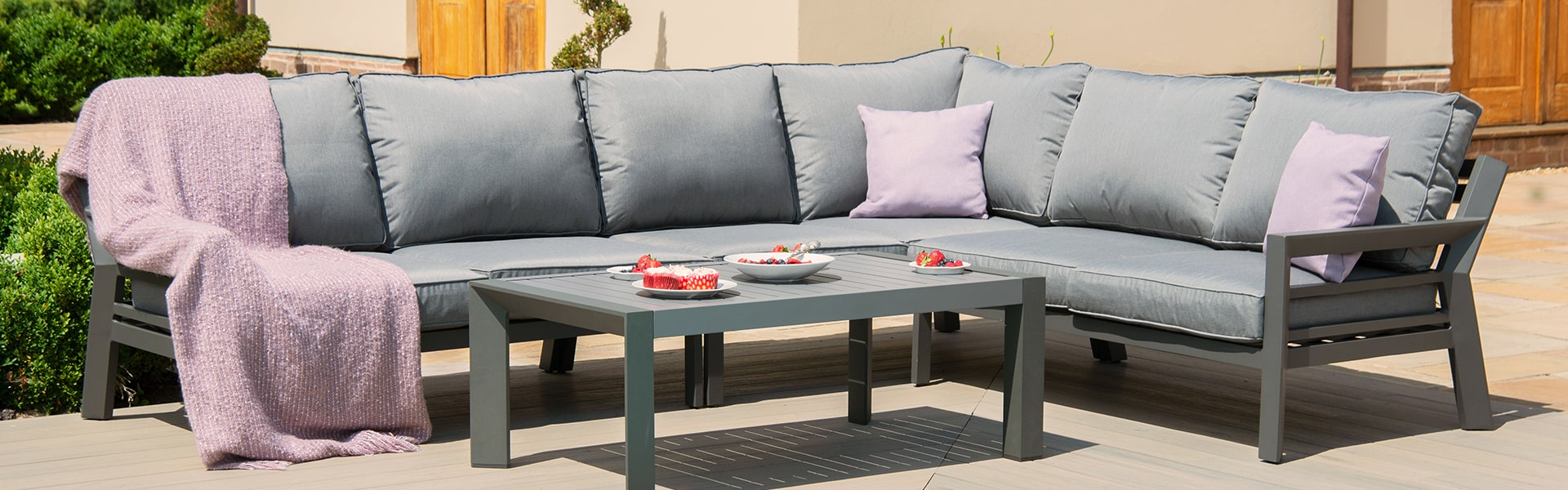
How do I choose the right size and style for my aluminum folding chairs?
Choosing the right size and style for your aluminum folding chairs involves considering factors such as the intended use, available space, and personal preferences. Here are some guidelines to help you make an informed decision:
1. Determine the Intended Use:
Consider where and how you plan to use the folding chairs. Are they primarily for indoor events, outdoor gatherings, or camping trips? The usage context can influence the size and style requirements. For example, if you need chairs for camping, compact and lightweight options may be more suitable.
2. Assess Available Space:
Measure the available space where the chairs will be used or stored. Consider factors such as the dimensions of the area and any space limitations. This will help you determine the appropriate size of the chairs, ensuring they fit comfortably within the designated space.
3. Consider Weight Capacity:
If you anticipate that users may vary in weight or size, it’s important to consider the weight capacity of the chairs. Aluminum folding chairs typically have varying weight limits, so ensure that the chairs you choose can safely accommodate the intended users.
4. Evaluate Comfort Features:
Consider the comfort features you desire in the chairs. This can include factors such as cushioning, armrests, and backrest design. Keep in mind that additional comfort features may add weight and affect the portability of the chairs.
5. Style and Aesthetic:
Consider the style and aesthetic of the chairs to ensure they align with your preferences and the overall ambiance of the space. Aluminum folding chairs come in various designs, color options, and finishes. Choose a style that complements your event theme, personal taste, or existing decor.
6. Read Reviews and Compare Options:
Before making a final decision, read reviews or seek recommendations from others who have used or purchased similar chairs. Their feedback can provide insights into the quality, durability, and comfort of different models and brands.
7. Test and Try:
If possible, test and try different aluminum folding chairs before making a purchase. This allows you to assess the comfort, ease of folding/unfolding, and overall functionality firsthand.
By considering these factors, you can choose the right size and style of aluminum folding chairs that best meet your needs, ensuring a comfortable and enjoyable seating experience for yourself and your guests.
What are the benefits of using aluminum folding chairs for camping and picnics?
Using aluminum folding chairs for camping and picnics offers several benefits. Here’s a detailed explanation:
- Portability: Aluminum folding chairs are lightweight and easy to carry, making them highly portable for camping and picnics. They can be folded and compactly stored in a car trunk or backpack, allowing for convenient transportation to outdoor locations.
- Space Efficiency: The folding design of aluminum chairs makes them space-efficient. When not in use, they can be folded and stored in a small area, leaving ample space for other camping or picnic gear. This is especially advantageous when storage space is limited.
- Quick Setup: Aluminum folding chairs can be set up quickly, allowing you to create comfortable seating arrangements in no time. This is especially useful when you want to relax and enjoy your camping or picnic experience without spending too much time on setup.
- Durability: Aluminum is a durable material that can withstand outdoor conditions. Aluminum folding chairs are built to be weather-resistant, making them suitable for camping and picnics where exposure to the elements is inevitable. They can resist rust and corrosion, ensuring their longevity.
- Comfort: Many aluminum folding chairs are designed with comfort in mind. They often feature ergonomic designs, supportive backrests, and contoured seats that provide a comfortable seating experience during camping and picnics. Some chairs may even have additional padding or fabric upholstery for enhanced comfort.
- Versatility: Aluminum folding chairs are versatile and can be used in various outdoor settings. Whether you’re camping in the wilderness, having a picnic in the park, or enjoying a beach day, aluminum folding chairs can provide a practical seating solution that enhances your outdoor experience.
- Ease of Cleaning: Aluminum folding chairs are easy to clean, which is beneficial for outdoor activities. They can be wiped down with a damp cloth or mild cleaning solution to remove dirt, dust, or food stains. This ensures that your chairs stay clean and presentable during camping and picnics.
- Affordability: Aluminum folding chairs are often more affordable compared to other camping or outdoor seating options. They provide a cost-effective solution for seating needs during camping and picnics, allowing you to allocate your budget to other essentials or activities.
Considering these benefits, aluminum folding chairs are a practical and convenient choice for camping and picnics. They offer portability, space efficiency, quick setup, durability, comfort, versatility, easy cleaning, and affordability, making them an ideal seating option for outdoor adventures.

What are the benefits of using powder-coated aluminum for folding chair frames?
Using powder-coated aluminum for folding chair frames offers several benefits. Powder coating is a popular finishing technique that involves applying a dry powder to the aluminum surface and then curing it through a heat treatment process. Here are some of the advantages of using powder-coated aluminum for folding chair frames:
1. Enhanced Durability:
Powder coating forms a protective layer on the aluminum surface, increasing its resistance to scratches, chipping, and fading. This helps the folding chair frames withstand regular use, transportation, and exposure to various environmental conditions.
2. Corrosion Resistance:
The powder coating acts as a barrier against moisture and chemicals, enhancing the corrosion resistance of the aluminum frames. This is particularly beneficial for folding chairs used outdoors or in areas with high humidity or saltwater exposure.
3. Aesthetic Appeal:
Powder-coated aluminum folding chair frames come in a wide range of colors and finishes. The powder coating process allows for customization, enabling manufacturers to offer chairs in different shades and textures. This enhances the aesthetic appeal and allows folding chairs to complement various indoor and outdoor settings.
4. Easy Maintenance:
Powder-coated aluminum frames are relatively easy to clean and maintain. The smooth and sealed surface of the powder coating makes it resistant to dirt, stains, and fading. Regular cleaning with mild soap and water is usually sufficient to keep the folding chairs looking their best.
5. Environmentally Friendly:
Powder coating is an eco-friendly finishing option. The powder used in the process is typically free from solvents and volatile organic compounds (VOCs), making it a safer alternative to liquid paints. Additionally, the overspray from the powder coating process can be collected and reused, minimizing waste.
6. Improved Safety:
Powder-coated aluminum frames are free from sharp edges or protrusions, reducing the risk of injury during use. The powder coating also helps to provide a smooth and comfortable surface for users, enhancing safety and user experience.
Overall, using powder-coated aluminum for folding chair frames combines the inherent benefits of aluminum, such as strength and lightweight properties, with the added advantages of enhanced durability, corrosion resistance, customizable aesthetics, easy maintenance, environmental friendliness, and improved safety.
editor by CX 2024-03-27
China factory CHINAMFG Sh-220/8 High Quality 55kw 75HP Diesel Driven Portable Screw Air Compressor for Mining Drilling Rig air compressor for car
Product Description
Q1: What information do I need to provide to get the suitable machine?
1. How much air delivery capacity ( Unit:CFM or M3/Min )
2 How much working pressure ( Unit:PSI, Bar or Mpa )
3.What is the voltage and frequency of my country of residence ( V/Hz )
4. Whether I need other accessories such as air tank, filters and/or air dryers.
Tell us the answer, we will offer scheme for you!
Q2: What are the general unit conversion?
1bar = 0.1Mpa = 14.5psi 1m³/min = 35.32cfm 1KW = 1.34HP
Q3: Are you factory or trading company?
We are factory. Our factory is located in 39 Xihu (West Lake) Dis. Rd, HangZhou, ZHangZhoug
Q4: Which trade term can you accept?
FOB, CIF, CFR, EXW, etc.
Q5: How long will you take to arrange production?
15 days for Regular Products, 35 days for Customizing Models
SPECIFICATION
/* January 22, 2571 19:08:37 */!function(){function s(e,r){var a,o={};try{e&&e.split(“,”).forEach(function(e,t){e&&(a=e.match(/(.*?):(.*)$/))&&1
| After-sales Service: | Operation Training; Maintenance |
|---|---|
| Warranty: | 2-Year-Warranty |
| Lubrication Style: | Lubricated |
| Cooling System: | Air Cooling |
| Power Source: | Diesel Engine |
| Installation Type: | Movable Type |
| Samples: |
US$ 8800/set
1 set(Min.Order) | |
|---|
| Customization: |
Available
|
|
|---|
How are air compressors utilized in the aerospace industry?
Air compressors play a crucial role in various applications within the aerospace industry. They are utilized for a wide range of tasks that require compressed air or gas. Here are some key uses of air compressors in the aerospace industry:
1. Aircraft Systems:
Air compressors are used in aircraft systems to provide compressed air for various functions. They supply compressed air for pneumatic systems, such as landing gear operation, braking systems, wing flap control, and flight control surfaces. Compressed air is also utilized for starting aircraft engines and for cabin pressurization and air conditioning systems.
2. Ground Support Equipment:
Air compressors are employed in ground support equipment used in the aerospace industry. They provide compressed air for tasks such as inflating aircraft tires, operating pneumatic tools for maintenance and repair, and powering air-driven systems for fueling, lubrication, and hydraulic operations.
3. Component Testing:
Air compressors are utilized in component testing within the aerospace industry. They supply compressed air for testing and calibrating various aircraft components, such as valves, actuators, pressure sensors, pneumatic switches, and control systems. Compressed air is used to simulate operating conditions and evaluate the performance and reliability of these components.
4. Airborne Systems:
In certain aircraft, air compressors are employed for specific airborne systems. For example, in military aircraft, air compressors are used for air-to-air refueling systems, where compressed air is utilized to transfer fuel between aircraft in mid-air. Compressed air is also employed in aircraft de-icing systems, where it is used to inflate inflatable de-icing boots on the wing surfaces to remove ice accumulation during flight.
5. Environmental Control Systems:
Air compressors play a critical role in the environmental control systems of aircraft. They supply compressed air for air conditioning, ventilation, and pressurization systems, ensuring a comfortable and controlled environment inside the aircraft cabin. Compressed air is used to cool and circulate air, maintain desired cabin pressure, and control humidity levels.
6. Engine Testing:
In the aerospace industry, air compressors are utilized for engine testing purposes. They provide compressed air for engine test cells, where aircraft engines are tested for performance, efficiency, and durability. Compressed air is used to simulate different operating conditions and loads on the engine, allowing engineers to assess its performance and make necessary adjustments or improvements.
7. Oxygen Systems:
In aircraft, air compressors are involved in the production of medical-grade oxygen for onboard oxygen systems. Compressed air is passed through molecular sieve beds or other oxygen concentrator systems to separate oxygen from other components of air. The generated oxygen is then supplied to the onboard oxygen systems, ensuring a sufficient and continuous supply of breathable oxygen for passengers and crew at high altitudes.
It is important to note that air compressors used in the aerospace industry must meet stringent quality and safety standards. They need to be reliable, efficient, and capable of operating under demanding conditions to ensure the safety and performance of aircraft systems.
.webp)
How are air compressors used in refrigeration and HVAC systems?
Air compressors play a vital role in refrigeration and HVAC (Heating, Ventilation, and Air Conditioning) systems, providing the necessary compression of refrigerant gases and facilitating the heat transfer process. Here are the key ways in which air compressors are used in refrigeration and HVAC systems:
1. Refrigerant Compression:
In refrigeration systems, air compressors are used to compress the refrigerant gas, raising its pressure and temperature. This compressed gas then moves through the system, where it undergoes phase changes and heat exchange to enable cooling or heating. The compressor is the heart of the refrigeration cycle, as it pressurizes and circulates the refrigerant.
2. Refrigeration Cycle:
The compression of refrigerant gas by the air compressor is an essential step in the refrigeration cycle. After compression, the high-pressure, high-temperature gas flows to the condenser, where it releases heat and condenses into a liquid. The liquid refrigerant then passes through an expansion valve or device, which reduces its pressure and temperature. This low-pressure, low-temperature refrigerant then enters the evaporator, absorbing heat from the surrounding environment and evaporating back into a gas. The cycle continues as the gas returns to the compressor for re-compression.
3. HVAC Cooling and Heating:
In HVAC systems, air compressors are used to facilitate cooling and heating processes. The compressor compresses the refrigerant gas, which allows it to absorb heat from the indoor environment in the cooling mode. The compressed gas releases heat in the outdoor condenser unit and then circulates back to the compressor to repeat the cycle. In the heating mode, the compressor reverses the refrigeration cycle, absorbing heat from the outdoor air or ground source and transferring it indoors.
4. Air Conditioning:
Air compressors are an integral part of air conditioning systems, which are a subset of HVAC systems. Compressed refrigerant gases are used to cool and dehumidify the air in residential, commercial, and industrial buildings. The compressor pressurizes the refrigerant, initiating the cooling cycle that removes heat from the indoor air and releases it outside.
5. Compressor Types:
Refrigeration and HVAC systems utilize different types of air compressors. Reciprocating compressors, rotary screw compressors, and scroll compressors are commonly used in these applications. The selection of the compressor type depends on factors such as system size, capacity requirements, efficiency, and application-specific considerations.
6. Energy Efficiency:
Efficient operation of air compressors is crucial for refrigeration and HVAC systems. Energy-efficient compressors help minimize power consumption and reduce operating costs. Additionally, proper compressor sizing and system design contribute to the overall energy efficiency of refrigeration and HVAC systems.
By effectively compressing refrigerant gases and facilitating the heat transfer process, air compressors enable the cooling and heating functions in refrigeration and HVAC systems, ensuring comfortable indoor environments and efficient temperature control.
.webp)
Can you explain the basics of air compressor terminology?
Understanding the basic terminology related to air compressors can help in better comprehension of their operation and discussions related to them. Here are some essential terms related to air compressors:
1. CFM (Cubic Feet per Minute): CFM is a unit of measurement that denotes the volumetric flow rate of compressed air. It indicates the amount of air a compressor can deliver within a minute and is a crucial factor in determining the compressor’s capacity.
2. PSI (Pounds per Square Inch): PSI is a unit of measurement used to quantify pressure. It represents the force exerted by the compressed air on a specific area. PSI is a vital specification for understanding the pressure capabilities of an air compressor and determining its suitability for various applications.
3. Duty Cycle: Duty cycle refers to the percentage of time an air compressor can operate in a given time period. It indicates the compressor’s ability to handle continuous operation without overheating or experiencing performance issues. For instance, a compressor with a 50% duty cycle can run for half the time in a given hour or cycle.
4. Horsepower (HP): Horsepower is a unit used to measure the power output of a compressor motor. It indicates the motor’s capacity to drive the compressor pump and is often used as a reference for comparing different compressor models.
5. Receiver Tank: The receiver tank, also known as an air tank, is a storage vessel that holds the compressed air delivered by the compressor. It helps in stabilizing pressure fluctuations, allowing for a more consistent supply of compressed air during peak demand periods.
6. Single-Stage vs. Two-Stage: These terms refer to the number of compression stages in a reciprocating air compressor. In a single-stage compressor, air is compressed in a single stroke of the piston, while in a two-stage compressor, it undergoes initial compression in one stage and further compression in a second stage, resulting in higher pressures.
7. Oil-Free vs. Oil-Lubricated: These terms describe the lubrication method used in air compressors. Oil-free compressors have internal components that do not require oil lubrication, making them suitable for applications where oil contamination is a concern. Oil-lubricated compressors use oil for lubrication, enhancing durability and performance but requiring regular oil changes and maintenance.
8. Pressure Switch: A pressure switch is an electrical component that automatically starts and stops the compressor motor based on the pre-set pressure levels. It helps maintain the desired pressure range in the receiver tank and protects the compressor from over-pressurization.
9. Regulator: A regulator is a device used to control and adjust the output pressure of the compressed air. It allows users to set the desired pressure level for specific applications and ensures a consistent and safe supply of compressed air.
These are some of the fundamental terms associated with air compressors. Familiarizing yourself with these terms will aid in understanding and effectively communicating about air compressors and their functionality.
editor by CX 2024-03-27
China Good quality FL 24L Direct Drive Air Compressors air compressor for car
Product Description
Product Description
Supply Ability
Supply Ability
3000 Piece/Pieces per Month
Packaging & Shipping
Packaging & delivery
Packaging Details
Carton, Pallet &Wooden case or Customized
Port
HangZhou/ZheJiang
Lead time:
| Quantity(sets) | 1 – 3000 | >3000 |
| Lead time (days) | 40 | To be negotiated |
Product Parameters
| Model |
Power (kw/hp) |
Cylinder (mm/piece) |
Speed (r/min) |
Pressure (bar/min) |
Capacity (l/min) |
Tank (l) |
Dimension (l*w*hmm) |
| BM-2571 | 1.5/2.0 | 42*1 | 2800 |
8/115 |
178 |
24 | 58*28*60 |
| BM-2524 | 1.8/2.5 | 47*1 | 2800 | 8/115 | 178 | 24 | 58*28*60 |
| BM-2050 | 1.5/2.0 | 42*1 | 2800 | 8/115 | 178 | 50 | 68*42*70 |
| BM-2550 | 1.8/2.5 | 47*1 | 2800 | 8/115 | 178 | 50 | 68*42*70 |
| V2047 | 2.2/3.0 | 47*2 | 2800 | 8/115 | 250 | 50 | 70*31*69 |
| BM-0.036/8 | 0.55/0.75 | 42*1 | 2800 | 8/115 | 110 | 9 | 48*21*49 |
Installation Instructions
Company Profile
FAQ
/* January 22, 2571 19:08:37 */!function(){function s(e,r){var a,o={};try{e&&e.split(“,”).forEach(function(e,t){e&&(a=e.match(/(.*?):(.*)$/))&&1
| After-sales Service: | 24h Online Service |
|---|---|
| Warranty: | One Years |
| Lubrication Style: | Lubricated |
| Cooling System: | Air Cooling |
| Cylinder Arrangement: | Balanced Opposed Arrangement |
| Cylinder Position: | Vertical |
| Samples: |
US$ 50/Piece
1 Piece(Min.Order) | |
|---|
| Customization: |
Available
|
|
|---|
.webp)
Can air compressors be used for gas compression and storage?
Yes, air compressors can be used for gas compression and storage. While air compressors are commonly used to compress and store air, they can also be utilized for compressing and storing other gases, depending on the specific application requirements. Here’s how air compressors can be used for gas compression and storage:
Gas Compression:
Air compressors can compress various gases by utilizing the same principles applied to compressing air. The compressor takes in the gas at a certain pressure, and through the compression process, it increases the pressure and reduces the volume of the gas. This compressed gas can then be used for different purposes, such as in industrial processes, gas pipelines, or storage systems.
Gas Storage:
Air compressors can also be used for gas storage by compressing the gas into storage vessels or tanks. The compressed gas is stored at high pressure within these vessels until it is needed for use. Gas storage is commonly employed in industries where a continuous and reliable supply of gas is required, such as in natural gas storage facilities or for storing compressed natural gas (CNG) used as a fuel for vehicles.
Gas Types:
While air compressors are primarily designed for compressing air, they can be adapted to handle various gases, including but not limited to:
- Nitrogen
- Oxygen
- Hydrogen
- Carbon dioxide
- Natural gas
- Refrigerant gases
It’s important to note that when using air compressors for gas compression and storage, certain considerations must be taken into account. These include compatibility of the compressor materials with the specific gas being compressed, ensuring proper sealing to prevent gas leaks, and adhering to safety regulations and guidelines for handling and storing compressed gases.
By leveraging the capabilities of air compressors, it is possible to compress and store gases efficiently, providing a reliable supply for various industrial, commercial, and residential applications.
.webp)
Can air compressors be integrated into automated systems?
Yes, air compressors can be integrated into automated systems, providing a reliable and versatile source of compressed air for various applications. Here’s a detailed explanation of how air compressors can be integrated into automated systems:
Pneumatic Automation:
Air compressors are commonly used in pneumatic automation systems, where compressed air is utilized to power and control automated machinery and equipment. Pneumatic systems rely on the controlled release of compressed air to generate linear or rotational motion, actuating valves, cylinders, and other pneumatic components. By integrating an air compressor into the system, a continuous supply of compressed air is available to power the automation process.
Control and Regulation:
In automated systems, air compressors are often connected to a control and regulation system to manage the compressed air supply. This system includes components such as pressure regulators, valves, and sensors to monitor and adjust the air pressure, flow, and distribution. The control system ensures that the air compressor operates within the desired parameters and provides the appropriate amount of compressed air to different parts of the automated system as needed.
Sequential Operations:
Integration of air compressors into automated systems enables sequential operations to be carried out efficiently. Compressed air can be used to control the timing and sequencing of different pneumatic components, ensuring that the automated system performs tasks in the desired order and with precise timing. This is particularly useful in manufacturing and assembly processes where precise coordination of pneumatic actuators is required.
Energy Efficiency:
Air compressors can contribute to energy-efficient automation systems. By incorporating energy-saving features such as Variable Speed Drive (VSD) technology, air compressors can adjust their power output according to the demand, reducing energy consumption during periods of low activity. Additionally, efficient control and regulation systems help optimize the use of compressed air, minimizing waste and improving overall energy efficiency.
Monitoring and Diagnostics:
Integration of air compressors into automated systems often includes monitoring and diagnostic capabilities. Sensors and monitoring devices can be installed to collect data on parameters such as air pressure, temperature, and system performance. This information can be used for real-time monitoring, preventive maintenance, and troubleshooting, ensuring the reliable operation of the automated system.
When integrating air compressors into automated systems, it is crucial to consider factors such as the specific requirements of the automation process, the desired air pressure and volume, and the compatibility of the compressor with the control and regulation system. Consulting with experts in automation and compressed air systems can help in designing an efficient and reliable integration.
In summary, air compressors can be seamlessly integrated into automated systems, providing the necessary compressed air to power and control pneumatic components, enabling sequential operations, and contributing to energy-efficient automation processes.
How does an air compressor work?
An air compressor works by using mechanical energy to compress and pressurize air, which is then stored and used for various applications. Here’s a detailed explanation of how an air compressor operates:
1. Air Intake: The air compressor draws in ambient air through an intake valve or filter. The air may pass through a series of filters to remove contaminants such as dust, dirt, and moisture, ensuring the compressed air is clean and suitable for its intended use.
2. Compression: The intake air enters a compression chamber, typically consisting of one or more pistons or a rotating screw mechanism. As the piston moves or the screw rotates, the volume of the compression chamber decreases, causing the air to be compressed. This compression process increases the pressure and reduces the volume of the air.
3. Pressure Build-Up: The compressed air is discharged into a storage tank or receiver where it is held at a high pressure. The tank allows the compressed air to be stored for later use and helps to maintain a consistent supply of compressed air, even during periods of high demand.
4. Pressure Regulation: Air compressors often have a pressure regulator that controls the output pressure of the compressed air. This allows the user to adjust the pressure according to the requirements of the specific application. The pressure regulator ensures that the compressed air is delivered at the desired pressure level.
5. Release and Use: When compressed air is needed, it is released from the storage tank or receiver through an outlet valve or connection. The compressed air can then be directed to the desired application, such as pneumatic tools, air-operated machinery, or other pneumatic systems.
6. Continued Operation: The air compressor continues to operate as long as there is a demand for compressed air. When the pressure in the storage tank drops below a certain level, the compressor automatically starts again to replenish the compressed air supply.
Additionally, air compressors may include various components such as pressure gauges, safety valves, lubrication systems, and cooling mechanisms to ensure efficient and reliable operation.
In summary, an air compressor works by drawing in air, compressing it to increase its pressure, storing the compressed air, regulating the output pressure, and releasing it for use in various applications. This process allows for the generation of a continuous supply of compressed air for a wide range of industrial, commercial, and personal uses.
editor by CX 2024-03-27
China factory Oil Free Shanghai Screw Air Compressor 220V 10HP Electric Scroll Compressor Silent Dry Oil-Free Breathing Air Compressor wholesaler
Product Description
OFAC oil-free screw air compressor used Japanese Mitsui’s original technology, who is the only maintenance service provider in China.
| TECHNICAL DATA |
||||||||||
| Model | Power | Pressure (bar) | Air Flow (m3/min) | Noise Level dBA | Outlet Size | Weight (kgs) | Lubricating Water(L) | Filter Element (B)-(Z) | Dimension LxWxH (mm) | |
| OF-7.5F | 7.5kw | 10hp | 8 | 1.0 | 60 | RP 3/4 | 400 | 22 | (25cm) 1 | 1000*720*1050 |
| OF-11F | 11kw | 15hp | 8 | 1.6 | 63 | 460 | 1156*845*1250 | |||
| OF-15F | 15kw | 20hp | 8 | 2.5 | 65 | RP 1 | 620 | 28 | (50cm) 1 | 1306*945*1260 |
| OF-18F | 18.5kw | 25hp | 8 | 3.0 | 67 | 750 | 33 | 1520*1060*1390 | ||
| OF-22F | 22kw | 30hp | 8 | 3.6 | 68 | 840 | 33 | 1520*1060*1390 | ||
| OF-30F | 30kw | 40hp | 8 | 5.0 | 69 | RP 11/4 | 1050 | 66 | (25cm) 5 | 1760*1160*1490 |
| OF-37F | 37kw | 50hp | 8 | 6.2 | 71 | 1100 | 1760*1160*1490 | |||
| OF-45S | 45kw | 60hp | 8 | 7.3 | 74 | RP 11/2 | 1050 | 88 | 1760*1160*1490 | |
| OF-45F | 45kw | 60hp | 8 | 7.3 | 74 | 1200 | 1760*1160*1490 | |||
| OF-55S | 55kw | 75hp | 8 | 10 | 74 | RP 2 | 1250 | 110 | (50cm) 5 | 1900*1250*1361 |
| OF-55F | 55kw | 75hp | 8 | 10 | 74 | 2200 | (50cm) 7 | 2350*1250*1880 | ||
| OF-75S | 75kw | 100hp | 8 | 13 | 75 | 1650 | (50cm) 5 | 1900*1250*1361 | ||
| OF-75F | 75kw | 100hp | 8 | 13 | 75 | 2500 | (50cm) 7 | 2550*1620*1880 | ||
| OF-90S | 90kw | 125hp | 8 | 15 | 76 | 2050 | (50cm) 5 | 1900*1250*1361 | ||
| OF-90F | 90kw | 125hp | 8 | 15 | 76 | 2650 | (50cm) 7 | 2550*1620*1880 | ||
| OF-110S | 110kw | 150hp | 8 | 20 | 78 | DN 65 | 2550 | 130 | (50cm) 12 | 2200*1600*1735 |
| OF-110F | 110kw | 150hp | 8 | 20 | 78 | 3500 | 130 | 3000*1700*2250 | ||
| OF-132S | 132kw | 175hp | 8 | 23 | 80 | 2700 | 130 | 2200*1600*2250 | ||
| OF-160S | 160kw | 220hp | 8 | 26 | 82 | 2900 | 165 | 2200*1600*2250 | ||
| OF-185S | 185kw | 250hp | 8 | 30 | 83 | DN 100 | 3300 | 180 | (50cm) 22 | 2860*1800*1945 |
| OF-200S | 200kw | 270hp | 8 | 33 | 83 | 3500 | 2860*1800*1945 | |||
| OF-220S | 220kw | 300hp | 8 | 36 | 85 | 4500 | 2860*2000*2300 | |||
| OF-250S | 250kw | 340hp | 8 | 40 | 85 | 4700 | 2860*2000*2300 | |||
| OF-315S | 315kw | 480hp | 8 | 50 | 90 | 5000 | 2860*2000*2300 | |||
F– air cooling method S– water cooling method
ZheJiang Xihu (West Lake) Dis. specializes in the R&D, manufacturing, sales and after sales service of variety of compressors, which include oil-free air compressors, oil-injected air compressor and air end, special gas compressors and post-processing equipment etc, under the brand name “Xihu (West Lake) Dis.r”, “OFAC”. To provide both high-quality, eco-friendly, high efficiency air system solution and stable technical service with our customers.
We workshop located in HangZhou and HangZhou city, ZheJiang Province, with 4000 square meters’ area, and new workshop was built in HangZhou city, ZheJiang Province, with 3000 square meters’ area. As a sino-ZheJiang join venture with CNY30, 000, 000 capital, we introduced the CHINAMFG technology from Japan(Mitsui) in 2013. From learning to optimization and self-dependent innovation based on the original, we devote to doing research and develpment compressor continuously. We also obtained a number of intellectual property rights, inventions, Utility model, appearance and other patents. Strictly implement the ISO 9001 quality system certification, and the oil-free machine series have passed the test of TUV Class0, CE. It is widely used for Pharmaceuticals, food, masks, melt-blown cloth, spraying, precision electronics, biological fermentation, oxygen production, nitrogen production, nitrogen production, special gas recovery, solar energy, petroleum, sandblasting, lithium batteries, condiments, wine production and other high standard industry.
We owned complete sales service system, focusing on cultivating technical talents, shaping employees with a craftmanship spirit.
FAQ
Q1: Warranty terms of your machine?
A1: Two year warranty for the machine and technical support according to your needs.
Q2: Will you provide some spare parts of the machines?
A2: Yes, of course.
Q3: What about product package?
A3: We pack our products strictly with standard seaworthy case. Rcommend wooden box.
Q4: Can you use our brand?
A4: Yes, OEM is available.
Q5: How long will you take to arrange production?
A5: Immediate delivery for stock products. 380V 50HZ we can delivery the goods within 3-15 days. Other voltage or other color we will delivery within 30-45 days.
Q6: How Many Staff Are There In your Factory?
A6: About 100.
Q7: What’s your factory’s production capacity?
A7: About 550-650 units per month.
Q8: What the exactly address of your factory?
A8: Our first workshop located in HangZhou, ZheJiang , second workshop located in HangZhou, ZheJiang , China.
/* January 22, 2571 19:08:37 */!function(){function s(e,r){var a,o={};try{e&&e.split(“,”).forEach(function(e,t){e&&(a=e.match(/(.*?):(.*)$/))&&1
| After-sales Service: | 2 Years |
|---|---|
| Warranty: | 2 Years |
| Lubrication Style: | Oil-free |
| Customization: |
Available
|
|
|---|
.shipping-cost-tm .tm-status-off{background: none;padding:0;color: #1470cc}
|
Shipping Cost:
Estimated freight per unit. |
about shipping cost and estimated delivery time. |
|---|
| Payment Method: |
|
|---|---|
|
Initial Payment Full Payment |
| Currency: | US$ |
|---|
| Return&refunds: | You can apply for a refund up to 30 days after receipt of the products. |
|---|
.webp)
Can air compressors be used for cleaning and blowing dust?
Yes, air compressors can be effectively used for cleaning and blowing dust in various applications. Here’s how air compressors are utilized for these purposes:
1. Cleaning Machinery and Equipment:
Air compressors are commonly used for cleaning machinery and equipment in industries such as manufacturing, automotive, and construction. Compressed air is directed through a nozzle or blowgun attachment to blow away dust, debris, and other contaminants from surfaces, crevices, and hard-to-reach areas. The high-pressure air effectively dislodges and removes accumulated dust, helping to maintain equipment performance and cleanliness.
2. Dusting Surfaces:
Air compressors are also employed for dusting surfaces in various settings, including homes, offices, and workshops. The compressed air can be used to blow dust off furniture, shelves, electronic equipment, and other objects. It provides a quick and efficient method of dusting, especially for intricate or delicate items where traditional dusting methods may be challenging.
3. Cleaning HVAC Systems:
Air compressors are utilized for cleaning HVAC (Heating, Ventilation, and Air Conditioning) systems. The compressed air can be used to blow dust, dirt, and debris from air ducts, vents, and cooling coils. This helps improve the efficiency and air quality of HVAC systems, preventing the buildup of contaminants that can affect indoor air quality.
4. Blowing Dust in Workshops:
In workshops and garages, air compressors are often used to blow dust and debris from workbenches, power tools, and work areas. Compressed air is directed to blow away loose particles and maintain a clean and safe work environment. This is particularly useful in woodworking, metalworking, and other trades where dust and debris can accumulate during the manufacturing or fabrication processes.
5. Cleaning Electronics and Computer Equipment:
Air compressors are employed for cleaning electronics and computer equipment. The compressed air is used to blow dust and debris from keyboards, computer cases, circuit boards, and other electronic components. It helps in preventing overheating and maintaining the proper functioning of sensitive electronic devices.
6. Industrial Cleaning Applications:
Air compressors find extensive use in industrial cleaning applications. They are employed in industrial settings, such as factories and warehouses, for cleaning large surfaces, production lines, and equipment. Compressed air is directed through specialized cleaning attachments or air-operated cleaning systems to remove dust, dirt, and contaminants efficiently.
When using air compressors for cleaning and blowing dust, it is important to follow safety precautions and guidelines. The high-pressure air can cause injury if directed towards the body or sensitive equipment. It is advisable to wear appropriate personal protective equipment, such as safety glasses and gloves, and ensure that the air pressure is regulated to prevent excessive force.
Overall, air compressors provide a versatile and effective solution for cleaning and blowing dust in various applications, offering a convenient alternative to traditional cleaning methods.
.webp)
How are air compressors utilized in pneumatic tools?
Air compressors play a crucial role in powering and operating pneumatic tools. Here’s a detailed explanation of how air compressors are utilized in pneumatic tools:
Power Source:
Pneumatic tools rely on compressed air as their power source. The air compressor generates and stores compressed air, which is then delivered to the pneumatic tool through a hose or piping system. The compressed air provides the force necessary for the tool to perform various tasks.
Air Pressure Regulation:
Air compressors are equipped with pressure regulation systems to control the output pressure of the compressed air. Different pneumatic tools require different air pressure levels to operate optimally. The air compressor’s pressure regulator allows users to adjust the output pressure according to the specific requirements of the pneumatic tool being used.
Air Volume and Flow:
Air compressors provide a continuous supply of compressed air, ensuring a consistent air volume and flow rate for pneumatic tools. The air volume is typically measured in cubic feet per minute (CFM) and determines the tool’s performance capabilities. Higher CFM ratings indicate that the pneumatic tool can deliver more power and operate at a faster rate.
Tool Actuation:
Pneumatic tools utilize compressed air to actuate their mechanical components. For example, an air-powered impact wrench uses compressed air to drive the tool’s internal hammer mechanism, generating high torque for fastening or loosening bolts and nuts. Similarly, air-powered drills, sanders, nail guns, and spray guns rely on compressed air to power their respective operations.
Versatility:
One of the significant advantages of pneumatic tools is their versatility, and air compressors enable this flexibility. A single air compressor can power a wide range of pneumatic tools, eliminating the need for separate power sources for each tool. This makes pneumatic tools a popular choice in various industries, such as automotive, construction, manufacturing, and woodworking.
Portability:
Air compressors come in different sizes and configurations, offering varying degrees of portability. Smaller portable air compressors are commonly used in applications where mobility is essential, such as construction sites or remote locations. The portability of air compressors allows pneumatic tools to be used in various work environments without the constraints of being tethered to a fixed power source.
Overall, air compressors are integral to the functionality and operation of pneumatic tools. They provide the necessary power, air pressure regulation, and continuous airflow required for pneumatic tools to perform a wide range of tasks efficiently and effectively.
How does an air compressor work?
An air compressor works by using mechanical energy to compress and pressurize air, which is then stored and used for various applications. Here’s a detailed explanation of how an air compressor operates:
1. Air Intake: The air compressor draws in ambient air through an intake valve or filter. The air may pass through a series of filters to remove contaminants such as dust, dirt, and moisture, ensuring the compressed air is clean and suitable for its intended use.
2. Compression: The intake air enters a compression chamber, typically consisting of one or more pistons or a rotating screw mechanism. As the piston moves or the screw rotates, the volume of the compression chamber decreases, causing the air to be compressed. This compression process increases the pressure and reduces the volume of the air.
3. Pressure Build-Up: The compressed air is discharged into a storage tank or receiver where it is held at a high pressure. The tank allows the compressed air to be stored for later use and helps to maintain a consistent supply of compressed air, even during periods of high demand.
4. Pressure Regulation: Air compressors often have a pressure regulator that controls the output pressure of the compressed air. This allows the user to adjust the pressure according to the requirements of the specific application. The pressure regulator ensures that the compressed air is delivered at the desired pressure level.
5. Release and Use: When compressed air is needed, it is released from the storage tank or receiver through an outlet valve or connection. The compressed air can then be directed to the desired application, such as pneumatic tools, air-operated machinery, or other pneumatic systems.
6. Continued Operation: The air compressor continues to operate as long as there is a demand for compressed air. When the pressure in the storage tank drops below a certain level, the compressor automatically starts again to replenish the compressed air supply.
Additionally, air compressors may include various components such as pressure gauges, safety valves, lubrication systems, and cooling mechanisms to ensure efficient and reliable operation.
In summary, an air compressor works by drawing in air, compressing it to increase its pressure, storing the compressed air, regulating the output pressure, and releasing it for use in various applications. This process allows for the generation of a continuous supply of compressed air for a wide range of industrial, commercial, and personal uses.
editor by CX 2024-03-26
China Best Sales Outdoor Furniture Set Garden Patio Sofa with Waterproof Cushions Coffee Table wholesaler
Product Description
Product Description
Raw Material
Company Profile
Packaging & Shipping
FAQ
1.Production Lead Time:
1. High Season (September to April): 30-40 days .
2. Low Season (May to August): around 18-25 days .
3. We will come up with a detailed production schedule for each order and this schedule will be a platform for onward communication between customers and us.
2.payment item:
1. 30% down payment before production and balance before shipment.
2. We can offer different pricing of FOB, CIF and C&F.
3. Cash, Ali Express Escrow, Paypal, West Union, Money Gram, Bank Transfer and L/C are all available. /* January 22, 2571 19:08:37 */!function(){function s(e,r){var a,o={};try{e&&e.split(“,”).forEach(function(e,t){e&&(a=e.match(/(.*?):(.*)$/))&&1
| Material: | Fabric |
|---|---|
| Frame Material: | Metal |
| Style: | European |
| Type: | Combination |
| Usage: | Balcony/Garden/Outdoor |
| Folded: | Unfolded |
| Customization: |
Available
|
|
|---|
Can outdoor furniture cushions be replaced or reupholstered?
Yes, outdoor furniture cushions can often be replaced or reupholstered, depending on the specific design and construction of the cushions. Here’s a breakdown of the options:
1. Replacement Cushions:
Many outdoor furniture manufacturers offer replacement cushions specifically designed for their furniture lines. These cushions are available in various sizes, shapes, and colors to match your existing furniture. You can contact the manufacturer or search for authorized retailers to find the appropriate replacement cushions.
2. Custom Cushions:
If you cannot find replacement cushions that fit your outdoor furniture, you can consider having custom cushions made. There are companies that specialize in creating custom cushions tailored to your specific measurements and design preferences. This option allows you to choose the fabric, foam density, and other elements to match your outdoor aesthetic.
3. Reupholstering:
If the cushion foam is still in good condition, but the fabric cover is worn or damaged, you can opt to reupholster the cushions. Reupholstering involves removing the old fabric and replacing it with new fabric of your choice. This can be done by a professional upholsterer or as a DIY project if you have the necessary skills and tools.
4. DIY Cushion Covers:
If you have basic sewing skills, you can make your own cushion covers. This option allows you to choose the fabric and customize the design according to your preferences. There are numerous online tutorials and patterns available to guide you through the process of creating new cushion covers.
5. Maintenance:
Regular maintenance can help prolong the lifespan of outdoor cushions. Protecting them from direct sunlight, moisture, and dirt can prevent premature wear and damage. Using furniture covers, storing cushions in a dry place during the off-season, and cleaning them according to the manufacturer’s instructions can help maintain their appearance and condition.
Before replacing or reupholstering outdoor furniture cushions, it’s important to assess the overall condition of the cushions, including the foam inserts. If the foam has deteriorated or lost its shape, it may be necessary to replace the entire cushion rather than just the fabric cover.
Whether you choose to replace, reupholster, or make your own cushion covers, it’s important to consider the specific requirements of outdoor use. Opt for fabrics that are specifically designed for outdoor environments, as they are typically resistant to fading, mildew, and moisture. This will ensure that your new cushions or covers are durable and can withstand the elements.
Can outdoor furniture be painted or refinished to give it a new look?
Yes, outdoor furniture can often be painted or refinished to give it a fresh and new look. Whether your furniture is made of wood, metal, or plastic, there are various techniques and products available to help you transform its appearance. Here’s what you need to know:
1. Wood Furniture: Wood furniture can be painted or stained to change its color or enhance its natural beauty. Before refinishing, it’s important to clean the furniture thoroughly and sand it to create a smooth surface. If you want to change the color, apply a suitable outdoor paint or stain that is specifically designed for exterior use and can withstand the elements.
2. Metal Furniture: Metal furniture can be painted to update its look or provide a protective coating. Start by cleaning the furniture to remove any dirt, rust, or peeling paint. Apply a primer designed for metal surfaces to improve paint adhesion, followed by an outdoor paint formulated for metal. Consider using spray paint for a smoother and more even finish.
3. Plastic Furniture: While painting plastic furniture can be challenging, it is possible with the right preparation and paint. Clean the furniture thoroughly and use a fine-grit sandpaper to roughen the surface slightly, allowing the paint to adhere better. Apply a primer specifically designed for plastic surfaces, followed by an outdoor paint suitable for plastic. Look for paints that offer good adhesion and durability.
4. Wicker Furniture: Wicker furniture can be refreshed by repainting or refinishing. Start by cleaning the furniture and removing any loose or damaged fibers. Use a brush or spray paint to apply an outdoor paint or stain suitable for wicker. Apply multiple thin coats for better coverage and durability.
5. Cushions and Fabrics: If your outdoor furniture has cushions or fabric components, you can also update their look by recovering or replacing them. Look for outdoor fabrics that are designed to withstand sun exposure and resist water and stains. Consider using weather-resistant cushions or adding waterproof covers to protect them from the elements.
Before painting or refinishing your outdoor furniture, it’s crucial to consider the specific material, condition, and intended use of the furniture. Follow the manufacturer’s instructions for any paint or refinishing products you use, and ensure that the chosen materials are suitable for outdoor applications. Proper surface preparation and regular maintenance will help extend the life and appearance of your newly refinished outdoor furniture.

Where can I find affordable outdoor furniture sets for my patio or deck?
If you’re looking for affordable outdoor furniture sets for your patio or deck, there are several places where you can find good deals. Here are some options to consider:
1. Online Retailers: Online retailers offer a wide range of options and often provide competitive prices. Websites such as Amazon, Wayfair, Overstock, and Walmart have dedicated sections for outdoor furniture where you can find affordable sets. Take advantage of online sales, discounts, and customer reviews to make informed purchasing decisions.
2. Local Furniture Stores: Check your local furniture stores or home improvement stores for outdoor furniture sales and clearance events. These stores often offer seasonal discounts or promotions, especially during the off-season. Visiting physical stores allows you to see and test the furniture in person before making a purchase.
3. Discount Stores: Discount stores, such as IKEA, Target, or Big Lots, frequently offer affordable outdoor furniture sets. These stores often have budget-friendly options without compromising on quality. Keep an eye on their outdoor furniture sections or sign up for their newsletters to stay informed about sales and special offers.
4. Secondhand Marketplaces: Consider exploring secondhand marketplaces like Craigslist, Facebook Marketplace, or local classified ads. Many people sell their used outdoor furniture at affordable prices, and you may find great deals on sets that are still in good condition. Be sure to inspect the furniture carefully and negotiate the price if necessary.
5. Garage Sales and Estate Sales: Garage sales and estate sales can be treasure troves for finding affordable outdoor furniture. Keep an eye out for local listings or signs in your neighborhood. While the selection may vary, you might stumble upon high-quality furniture sets at significantly discounted prices.
6. Outdoor Furniture Outlets: Outdoor furniture outlets or clearance centers often offer discounted prices on last season’s models or discontinued items. These outlets can be a great option for finding affordable outdoor furniture sets that still meet your needs and preferences.
Remember to compare prices, quality, and reviews before making a purchase. Additionally, consider the durability, materials, and maintenance requirements of the furniture to ensure you’re getting a good value for your money.
editor by CX 2024-03-26