Product Description
Company Profile
The creation of HangZhou Sunneda came in Otc.2014, a firm that boasts standard industrial plants spHangZhou an area of 12,000 m², specialising in the production of outdoor furniture.
Our corporate culture – “the product quality& our service should serve as the root of our team and the fundamental that Sunnedaers can’t do without”.
Our Management Philosophy – team innovations, a tripartite CHINAMFG situation that we believe is a rosy picture.l Our core values – Dream, Responsibility, Diligence, and Gratitude.
If you want to know more details, please do not hesitate to contact us.
Detailed Photos
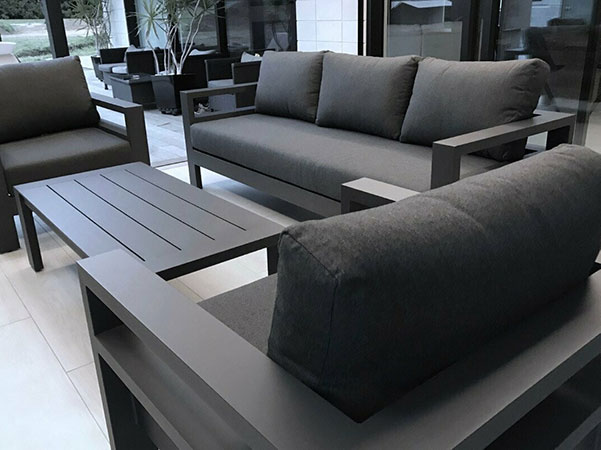
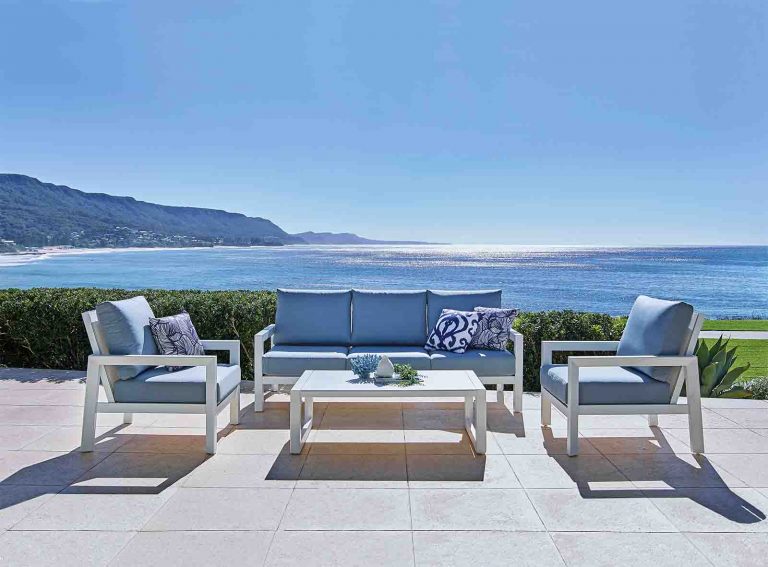
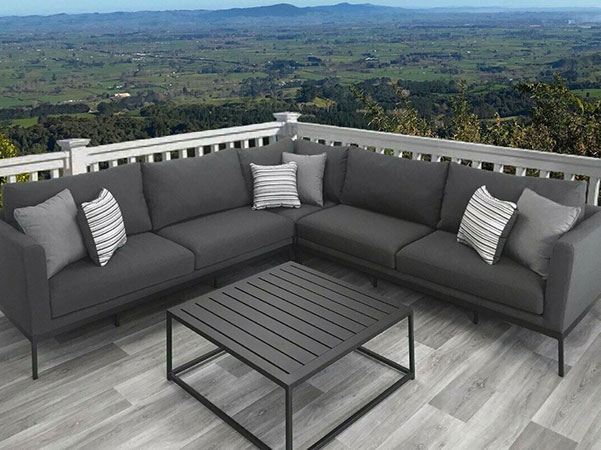
One set including 2 of 1 seater sofa+ 1 of 2 seater sofa+ 1 of coffee table
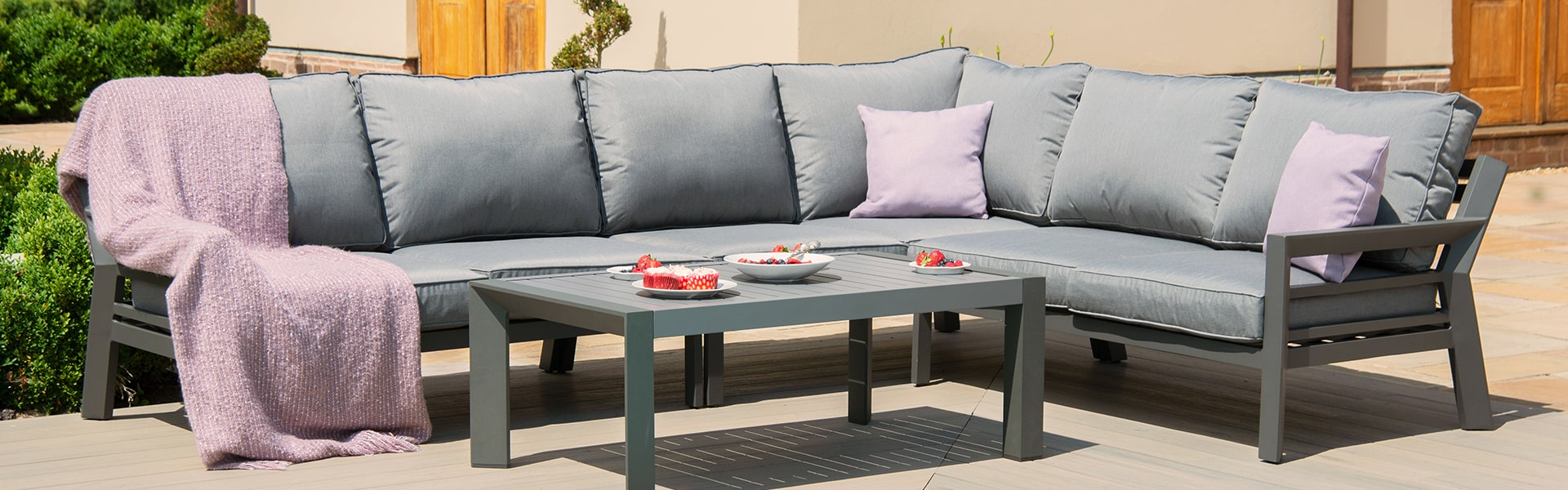
Side view of 2 seater sofa and front view of 1 seater sofa
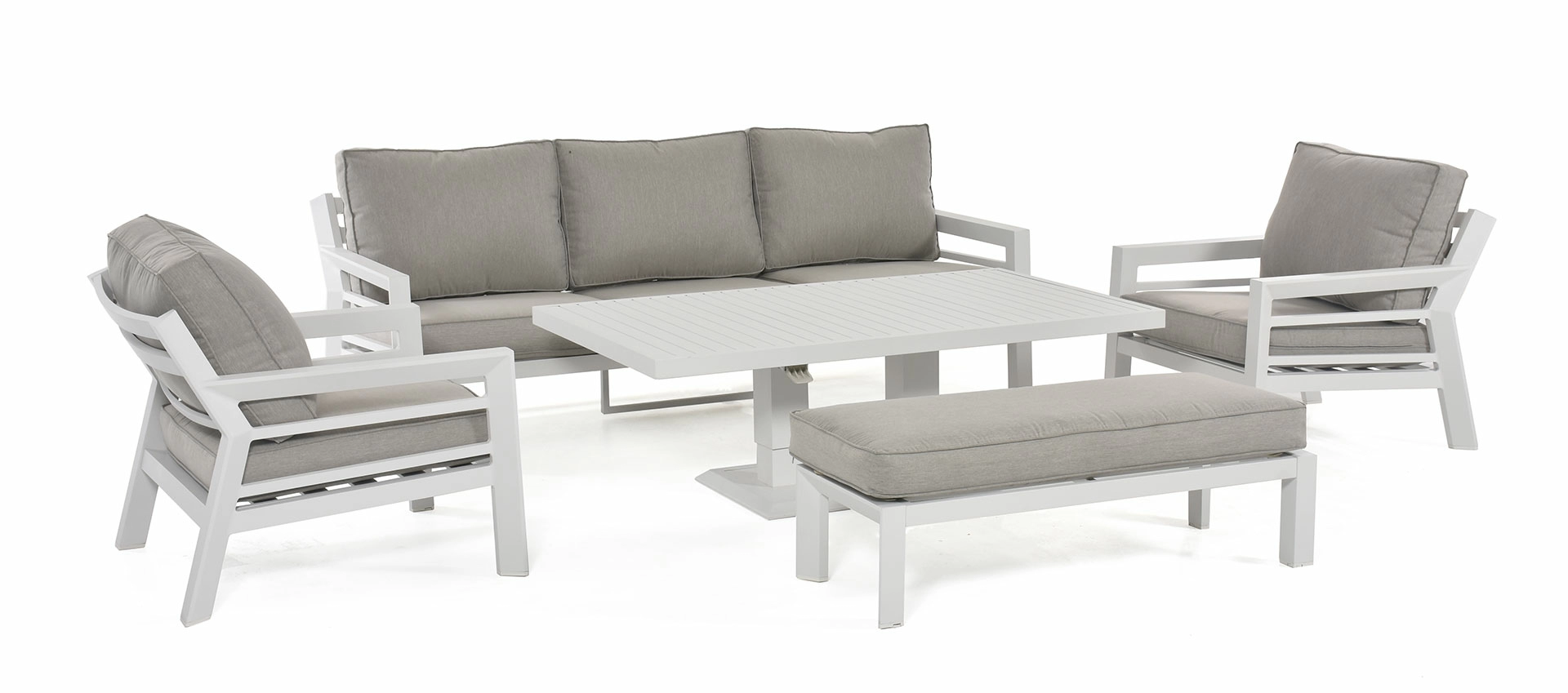
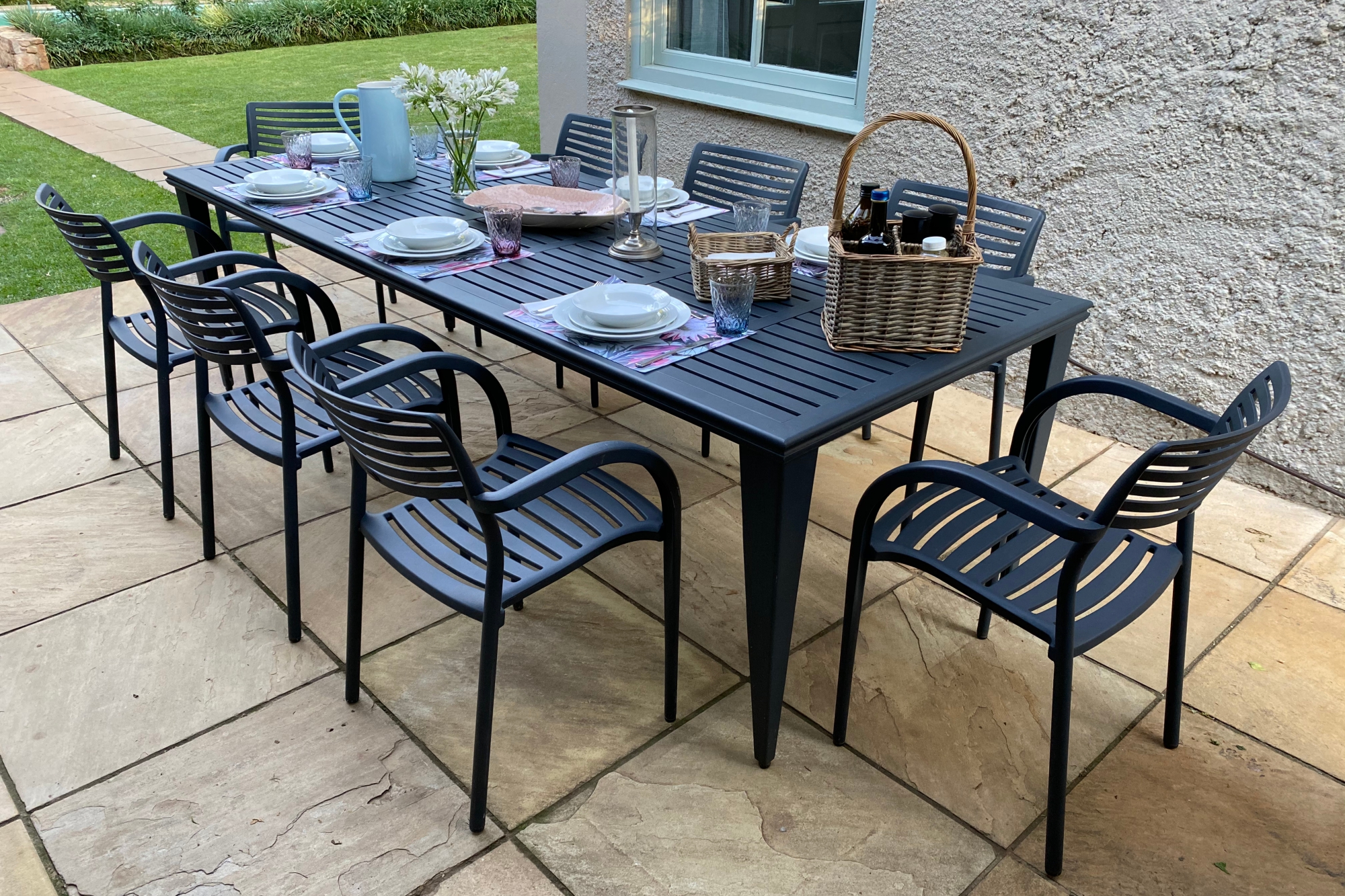
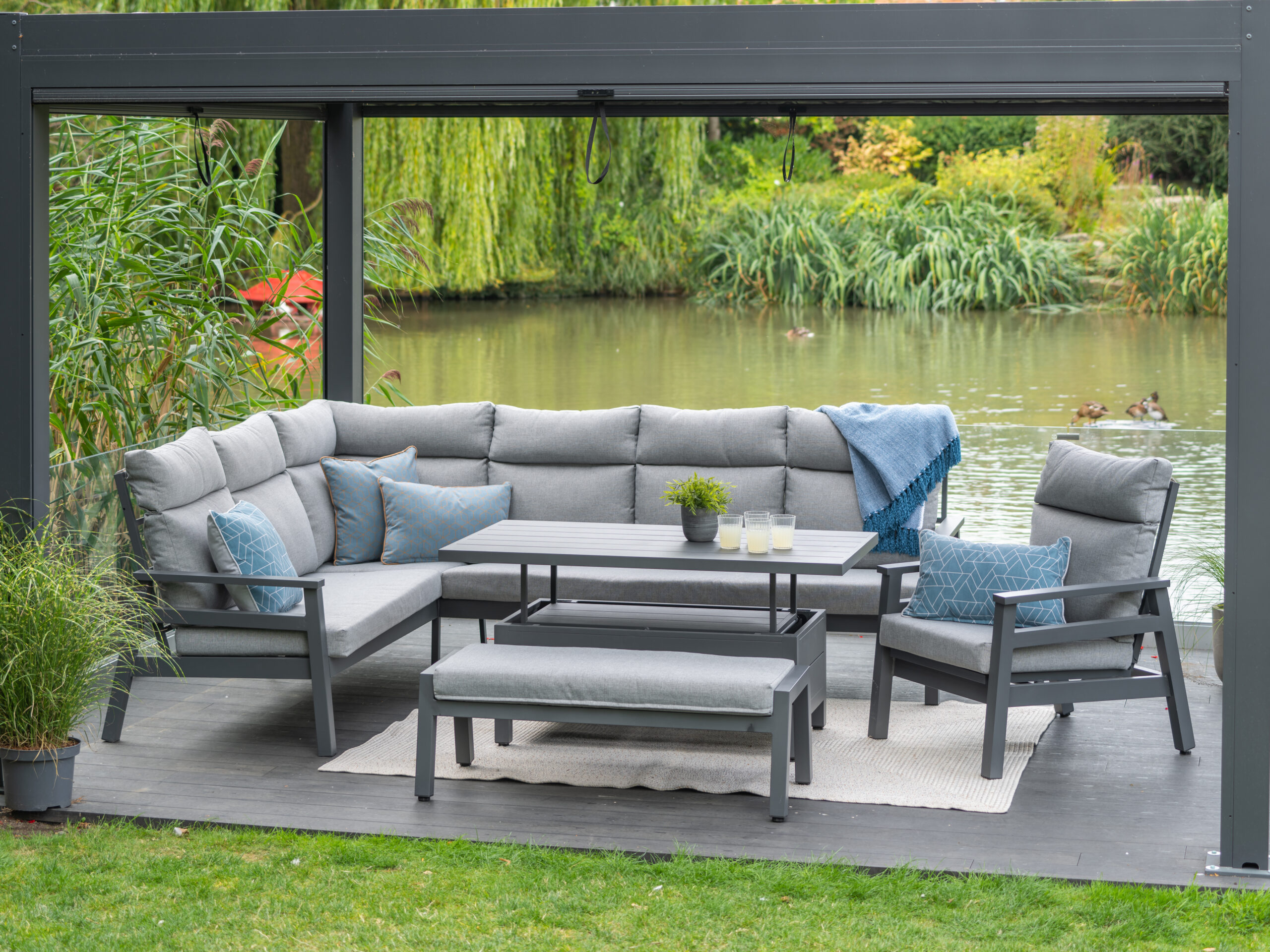
We could also put a dining table in the middle
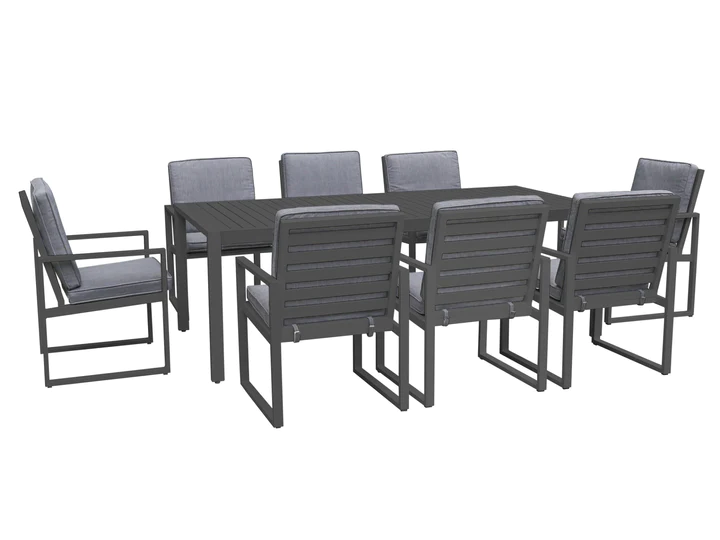
Detail of the dining table
Our Advantages
Our advantages & Competitive Edge
1. Professional technical team with 80 technicians and 16 years manufacturing experience.
2. Strict quality control: input process quality control and full inspection of finished products.
3. A variety of types to choose from, including metal, CHINAMFG wood, upholstered, and plastic wood types, etc.
4. Super high cost performance, the whole process is produced by ourselves, which effectively reducing cost.
5. Professional after-sales service and free accessories are provided.
Material Selection
Material Introduction:
1)Aluminum: Brand-new Aluminum, we have 1.2,1.5.,2.0 thickness.
2)Powder Coating: All frames will be treated by powder coating.
3)Hight quality PE rattan: nontoxic, washability, UV, and weather resistance.
4)Fabric: Olefin, polyester, and Acrylic. We have low, medium, and high brands of fabric for you to choose
5)Color: more than 100 kinds of colors.
Our main business
1. Original Equipment Manufacture & Original Design Manufacturer. Our team is home to 1 foreign designer and 3 domestic product engineers. The factory comes with 8 major workshops – for Hardware, Grinding &Polishing, Powder Coating, Weaving, Upholstering, Installation, Packing, and Warehouse. Also, our plant is equipped with complete equipment & well-established production system, like CNC cutting machine, CNC pipe cutter, an automatic drilling machine, welding machine, environment-friendly grinding and polishing line, pine coating line, Spreader, CNC lathe, Pipe Bender, etc. Currently, there are 100 staff in total in our firm. Every single production operation & quality is under our control.
2. Contract furniture projects can be offered, with free produce working drawings & 3D renderings included. If you need to confirm the quality, the sample free of charge can be provided. Rapid prototyping, as well as timely delivery, is guaranteed.
3. Among the products in stock are dining sets, sofa sets, lounges, swing chairs, aluminum foundry products, awnings, sunshades, tweak products and brushed aluminum products.
OEM&ODM:
product-group/FqkfOQPHbgVA/OEM-ODM-catalog-1.html
Customized Project:
product-group/HeMnIRPxRrpg/Customized-Project-catalog-1.html
Stock Product:
product-group/eMRnxlikVLhQ/Stock-Product-catalog-1.html
Sofa Set:
product-group/QbYEKAzPTLVT/Sofa-Set-catalog-1.html
Table&Chair:
product-group/FeUmXNzAHuVJ/Table-Chair-catalog-1.html
Sunlounge:
product-group/EbRxXVuwagkG/Sunlounge-catalog-1.html
Our Exhibition
Certifications
FAQ
Q1: Are you a factory or a trading company?
A: We are a professional manufacturer of years Outdoor furniture experience, located in HangZhou City, ZheJiang China, with an area of 12000 square CHINAMFG of workshop and more than 200 employees.
Q2: What’s your main market?
A: Our main market is North America, Europe, Australia, and other countries, exporting more than 30 containers per month.
Q3: What’s your delivery time if I have placed an order?
A: We can ensure you deliver your goods within 40-60 days when we get your order confirmation and deposit.
Q4: Could you offer to customize the service?
A: Yes, we can. We are capable of tailoring the products according to your personal requirements.
Q5: Does the company pass the relevant factory inspection?
A: Passed BSCI Audit Passed Security Audit
Passed Quality Audit 2018/6 passed ISO9001 certification
Q6: What is your MOQ?
A:ODM & OEM ,MOQ is 1 40HQ,In stock and Personalized Product,MOQ is 2 sets.
| Material: | Aluminum, PE Rattan, Outdoor Fabric |
|---|---|
| Frame Material: | Aluminum |
| Style: | Modern |
| Type: | Double |
| Usage: | Bar, Cafe, Restaurant, Outdoor, Patio, Garden, Pool, Courtyard, Hotel |
| Folded: | Unfolded |
| Samples: |
US$ 1306.44/Set
1 Set(Min.Order) | |
|---|
| Customization: |
Available
|
|
|---|
How do I protect my aluminum garden furniture from sun exposure and fading?
To protect your aluminum garden furniture from sun exposure and fading, you can take the following measures:
1. Use Protective Covers:
When your aluminum furniture is not in use, consider covering it with protective covers specifically designed for outdoor furniture. These covers shield the furniture from direct sunlight and help prevent fading. Make sure the covers are properly fitted and secure to withstand wind and other weather conditions.
2. Provide Shade:
If possible, position your furniture in shaded areas of your garden or use umbrellas, awnings, or pergolas to create shade. This will reduce direct exposure to intense sunlight and minimize the risk of fading.
3. Apply Protective Finishes:
Consider applying protective finishes, such as clear coats or sealants, to your aluminum furniture. These finishes can provide an additional layer of protection against UV rays and help maintain the original color of the furniture.
4. Move Furniture to Shaded Areas:
If your furniture is lightweight and portable, you can move it to shaded areas when the sun is at its strongest. This allows you to control the amount of sun exposure your furniture receives and reduce the risk of fading.
5. Clean and Maintain Regularly:
Regular cleaning and maintenance are essential for preserving the appearance of your aluminum furniture. Use a mild detergent and water to clean the furniture, removing any dirt, debris, or stains. Avoid using abrasive cleaners or brushes that may scratch the surface. By keeping your furniture clean, you can prevent dirt buildup that can contribute to fading.
6. Use UV-Protective Fabrics:
If your aluminum furniture has cushions or upholstery, opt for fabrics that offer UV protection. Look for outdoor fabrics specifically designed to resist fading and damage from sunlight. UV-protective fabrics will help prolong the lifespan of your cushions and maintain their vibrant colors.
7. Store Furniture During Long Periods of Non-Use:
If you anticipate long periods of non-use, such as during the winter or when you’re away on vacation, consider storing your aluminum furniture in a covered and dry area to protect it from prolonged sun exposure.
By implementing these protective measures, you can help protect your aluminum garden furniture from sun exposure and fading, ensuring that it remains in good condition and retains its aesthetic appeal for years to come.
How do I secure aluminum garden furniture to prevent it from tipping over in strong winds?
To prevent aluminum garden furniture from tipping over in strong winds, there are several measures you can take to secure it effectively. Here are some methods to consider:
1. Anchor with Weights:
One of the simplest ways to secure your aluminum garden furniture is by using weights or anchors. This method involves attaching heavy objects to the furniture to increase its stability and prevent tipping. You can use sandbags, concrete blocks, or specially designed furniture weights. Place the weights on the base or legs of the furniture to provide additional stability.
2. Tie-Down Straps:
Using tie-down straps is another effective method to secure your aluminum garden furniture. These straps are typically made of durable materials like nylon or polyester and have adjustable buckles or hooks. Attach one end of the strap to the furniture and the other end to a stable structure such as a wall, fence, or ground anchor. Tighten the straps to ensure the furniture is securely fastened.
3. Ground Stakes:
If your aluminum furniture has legs or a base that can be inserted into the ground, using ground stakes can provide stability. Ground stakes are long, pointed rods that can be driven into the ground next to the furniture legs or base. This helps anchor the furniture and prevent it from tipping over in strong winds. Ensure that the stakes are securely inserted and tightly hold the furniture in place.
4. Wind Clips or Straps:
Wind clips or straps are designed specifically to secure outdoor furniture in windy conditions. These clips or straps attach to the furniture and anchor it to the ground or another stable surface. They often come with adjustable features to accommodate different furniture shapes and sizes, providing a secure connection.
5. Store or Seek Shelter:
In extreme weather conditions, such as storms or hurricanes, it may be best to store your aluminum garden furniture indoors or in a secure storage area. If indoor storage is not possible, consider seeking shelter for the furniture, such as a covered patio, gazebo, or shed. This can provide protection from strong winds and reduce the risk of tipping.
It’s important to assess the specific needs and design of your aluminum garden furniture when choosing a method to secure it. Additionally, always follow manufacturer recommendations and guidelines for securing your furniture, as they may provide specific instructions based on the design and construction of the furniture.
By implementing these measures, you can help ensure that your aluminum garden furniture remains stable and secure even in the face of strong winds, reducing the risk of damage or accidents.
How does aluminum garden furniture compare to other materials like wood or wicker?
When comparing aluminum garden furniture to other materials like wood or wicker, there are several factors to consider. Each material has its own unique characteristics and advantages. Here’s a comparison between aluminum, wood, and wicker garden furniture:
1. Durability and Weather Resistance:
Aluminum garden furniture is highly durable and resistant to various weather conditions. It is rust-resistant, lightweight, and does not require extensive maintenance. On the other hand, wood furniture requires regular maintenance, such as sealing or staining, to protect it from moisture, UV rays, and pests. Wicker furniture, typically made from natural or synthetic fibers, is prone to fading, mold, and mildew if not properly cared for.
2. Maintenance Requirements:
Aluminum furniture requires minimal maintenance. It can be easily cleaned with mild soap and water. Wood furniture, especially if left untreated, may require regular cleaning, sanding, and refinishing to maintain its appearance and durability. Wicker furniture may need occasional cleaning and spot treatment to prevent mold or mildew growth.
3. Weight and Portability:
Aluminum furniture is lightweight and easy to move, making it convenient for rearranging or storing. Wood furniture is heavier and may require more effort to move. Wicker furniture is generally lighter than wood but heavier than aluminum, offering a balance between portability and stability.
4. Style and Design:
Aluminum garden furniture is available in a wide range of styles and designs. It can be shaped and formed into various modern or traditional designs to suit different outdoor aesthetics. Wood furniture offers a classic and natural look, with options for different wood species and finishes. Wicker furniture has a distinct woven texture and is often associated with a more casual or tropical style.
5. Longevity:
Aluminum furniture is known for its longevity due to its resistance to rust, cracking, and warping. With proper care, it can last for many years. Wood furniture can also have a long lifespan if properly maintained, but it may require more regular upkeep. Wicker furniture, especially natural wicker, may have a shorter lifespan compared to aluminum or wood due to its susceptibility to damage from weather and moisture.
6. Eco-Friendliness:
Aluminum is a highly recyclable material, making it an eco-friendly choice for garden furniture. Wood furniture can be sustainable if sourced from responsibly managed forests. Wicker furniture made from natural fibers is biodegradable and renewable, while synthetic wicker may not be as environmentally friendly.
Ultimately, the choice between aluminum, wood, or wicker garden furniture depends on your specific preferences, budget, and the desired look for your outdoor space. Consider factors such as durability, maintenance requirements, style, and environmental impact when making your decision.
editor by CX 2023-10-23
China best Club Furniture Modern Wedding Chair Gold Contemporary Garden Furniture Bar Table High Stool Sets vacuum pump for ac
Product Description
| Item Name: | Club Furniture Modern Wedding Stainlessbar Stool Steel Gold High Back White Bar Chair |
| Container capacity: | 20 GP:438PCS 40GP:800PCS 40HQ:1116PCS (4pcs/ CTNS) |
| Material: | Steel frame +high density sponge+ leather / Fabric cover |
| Payment terms : | 100% T/T (30% deposit before production, 70% balance before shipment) |
| Loading port : | HangZhou / HangZhou / HangZhou |
HangZhou CHINAMFG Furniture Co., Ltd, specialized in manufacturing quality metal furniture products, is located in Xihu (West Lake) Dis. District with 3 workshops of over 10,000 square CHINAMFG and more than 100 workers. We have imported production machines from Italy & Germany and made strict quality control policy to guarantee high quality of all products exported to global market such as Russia, UK, America, Australia, South Africa, Middle East, Europe,Domestic market etc. Since we always take quality as our top priority, more and more clients at home and abroad have established long-term cooperation with our company.
We supply various furniture products such as Wedding event furniture, Restaurant series, Dining room sets, Coffee table, Console Table, TV stand, Banquet table and chairs, Leisure chairs & Metal frame, etc. to satisfy different potential needs and demands of each and every client.
“Quality, Service, Honest, Win-Win” is our principle and we always follow it during our development.
RELATED PRODUCTS
FAQ
1.How to get a quote quickly?
All of our products can be customized. We can meet you any requirement of the size,shape,design,logo. we will be appreciated if you can provide the information below before quote you the price:
A.Bag style.
B.Material structure and thickness.
C.Packaging.
D.Demension (width & length & height)
E.The logo and color request.
F.If possible,pls provide the artwork of the products and packaging.If you are not clearly,we will recommend for you.
With above information we can quote you the exact price immediately.
2.What is your MOQ?
A: If customer have agent in China arrange the delivery shipping for you, there will be no MOQ limited, that means customer can order 1 piece and the price will be offered as EXW factory price.
B: if customer needs us arrange the delivery shipping, the MOQ will be 1 set (the total cubic number of the order must more than 3 CBM). But mixed order can be accepted. That means each design each item customer can select only 1 piece, till 3CBM full.
C: About Min Order Quantity, normally is 1 20ft container, several items mixed.Small quantity is acceptable for trial order.
3.What is the Shipping Cost?
If you want to know the shipping freight, The shipping cost is determined by the destination port, weight, packing size, total CBM of the goods . It is difficult for us to quote you the exactly shipping fee without knowing your total quantity of the order and your destination sea port; we will quote you the good shipping cost after receive your feedback.
4.About Price:
Sample order:
Sample is available for customer to check the quality.
We will charge double price for sample, but will return back after ordering.
The price is negotiable. It can be changed according to your quantity or package.
5.Trade terms: EXW.FOB.CIF.
6.What is the transportation?
We are able to send the goods by air/ Express delivery/ Sea.The transportation way is depended on the customer.
7.Package & Carton:
All tables packed in KD, chairs is semi-KD(meaning the seat cushion is un-fixed).Use 5-layer K=A 210pounds export standard carton. Your shipping marks can be printed on carton.
8.About OEM:
OEM Is available, you can send your own design or picture to us.We can make the product as you like.
9.Payment Term or other question:
T/T and western union are accept .
T/T:30% Deposit ,balance paid before shipment
10.Lead Time:
About 20-35 days for 1*40HQ after sending deposit.
11.Guarantee:
We guarantee the quality:
For damaged and missing items, we will send replacement after getting related details, such as photo or video.
12.Where is your factory located? How can I visit there?
Industrial NO.4 Zhongnan Industrial,Xihu (West Lake) Dis. Town,Xihu (West Lake) Dis. District,HangZhou City,ZheJiang Province,China.
You are warmly welcome to visit our factory! We can pick you up in anywhere when we are available, dont forget to contact us first.
Want further information pls email me or chat with me on TradeManager directly.
| Style: | Modern |
|---|---|
| Material: | Metal |
| Rotary: | Fixed |
| Samples: |
US$ 60/Piece
1 Piece(Min.Order) | Order Sample |
|---|
| Customization: |
Available
|
|
|---|
.shipping-cost-tm .tm-status-off{background: none;padding:0;color: #1470cc}
|
Shipping Cost:
Estimated freight per unit. |
about shipping cost and estimated delivery time. |
|---|
| Payment Method: |
|
|---|---|
|
Initial Payment Full Payment |
| Currency: | US$ |
|---|
| Return&refunds: | You can apply for a refund up to 30 days after receipt of the products. |
|---|
Can I leave my garden furniture outside year-round, or should I store it?
Whether you can leave your garden furniture outside year-round or need to store it depends on several factors, including the type of furniture, the materials it’s made of, and the climate in your area. Here are some considerations to help you decide:
1. Furniture Material:
Different furniture materials have varying levels of durability and resistance to weather conditions. Some materials, like aluminum or teak, are more resistant to moisture, UV rays, and temperature fluctuations, making them suitable for year-round outdoor use. Other materials, such as certain types of wood or wicker, may require more protection and maintenance and might be better stored during harsh weather.
2. Climate:
The climate in your area plays a significant role in determining whether you can leave your garden furniture outside year-round. If you live in a region with mild and temperate weather throughout the year, it may be possible to keep your furniture outdoors. However, if you experience extreme temperatures, heavy rain, snow, or high humidity, it’s generally advisable to store your furniture during the harshest seasons to protect it from potential damage.
3. Maintenance and Protection:
Proper maintenance and protection can significantly extend the lifespan of your outdoor furniture. Even if your furniture is designed for outdoor use, regular cleaning and applying protective treatments, such as sealants or weather-resistant coatings, can help maintain its appearance and durability. However, if you’re unable to provide regular maintenance or protection, storing your furniture during unfavorable weather conditions can help preserve its condition.
4. Available Storage Space:
Consider the availability of storage space when deciding whether to store your garden furniture. If you have ample storage space, storing your furniture during the off-seasons can offer maximum protection and prolong its lifespan. However, if storage space is limited or not available, you may need to explore other options, such as using furniture covers or finding creative ways to protect your furniture from the elements.
5. Personal Preference:
Ultimately, your personal preference and priorities should also be considered. If you value having your garden furniture readily available for use throughout the year and are willing to invest in the necessary maintenance and protection, you may choose to leave it outside. On the other hand, if you prefer the peace of mind and convenience of storing your furniture during unfavorable weather, that may be the best option for you.
It’s important to note that even if your furniture is designed for outdoor use and you decide to leave it outside year-round, it’s still advisable to take precautions, such as using furniture covers, securing the furniture during storms, or moving it to a sheltered area when extreme weather is expected.
Ultimately, the decision to leave your garden furniture outside year-round or store it depends on the specific circumstances and considerations mentioned above. Assess the factors relevant to your situation and choose the option that best suits your furniture, climate, and personal preferences.
What are the ideal materials for garden furniture cushions that won’t absorb moisture?
When selecting cushions for garden furniture, it’s important to choose materials that won’t absorb moisture to ensure durability and easy maintenance. Here are some ideal materials for garden furniture cushions that are resistant to moisture:
1. Solution-Dyed Acrylic:
Solution-dyed acrylic is a popular choice for outdoor cushions as it is highly resistant to moisture absorption. The fibers are dyed before they are spun into yarn, resulting in color that permeates the entire fiber. This material is known for its fade resistance, water repellency, and resistance to mold and mildew. Solution-dyed acrylic cushions are also generally easy to clean and maintain.
2. Polyester:
Polyester is another suitable material for garden furniture cushions that won’t absorb moisture. It is naturally resistant to water and dries quickly. Polyester cushions are also generally resistant to fading, staining, and mildew. Look for cushions made from high-quality, outdoor-grade polyester fabric for optimal performance.
3. Olefin:
Olefin is a synthetic fiber that is resistant to moisture, mold, and mildew. It has excellent water repellency and dries quickly, making it a suitable choice for outdoor cushions. Olefin is also known for its durability and colorfastness, retaining its vibrant colors even with prolonged exposure to sunlight.
4. PVC-Coated Polyester:
PVC-coated polyester cushions are designed to be highly water-resistant. The polyester fabric is coated with a layer of polyvinyl chloride (PVC) that creates a waterproof barrier. This coating prevents moisture absorption and makes the cushions easy to clean. PVC-coated polyester cushions are often used in marine and outdoor settings due to their excellent water resistance.
5. Quick-Dry Foam:
In addition to the cushion fabric, consider the type of foam used inside the cushions. Quick-dry foam is a high-performance foam that is designed to allow water to quickly drain and evaporate. This foam helps prevent moisture retention inside the cushions, reducing the risk of mold and mildew growth. Quick-dry foam is an excellent choice for outdoor cushions that need to withstand wet conditions.
6. Mesh or Ventilated Fabrics:
Another option for moisture-resistant cushions is to choose fabrics with mesh or ventilated designs. These fabrics allow air to circulate more freely, facilitating faster drying and reducing the chances of moisture buildup. Mesh or ventilated cushions can be particularly beneficial in humid climates or areas prone to heavy rainfall.
When selecting cushions for your garden furniture, look for materials that offer both comfort and moisture resistance. Consider the specific climate and weather conditions in your area to ensure the cushions are suitable for outdoor use. Regular cleaning and proper maintenance will also help extend the lifespan of your cushions and keep them in good condition.
How do I choose the right garden furniture set for my outdoor space?
Choosing the right garden furniture set for your outdoor space involves considering several factors such as space availability, functionality, style, and budget. Here are some steps to help you make the right decision:
1. Assess Your Outdoor Space:
Start by evaluating the available space in your outdoor area. Measure the dimensions and consider any specific features or limitations, such as uneven terrain or existing structures. This will help you determine the appropriate size and layout for your furniture set.
2. Define Your Purpose:
Consider how you plan to use your outdoor space. Do you want a dining area for hosting meals, a cozy seating area for relaxation, or a combination of both? Defining your purpose will guide your choices in terms of the type of furniture set you need.
3. Consider Durability and Weather Resistance:
Since garden furniture is exposed to outdoor elements, choose materials that are durable and weather-resistant. Look for options such as teak, aluminum, or synthetic wicker that can withstand various weather conditions without deteriorating.
4. Evaluate Comfort and Ergonomics:
Comfort is key when selecting garden furniture. Test the seating options to ensure they provide adequate support and cushioning. Consider ergonomic features such as adjustable backrests or armrests for added comfort.
5. Match Your Style and Aesthetic:
Choose a furniture set that complements your outdoor space and reflects your personal style. Consider the overall aesthetic, whether it’s modern, rustic, or traditional. Look for furniture sets that align with your chosen theme and color palette.
6. Opt for Low-Maintenance Options:
Consider the level of maintenance required for the furniture set. Some materials, like teak or aluminum, require minimal upkeep, while others may need regular cleaning or refinishing. Assess your willingness and ability to maintain the furniture set over time.
7. Test Quality and Construction:
Inspect the quality and construction of the furniture set before making a purchase. Check for sturdy frames, secure joints, and durable finishes. Sit on the chairs and test the stability. Quality craftsmanship will ensure the longevity of your furniture set.
8. Set a Realistic Budget:
Establish a budget for your garden furniture set and stick to it. Consider the long-term investment and choose a set that offers good value for your money. Balance cost with quality and durability to make an informed decision.
9. Read Reviews and Seek Recommendations:
Before finalizing your choice, read customer reviews and seek recommendations from friends or family who have purchased similar furniture sets. Their experiences can provide valuable insights and help you make an informed decision.
By following these steps and considering your specific needs and preferences, you can choose the right garden furniture set that enhances your outdoor space and provides a comfortable and enjoyable environment for relaxation or entertainment.
editor by CX 2023-10-23
China factory Folding CHINAMFG Alloy Bracket Waterproof Fabric Mesh Beach Chair Fishing Camping Chair vacuum pump diy
Product Description
Production time
| Unfolded size | 56*60.5*65.5 cm |
| Folded size | 35*11.5*10.5 cm |
| Fabric Material | 600D Oxford cloth with waterproof PE coating |
| Tube Material | 16mm diameter steel pipe |
| Color | ACCEPT CUSTOM |
| Logo | ACCEPT CUSTOM |
| Feature | Portable |
| Port | ZheJiang |
Details of product
Company profile
ZheJiang CHINAMFG Industry Co., Ltd. is a professional pouches and bags manufacturer in China. Here we believe you can find the right
pouch bag that we made for various uses, especially for gifts, toys, cosmetics, jewelry, laptops, cell phones, promotions and
shopping.
We are leading manufacturer in China which specialized in bags/fans/promotion gifts products supplying for over 10 years.
Good quality and professional service help us gain many good reputation all over the world; we hope you can join us in the
future.
Not only on time, but also cost effective.
FAQ
Q: How to confirm the quality with us before starting to produce?
1) We can provide samples and you can choose 1 or more, and then we make the quality according to that.
2) Send us your samples, and we will make it according to your quality.
Q: How to solve the quality problems after sales?
A: Take photos of the problems and send to us After we comfirm the problems, within 3 days,we will make a satisfied solution
for you.
Q: What is the lead time?
A: Depends on your quantity, normally 15-30days after make payment.
Q: Can you print our brand on the product?
A: Yes, Of course. Customer’s brand logo can be printed on products.
Q: What about the price?
A: We promise the price we offer is lowest if same application, only to enlarge the market share.
| Material: | Fabric+Steel |
|---|---|
| Style: | Modern |
| Kind: | Fishing Chair |
| Folded: | Folded |
| Armrest: | With Armrest |
| Condition: | New |
| Samples: |
US$ 15/Piece
1 Piece(Min.Order) | |
|---|
| Customization: |
Available
|
|
|---|
How do I choose the right size and style for my aluminum folding chairs?
Choosing the right size and style for your aluminum folding chairs involves considering factors such as the intended use, available space, and personal preferences. Here are some guidelines to help you make an informed decision:
1. Determine the Intended Use:
Consider where and how you plan to use the folding chairs. Are they primarily for indoor events, outdoor gatherings, or camping trips? The usage context can influence the size and style requirements. For example, if you need chairs for camping, compact and lightweight options may be more suitable.
2. Assess Available Space:
Measure the available space where the chairs will be used or stored. Consider factors such as the dimensions of the area and any space limitations. This will help you determine the appropriate size of the chairs, ensuring they fit comfortably within the designated space.
3. Consider Weight Capacity:
If you anticipate that users may vary in weight or size, it’s important to consider the weight capacity of the chairs. Aluminum folding chairs typically have varying weight limits, so ensure that the chairs you choose can safely accommodate the intended users.
4. Evaluate Comfort Features:
Consider the comfort features you desire in the chairs. This can include factors such as cushioning, armrests, and backrest design. Keep in mind that additional comfort features may add weight and affect the portability of the chairs.
5. Style and Aesthetic:
Consider the style and aesthetic of the chairs to ensure they align with your preferences and the overall ambiance of the space. Aluminum folding chairs come in various designs, color options, and finishes. Choose a style that complements your event theme, personal taste, or existing decor.
6. Read Reviews and Compare Options:
Before making a final decision, read reviews or seek recommendations from others who have used or purchased similar chairs. Their feedback can provide insights into the quality, durability, and comfort of different models and brands.
7. Test and Try:
If possible, test and try different aluminum folding chairs before making a purchase. This allows you to assess the comfort, ease of folding/unfolding, and overall functionality firsthand.
By considering these factors, you can choose the right size and style of aluminum folding chairs that best meet your needs, ensuring a comfortable and enjoyable seating experience for yourself and your guests.
What are the benefits of using aluminum folding chairs for camping and picnics?
Using aluminum folding chairs for camping and picnics offers several benefits. Here’s a detailed explanation:
- Portability: Aluminum folding chairs are lightweight and easy to carry, making them highly portable for camping and picnics. They can be folded and compactly stored in a car trunk or backpack, allowing for convenient transportation to outdoor locations.
- Space Efficiency: The folding design of aluminum chairs makes them space-efficient. When not in use, they can be folded and stored in a small area, leaving ample space for other camping or picnic gear. This is especially advantageous when storage space is limited.
- Quick Setup: Aluminum folding chairs can be set up quickly, allowing you to create comfortable seating arrangements in no time. This is especially useful when you want to relax and enjoy your camping or picnic experience without spending too much time on setup.
- Durability: Aluminum is a durable material that can withstand outdoor conditions. Aluminum folding chairs are built to be weather-resistant, making them suitable for camping and picnics where exposure to the elements is inevitable. They can resist rust and corrosion, ensuring their longevity.
- Comfort: Many aluminum folding chairs are designed with comfort in mind. They often feature ergonomic designs, supportive backrests, and contoured seats that provide a comfortable seating experience during camping and picnics. Some chairs may even have additional padding or fabric upholstery for enhanced comfort.
- Versatility: Aluminum folding chairs are versatile and can be used in various outdoor settings. Whether you’re camping in the wilderness, having a picnic in the park, or enjoying a beach day, aluminum folding chairs can provide a practical seating solution that enhances your outdoor experience.
- Ease of Cleaning: Aluminum folding chairs are easy to clean, which is beneficial for outdoor activities. They can be wiped down with a damp cloth or mild cleaning solution to remove dirt, dust, or food stains. This ensures that your chairs stay clean and presentable during camping and picnics.
- Affordability: Aluminum folding chairs are often more affordable compared to other camping or outdoor seating options. They provide a cost-effective solution for seating needs during camping and picnics, allowing you to allocate your budget to other essentials or activities.
Considering these benefits, aluminum folding chairs are a practical and convenient choice for camping and picnics. They offer portability, space efficiency, quick setup, durability, comfort, versatility, easy cleaning, and affordability, making them an ideal seating option for outdoor adventures.

What are the benefits of using powder-coated aluminum for folding chair frames?
Using powder-coated aluminum for folding chair frames offers several benefits. Powder coating is a popular finishing technique that involves applying a dry powder to the aluminum surface and then curing it through a heat treatment process. Here are some of the advantages of using powder-coated aluminum for folding chair frames:
1. Enhanced Durability:
Powder coating forms a protective layer on the aluminum surface, increasing its resistance to scratches, chipping, and fading. This helps the folding chair frames withstand regular use, transportation, and exposure to various environmental conditions.
2. Corrosion Resistance:
The powder coating acts as a barrier against moisture and chemicals, enhancing the corrosion resistance of the aluminum frames. This is particularly beneficial for folding chairs used outdoors or in areas with high humidity or saltwater exposure.
3. Aesthetic Appeal:
Powder-coated aluminum folding chair frames come in a wide range of colors and finishes. The powder coating process allows for customization, enabling manufacturers to offer chairs in different shades and textures. This enhances the aesthetic appeal and allows folding chairs to complement various indoor and outdoor settings.
4. Easy Maintenance:
Powder-coated aluminum frames are relatively easy to clean and maintain. The smooth and sealed surface of the powder coating makes it resistant to dirt, stains, and fading. Regular cleaning with mild soap and water is usually sufficient to keep the folding chairs looking their best.
5. Environmentally Friendly:
Powder coating is an eco-friendly finishing option. The powder used in the process is typically free from solvents and volatile organic compounds (VOCs), making it a safer alternative to liquid paints. Additionally, the overspray from the powder coating process can be collected and reused, minimizing waste.
6. Improved Safety:
Powder-coated aluminum frames are free from sharp edges or protrusions, reducing the risk of injury during use. The powder coating also helps to provide a smooth and comfortable surface for users, enhancing safety and user experience.
Overall, using powder-coated aluminum for folding chair frames combines the inherent benefits of aluminum, such as strength and lightweight properties, with the added advantages of enhanced durability, corrosion resistance, customizable aesthetics, easy maintenance, environmental friendliness, and improved safety.
editor by CX 2023-10-23
China Hot selling CHINAMFG Anodized Light Weight Foldable Commode Chair for The Disable vacuum pump electric
Product Description
OEM
We are a manufacturer, providing quality products at a premium price.
We can provide rehabilitation products and services.Our rehabilitation products are sold to the United States, Poland, Peru, Mexico, Chile, Brazil, India, Vietnam, Philippines, Bangladesh and other more than 200 countries around the world. It is a great honor that the quality of the product has been recognized by many sellers.
This Folding Commode has broad armrests and a moulded mesh backrest for additional comfort and support. The backrest also doubles as a carrying handle when the commode is folded. The anti-slip ferrules on the feet provide you with confidence that the commode will be stable when used on a range of surfaces.
The plastic seat and armrests are both easy to clean. In addition, the commode is supplied with a plastic commode pan with a lid and handle, making disposing of waste an easy and hygienic process.
The foldable and portable nature of this commode makes it a great choice for both home and care environments.
The frame is made from aluminum aloy.
Easy to fold, tool-free installation.
Seat – water proof leather.
Backrest – EVS environmentally friendly material.
Extension legs-height adjustable.
Bucket can be took from up.
Product Description
| Commode chair | ||
| Model NO | LCC602L | |
| Specification | ||
| Frame Material | Aluminum | |
| Color | Silver | |
| Feature | Foldable,light weight,anti rusty | |
| Wheels | 5 ineches | |
| Handles | plastic handle | |
| Pads | Rubber | |
| Height | 78-88CM,adjustment | |
| Width | 44CM | |
| N.W | 4.5KGS | |
| Packing Size | 51*26*78CM | |
| QTY/CTN | 2PCS | |
| Weight Capacity | 100kg | |
| Warranty | 1 year | |
| Certification: | CE |
|---|---|
| Condition: | New |
| Tilted: | Tilted |
| Folded: | Folding |
| Leg Rest Type: | Across Both Sides |
| Material: | Aluminium Alloy |
| Samples: |
US$ 100/Piece
1 Piece(Min.Order) | |
|---|
| Customization: |
Available
|
|
|---|
How do I choose the right size and style for my aluminum folding chairs?
Choosing the right size and style for your aluminum folding chairs involves considering factors such as the intended use, available space, and personal preferences. Here are some guidelines to help you make an informed decision:
1. Determine the Intended Use:
Consider where and how you plan to use the folding chairs. Are they primarily for indoor events, outdoor gatherings, or camping trips? The usage context can influence the size and style requirements. For example, if you need chairs for camping, compact and lightweight options may be more suitable.
2. Assess Available Space:
Measure the available space where the chairs will be used or stored. Consider factors such as the dimensions of the area and any space limitations. This will help you determine the appropriate size of the chairs, ensuring they fit comfortably within the designated space.
3. Consider Weight Capacity:
If you anticipate that users may vary in weight or size, it’s important to consider the weight capacity of the chairs. Aluminum folding chairs typically have varying weight limits, so ensure that the chairs you choose can safely accommodate the intended users.
4. Evaluate Comfort Features:
Consider the comfort features you desire in the chairs. This can include factors such as cushioning, armrests, and backrest design. Keep in mind that additional comfort features may add weight and affect the portability of the chairs.
5. Style and Aesthetic:
Consider the style and aesthetic of the chairs to ensure they align with your preferences and the overall ambiance of the space. Aluminum folding chairs come in various designs, color options, and finishes. Choose a style that complements your event theme, personal taste, or existing decor.
6. Read Reviews and Compare Options:
Before making a final decision, read reviews or seek recommendations from others who have used or purchased similar chairs. Their feedback can provide insights into the quality, durability, and comfort of different models and brands.
7. Test and Try:
If possible, test and try different aluminum folding chairs before making a purchase. This allows you to assess the comfort, ease of folding/unfolding, and overall functionality firsthand.
By considering these factors, you can choose the right size and style of aluminum folding chairs that best meet your needs, ensuring a comfortable and enjoyable seating experience for yourself and your guests.
Can I find innovative or multi-functional designs for aluminum folding chairs?
Yes, you can find innovative and multi-functional designs for aluminum folding chairs. Here’s a detailed explanation:
Manufacturers have introduced various innovative features and designs to enhance the functionality and versatility of aluminum folding chairs. Some of these include:
- Adjustable Reclining Positions: Some aluminum folding chairs feature adjustable reclining positions, allowing users to customize their seating angle for optimal comfort. This is particularly beneficial for events that involve long periods of sitting, such as outdoor concerts or camping trips.
- Integrated Side Tables: Certain aluminum folding chairs come with integrated side tables attached to the armrests. These side tables provide a convenient surface for placing drinks, snacks, or personal belongings, eliminating the need for additional tables or stands.
- Storage Pockets: Innovative designs may include storage pockets or compartments on the backrest or underside of the seat. These pockets can be used to store small items like books, magazines, phones, or other essentials, keeping them within easy reach during events.
- Removable Cushions: Some aluminum folding chairs feature removable cushions or padding for added comfort. These cushions can be easily attached or detached, allowing users to customize their seating experience based on personal preferences.
- Convertible Designs: There are aluminum folding chairs that feature convertible designs, allowing them to transform into different configurations. For example, a chair may have a detachable seat and backrest that can be reconfigured into a stool or a lounge chair, offering versatility in seating options.
- Integrated Coolers or Insulated Pouches: Innovative designs may incorporate integrated coolers or insulated pouches in the chairs. These coolers or pouches can keep beverages or snacks chilled or insulated, making them a convenient addition for outdoor events or camping trips.
- Stacking and Locking Mechanisms: Some aluminum folding chairs feature innovative stacking and locking mechanisms. These mechanisms allow the chairs to be securely stacked on top of each other, minimizing storage space and facilitating easy transportation.
- Modular Designs: Modular aluminum folding chairs offer the flexibility to connect multiple chairs together, creating a continuous seating arrangement. This is particularly useful for events that require a long row of seating or the formation of seating clusters.
These are just a few examples of the innovative and multi-functional designs available for aluminum folding chairs. By exploring different brands, models, and styles, you can find chairs that incorporate unique features to meet your specific needs and preferences.
How do aluminum folding chairs compare to other materials like plastic or wood?
When comparing aluminum folding chairs to other materials such as plastic or wood, there are several factors to consider. Here’s a comparison of aluminum folding chairs with chairs made of plastic and wood:
1. Durability:
Aluminum folding chairs are known for their durability. The aluminum frame is sturdy and resistant to rust and corrosion, making them suitable for outdoor use. Plastic chairs, on the other hand, may be prone to cracking or breaking over time, especially when exposed to harsh weather conditions. Wood chairs can be durable, but they may require more maintenance to protect against rotting or warping.
2. Weight:
Aluminum folding chairs are lightweight, making them easy to transport and move around. Plastic chairs are also relatively lightweight, but they may not be as sturdy as aluminum chairs. Wood chairs are generally heavier and may be less portable.
3. Portability:
Due to their lightweight nature and folding design, aluminum chairs are highly portable. They can be easily folded and carried to different locations. Plastic chairs are also lightweight and portable, but they may lack the folding feature. Wood chairs tend to be bulkier and less convenient to transport.
4. Maintenance:
Aluminum folding chairs are low-maintenance and easy to clean. They can be wiped down with a damp cloth or cleaned with mild soap and water. Plastic chairs are also easy to maintain and can be cleaned with similar methods. Wood chairs may require more maintenance, including periodic staining or sealing to protect the wood from moisture and UV damage.
5. Comfort:
Aluminum folding chairs often feature ergonomic designs with contoured seats and backrests, providing support and comfort. Plastic chairs may have a similar ergonomic design, but they may not offer the same level of durability and stability. Wood chairs can be comfortable, especially with the addition of cushions, but they may not have the same flexibility and adjustability as aluminum or plastic chairs.
6. Aesthetic Appeal:
Aluminum folding chairs typically have a modern and sleek appearance, suitable for various settings. They are available in different colors and finishes. Plastic chairs come in a wide range of colors and styles, but they may not have the same level of sophistication as aluminum chairs. Wood chairs offer a natural and classic look, but their aesthetic appeal may depend on the specific design and finish.
7. Environmental Impact:
Aluminum is a recyclable material, making aluminum folding chairs a more environmentally friendly option. Plastic chairs are also recyclable, but they may have a higher environmental impact due to the production and disposal of plastic. Wood chairs can be sustainable if sourced from responsibly managed forests.
Ultimately, the choice between aluminum folding chairs, plastic chairs, or wood chairs depends on individual preferences, the intended use, and the specific requirements of the environment. Aluminum chairs offer durability, portability, and low maintenance, while plastic chairs may be more affordable and come in a variety of colors. Wood chairs provide a natural and classic aesthetic but may require more maintenance. Consider the desired features, budget, and the intended use to make an informed decision.
editor by CX 2023-10-23
China factory Air Compressor 75kw CHINAMFG IP54 with Complete Dryer and Housing Filter air compressor parts
Product Description
air compressor 75kw CHINAMFG ip54 with complete dryer and housing filter
ZAKF air compressor belongs to the general equipment category, and is widely used in steel, electric power, metallurgy, shipbuilding, electronics, textile, mining, chemical, petroleum, light industry, paper printing, machinery manufacturing, food and medicine, transportation facilities, casting spraying, and shipping terminals , Automotive industry, military technology, aerospace, infrastructure and other fields.
| direct drive air compressor |
| screw air compressor manufacturer |
| ac air compressor |
| tyre air compressor |
| screw air compressor price |
| air compressor for sand blasting |
| air compressor made in china |
| silent oil free air compressor |
| portable air compressor 220v |
| high pressure air compressor price |
| best price air compressor machine |
| mini air compressor 220v |
| air compressor with dryer |
| screw air compressor with dryer |
| air dryer for air compressor |
| air compressor dryer |
| compressor air dryer |
| air compressor |
| compressor |
| air compressor machines |
| air compressors compressor |
| compressor scrap |
| compressor refrigerator |
| screw air compressor |
| screw compressor |
| china air compressor | ||
| compressor machine | ||
| inverter compressor | ||
| air compressor screw | ||
| screw air-compressor | ||
| compressor pump | ||
| small compressor |
| air tank compressor | |||
| screw air compressor 75kw | |||
| 8 bar air compressor | |||
| motor air compressor | |||
| air compressor air | |||
| industrial air compressor prices | |||
| air compressor 1000l tank | |||
| air filter for compressor | |||
| air compressor 11kw | |||
| screw air compressor with dryer | |||
| air compressor made in china | |||
| world aire compressor | |||
| compressor screw air |
Product Brand
ZAKF import advanced technology from Europe, through constant practice and improvement, design a new generation of “ZAKF” air compressor.
Improved quality assurance manual, advanced production process, control management program files comprehensive, standardized, ensuring high quality brand name products “ZAKF”, stable and durable. High quality, intimate service get the praise from users all over the world.
Why use CHINAMFG screw air compressor?
1. we are air compressor factory, quality and deliver time is under control, compessor colour, logo, voltage, pressure , motor can customized.
2. Monthly output capacity is 1500set machine, Quality has been recognized by the market
3. All English Compressor data and manual .
4. 24hours After-sale service.
5. our own factory, visit factory on anytime you want.
6. Top quality spare parts
A. Air filter: air filter, Dust removal effect 99.99%, work good under bad enviroment
B. Oil filter: Oil filter with glass fiber filter material with spin on type, the filtration effect is 20% higher than the conventional filter element
C. Air / oil separator: Large-capacity design, high-quality air and oil separation, three time oil and gas separation, oil content below 2ppm
D. Thermostat valve: Prevent the temperature of the lubricant from being too high make oil emulsification or too low make oil carbon deposit
, Guaranteed long-term use of lubricating oil and good sealing performance
7. energy saving and environmental protection , especially the Inverter machine / Two stage machine, 50HP for example:
When the air demand becomes small, the air compressor frequency is automatically reduced, the power sequentially reduced 50HP to 40HP to 30HP,20hp….
When the air gas demand becomes larger, the frequency of the air compressor automatically increases, the power is sequentially increased 30HP to 40HP to 50HP…
8. Inverter machine is good at Power saving, and Saving electricity bills, 37kw /50HP for example (energy saving 20% -25% )
37kw * 20% * 22hours one day * 312 days one year * us$ 0.15 kw/h (electricity cost) = us$ 7619.00 / year
our inverter compressor machine can save us$ 7619.00 each year for you of the electricity cost
Where you use?
Product parameters
| Inverter Air Compressor Technical Parameter | |||||||||||||||||||||||||||||||||||||||||||||||||||||||||||||||||||||||||||||||||||||||||||||||||||||||||||||||||||||||||||||||||||||||||||||||||||||||||||||||||||||||||||||||||||||||||||||||||||||||||||||||||||||||||||||||||||||||||||||||||||||||||||||||||||||||||||||||||||||||||||||||||||||||||||||||||||||||||
| Model | ZAB-10 | ZAB-15 | ZAB-20 | ZAB-25 | ZAB-30 | ZAB-40 | ZAB-50 | ZAB-60 | ZAB-75 | ZAB-100 | ZAB-120 | ZAB-150 | ZAB-175 | ZAB-200 | ZAB-250 | ZAB-300 | ZAB-350 | ||||||||||||||||||||||||||||||||||||||||||||||||||||||||||||||||||||||||||||||||||||||||||||||||||||||||||||||||||||||||||||||||||||||||||||||||||||||||||||||||||||||||||||||||||||||||||||||||||||||||||||||||||||||||||||||||||||||||||||||||||||||||||||||||||||||||||||||||||||||||||||||||||||||||
| Power | KW | 7.5 | 11 | 15 | 18.5 | 22 | 30 | 37 | 45 | 55 | 75 | 90 | 110 | 132 | 160 | 185 | 220 | 250 | |||||||||||||||||||||||||||||||||||||||||||||||||||||||||||||||||||||||||||||||||||||||||||||||||||||||||||||||||||||||||||||||||||||||||||||||||||||||||||||||||||||||||||||||||||||||||||||||||||||||||||||||||||||||||||||||||||||||||||||||||||||||||||||||||||||||||||||||||||||||||||||||||||||||
| Capacity | m³/Min/MPa | 1.2/0.7 | 1.7/0.7 | 2.4/0.7 | 3.1/0.7 | 3.6/0.7 | 5.2/0.7 | 6.8/0.7 | 8.0/0.7 | 10/0.7 | 13.5/0.7 | 16.1/0.7 | 21/0.7 | 25.2/0.7 | 28.7/0.7 | 32.0/0.7 | 36.7/0.7 | 42.0/0.7 | |||||||||||||||||||||||||||||||||||||||||||||||||||||||||||||||||||||||||||||||||||||||||||||||||||||||||||||||||||||||||||||||||||||||||||||||||||||||||||||||||||||||||||||||||||||||||||||||||||||||||||||||||||||||||||||||||||||||||||||||||||||||||||||||||||||||||||||||||||||||||||||||||||||||
| 1.1/0.8 | 1.6/0.8 | 2.2/0.8 | 2.9/0.8 | 3.4/0.8 | 5.0/0.8 | 6.2/0.8 | 7.7/0.8 | 9.1/0.8 | 12.6/0.8 | 15/0.8 | 19.8/0.8 | 24/0.8 | 27.6/0.8 | 30.5/0.8 | 34.7/0.8 | 40.5/0.8 | |||||||||||||||||||||||||||||||||||||||||||||||||||||||||||||||||||||||||||||||||||||||||||||||||||||||||||||||||||||||||||||||||||||||||||||||||||||||||||||||||||||||||||||||||||||||||||||||||||||||||||||||||||||||||||||||||||||||||||||||||||||||||||||||||||||||||||||||||||||||||||||||||||||||||
| 0.9/1.0 | 1.4/1.0 | 2.0/1.0 | 2.7/1.0 | 3.2/1.0 | 4.3/1.0 | 5.6/1.0 | 7.7/1.0 | 8.5/1.0 | 11.2/1.0 | 13.8/1.0 | 17.4/1.0 | 21.1/1.0 | 24.6/1.0 | 27.5/1.0 | 30.2/1.0 | 38.1/1.0 | |||||||||||||||||||||||||||||||||||||||||||||||||||||||||||||||||||||||||||||||||||||||||||||||||||||||||||||||||||||||||||||||||||||||||||||||||||||||||||||||||||||||||||||||||||||||||||||||||||||||||||||||||||||||||||||||||||||||||||||||||||||||||||||||||||||||||||||||||||||||||||||||||||||||||
| 0.8/1.2 | 1.2/1.2 | 1.7/1.2 | 2.2/1.2 | 2.9/1.2 | 3.7/1.2 | 4.0/1.2 | 5.8/1.2 | 7.6/1.2 | 10.2/1.2 | 12.3/1.2 | 15.8/1.2 | 18.3/1.2 | 21.5/1.2 | 24.8/1.2 | 27.8/1.2 | 34.5/1.2 | |||||||||||||||||||||||||||||||||||||||||||||||||||||||||||||||||||||||||||||||||||||||||||||||||||||||||||||||||||||||||||||||||||||||||||||||||||||||||||||||||||||||||||||||||||||||||||||||||||||||||||||||||||||||||||||||||||||||||||||||||||||||||||||||||||||||||||||||||||||||||||||||||||||||||
| Compress Stage | Single-stage/Single-stage inverter compression | ||||||||||||||||||||||||||||||||||||||||||||||||||||||||||||||||||||||||||||||||||||||||||||||||||||||||||||||||||||||||||||||||||||||||||||||||||||||||||||||||||||||||||||||||||||||||||||||||||||||||||||||||||||||||||||||||||||||||||||||||||||||||||||||||||||||||||||||||||||||||||||||||||||||||||||||||||||||||
| Ambient Temperature(ºC) | -5ºC±45ºC | ||||||||||||||||||||||||||||||||||||||||||||||||||||||||||||||||||||||||||||||||||||||||||||||||||||||||||||||||||||||||||||||||||||||||||||||||||||||||||||||||||||||||||||||||||||||||||||||||||||||||||||||||||||||||||||||||||||||||||||||||||||||||||||||||||||||||||||||||||||||||||||||||||||||||||||||||||||||||
| Cooling Method | Air Cooling/Water Cooling | ||||||||||||||||||||||||||||||||||||||||||||||||||||||||||||||||||||||||||||||||||||||||||||||||||||||||||||||||||||||||||||||||||||||||||||||||||||||||||||||||||||||||||||||||||||||||||||||||||||||||||||||||||||||||||||||||||||||||||||||||||||||||||||||||||||||||||||||||||||||||||||||||||||||||||||||||||||||||
| Exhaust Temperature(ºC) | ≤ambient temperature
– 769 – 81624099
Web: cnjiubei
How are air compressors utilized in pharmaceutical manufacturing?Air compressors play a crucial role in pharmaceutical manufacturing, where they are utilized for various critical applications. The pharmaceutical industry requires a reliable source of clean and compressed air to ensure the safety, efficiency, and quality of its processes. Here’s an overview of how air compressors are utilized in pharmaceutical manufacturing: 1. Manufacturing Processes: Air compressors are used in numerous manufacturing processes within the pharmaceutical industry. Compressed air is employed for tasks such as mixing and blending of ingredients, granulation, tablet compression, coating, and encapsulation of pharmaceutical products. The controlled delivery of compressed air facilitates precise and consistent manufacturing processes, ensuring the production of high-quality pharmaceuticals. 2. Instrumentation and Control Systems: Pharmaceutical manufacturing facilities rely on compressed air for powering instrumentation and control systems. Compressed air is used to operate pneumatic valves, actuators, and control devices that regulate the flow of fluids, control temperature and pressure, and automate various processes. The clean and dry nature of compressed air makes it ideal for maintaining the integrity and accuracy of these critical control mechanisms. 3. Packaging and Filling: Air compressors are employed in pharmaceutical packaging and filling processes. Compressed air is used to power machinery and equipment for bottle cleaning, labeling, capping, and sealing of pharmaceutical products. Compressed air provides the necessary force and precision for efficient and reliable packaging, ensuring product safety and compliance. 4. Cleanroom Environments: Pharmaceutical manufacturing often takes place in controlled cleanroom environments to prevent contamination and maintain product quality. Air compressors are used to supply clean and filtered compressed air to these cleanrooms, ensuring a controlled and sterile environment for the production of pharmaceuticals. Compressed air is also utilized in cleanroom air showers and air curtains for personnel and material decontamination. 5. Laboratory Applications: In pharmaceutical laboratories, air compressors are utilized for various applications. Compressed air is used in laboratory instruments, such as gas chromatographs, mass spectrometers, and other analytical equipment. It is also employed in clean air cabinets, fume hoods, and laminar flow benches, providing a controlled and clean environment for testing, analysis, and research. 6. HVAC Systems: Air compressors are involved in heating, ventilation, and air conditioning (HVAC) systems in pharmaceutical manufacturing facilities. Compressed air powers the operation of HVAC controls, dampers, actuators, and air handling units, ensuring proper air circulation, temperature control, and environmental conditions in various manufacturing areas. By utilizing air compressors in pharmaceutical manufacturing, the industry can maintain strict quality standards, enhance operational efficiency, and ensure the safety and efficacy of pharmaceutical products.
How do you maintain proper air quality in compressed air systems?Maintaining proper air quality in compressed air systems is essential to ensure the reliability and performance of pneumatic equipment and the safety of downstream processes. Here are some key steps to maintain air quality: 1. Air Filtration: Install appropriate air filters in the compressed air system to remove contaminants such as dust, dirt, oil, and water. Filters are typically placed at various points in the system, including the compressor intake, aftercoolers, and before point-of-use applications. Regularly inspect and replace filters to ensure their effectiveness. 2. Moisture Control: Excessive moisture in compressed air can cause corrosion, equipment malfunction, and compromised product quality. Use moisture separators or dryers to remove moisture from the compressed air. Refrigerated dryers, desiccant dryers, or membrane dryers are commonly employed to achieve the desired level of dryness. 3. Oil Removal: If the compressed air system utilizes oil-lubricated compressors, it is essential to incorporate proper oil removal mechanisms. This can include coalescing filters or adsorption filters to remove oil aerosols and vapors from the air. Oil-free compressors eliminate the need for oil removal. 4. Regular Maintenance: Perform routine maintenance on the compressed air system, including inspections, cleaning, and servicing of equipment. This helps identify and address any potential issues that may affect air quality, such as leaks, clogged filters, or malfunctioning dryers. 5. Air Receiver Tank Maintenance: Regularly drain and clean the air receiver tank to remove accumulated contaminants, including water and debris. Proper maintenance of the tank helps prevent contamination from being introduced into the compressed air system. 6. Air Quality Testing: Periodically test the quality of the compressed air using appropriate instruments and methods. This can include measuring particle concentration, oil content, dew point, and microbial contamination. Air quality testing provides valuable information about the effectiveness of the filtration and drying processes and helps ensure compliance with industry standards. 7. Education and Training: Educate personnel working with compressed air systems about the importance of air quality and the proper procedures for maintaining it. Provide training on the use and maintenance of filtration and drying equipment, as well as awareness of potential contaminants and their impact on downstream processes. 8. Documentation and Record-Keeping: Maintain accurate records of maintenance activities, including filter replacements, drying system performance, and air quality test results. Documentation helps track the system’s performance over time and provides a reference for troubleshooting or compliance purposes. By implementing these practices, compressed air systems can maintain proper air quality, minimize equipment damage, and ensure the integrity of processes that rely on compressed air.
What is the difference between a piston and rotary screw compressor?Piston compressors and rotary screw compressors are two common types of air compressors with distinct differences in their design and operation. Here’s a detailed explanation of the differences between these two compressor types: 1. Operating Principle:
2. Compression Method:
3. Efficiency:
4. Noise Level:
5. Maintenance:
6. Size and Portability:
These are some of the key differences between piston compressors and rotary screw compressors. The choice between the two depends on factors such as required flow rate, pressure, duty cycle, efficiency, noise level, maintenance needs, and specific application requirements.
China Good quality 5.5kw 7.5HP Belt Driven 8 Bar Air Cooling Screw Air Compressor with Good qualityProduct Description
Product Description 5.5KW 7.5HP Belt driven 8 bar Air cooling Screw Air compressor Advantage: Large capacity, sufficient working pressure, high performance, low investment, easy maintenance. Specification for 3 stage high pressure air compressor: Packaging & Shipping Our Services Our Services
We accept your specific order and do everything we can to meet your requirement. Company Information
What is the role of air compressors in power generation?Air compressors play a significant role in power generation, supporting various operations and equipment within the industry. Here are some key roles of air compressors in power generation: 1. Combustion Air Supply: Air compressors are used to supply compressed air for the combustion process in power generation. In fossil fuel power plants, such as coal-fired or natural gas power plants, compressed air is required to deliver a steady flow of air to the burners. The compressed air helps in the efficient combustion of fuel, enhancing the overall performance and energy output of the power plant. 2. Instrumentation and Control: Air compressors are utilized for instrumentation and control systems in power generation facilities. Compressed air is used to operate pneumatic control valves, actuators, and other pneumatic devices that regulate the flow of steam, water, and gases within the power plant. The reliable and precise control provided by compressed air ensures efficient and safe operation of various processes and equipment. 3. Cooling and Ventilation: In power generation, air compressors are involved in cooling and ventilation applications. Compressed air is used to drive air-operated cooling fans and blowers, providing adequate airflow for cooling critical components such as generators, transformers, and power electronics. The compressed air also assists in maintaining proper ventilation in control rooms, substations, and other enclosed spaces, helping to dissipate heat and ensure a comfortable working environment. 4. Cleaning and Maintenance: Air compressors are employed for cleaning and maintenance tasks in power generation facilities. Compressed air is utilized to blow away dust, dirt, and debris from equipment, machinery, and electrical panels. It helps in maintaining the cleanliness and optimal performance of various components, reducing the risk of equipment failure and improving overall reliability. 5. Pneumatic Tools and Equipment: In power generation plants, air compressors provide the necessary compressed air for operating pneumatic tools and equipment. These tools include impact wrenches, pneumatic drills, grinders, and sandblasting equipment, which are utilized for installation, maintenance, and repair tasks. The high-pressure air generated by compressors enables efficient and reliable operation of these tools, enhancing productivity and reducing manual effort. 6. Nitrogen Generation: Sometimes, air compressors are used in power generation for nitrogen generation. Compressed air is passed through a nitrogen generator system, which separates nitrogen from other components of air, producing a high-purity nitrogen gas stream. Nitrogen is commonly used in power plant applications, such as purging systems, blanketing in transformers, and generator cooling, due to its inert properties and low moisture content. 7. Start-up and Emergency Systems: Air compressors are an integral part of start-up and emergency systems in power generation. Compressed air is utilized to power pneumatic starters for gas turbines, providing the initial rotation needed to start the turbine. In emergency situations, compressed air is also used to actuate emergency shutdown valves, safety systems, and fire suppression equipment, ensuring the safe operation and protection of the power plant. Overall, air compressors contribute to the efficient and reliable operation of power generation facilities, supporting combustion processes, control systems, cooling, cleaning, and various other applications critical to the power generation industry.
How do you troubleshoot common air compressor problems?Troubleshooting common air compressor problems can help identify and resolve issues that may affect the performance and functionality of the compressor. Here are some steps to troubleshoot common air compressor problems: 1. No Power:
2. Low Air Pressure:
3. Excessive Noise or Vibration:
4. Air Leaks:
5. Excessive Moisture in Compressed Air:
6. Motor Overheating:
If troubleshooting these common problems does not resolve the issue, it may be necessary to consult the manufacturer’s manual or seek assistance from a qualified technician. Regular maintenance, such as cleaning, lubrication, and inspection, can also help prevent common problems and ensure the optimal performance of the air compressor.
How does an air compressor work?An air compressor works by using mechanical energy to compress and pressurize air, which is then stored and used for various applications. Here’s a detailed explanation of how an air compressor operates: 1. Air Intake: The air compressor draws in ambient air through an intake valve or filter. The air may pass through a series of filters to remove contaminants such as dust, dirt, and moisture, ensuring the compressed air is clean and suitable for its intended use. 2. Compression: The intake air enters a compression chamber, typically consisting of one or more pistons or a rotating screw mechanism. As the piston moves or the screw rotates, the volume of the compression chamber decreases, causing the air to be compressed. This compression process increases the pressure and reduces the volume of the air. 3. Pressure Build-Up: The compressed air is discharged into a storage tank or receiver where it is held at a high pressure. The tank allows the compressed air to be stored for later use and helps to maintain a consistent supply of compressed air, even during periods of high demand. 4. Pressure Regulation: Air compressors often have a pressure regulator that controls the output pressure of the compressed air. This allows the user to adjust the pressure according to the requirements of the specific application. The pressure regulator ensures that the compressed air is delivered at the desired pressure level. 5. Release and Use: When compressed air is needed, it is released from the storage tank or receiver through an outlet valve or connection. The compressed air can then be directed to the desired application, such as pneumatic tools, air-operated machinery, or other pneumatic systems. 6. Continued Operation: The air compressor continues to operate as long as there is a demand for compressed air. When the pressure in the storage tank drops below a certain level, the compressor automatically starts again to replenish the compressed air supply. Additionally, air compressors may include various components such as pressure gauges, safety valves, lubrication systems, and cooling mechanisms to ensure efficient and reliable operation. In summary, an air compressor works by drawing in air, compressing it to increase its pressure, storing the compressed air, regulating the output pressure, and releasing it for use in various applications. This process allows for the generation of a continuous supply of compressed air for a wide range of industrial, commercial, and personal uses.
China high quality High Pressure110kw 150HP VSD VFD Screw Air Compressor with Best SalesProduct Description
new design 90kw 125hp vfd variable speed screw compressor
*Product Description
*Certifications *Company Information
ZheJiang Compressor Import & Export Co.,Ltd is located in the logistics capital of China, 1 of the important birthplaces of Chinese civilization-HangZhou, ZheJiang Province. With professinal manufacturing experience and first -class comprehensive scientific and technological strength of the talent team, as the energy-saving compressor system leader and renowed in the industry. We specializes in R & D and sales of power frequency ,permanent magnet frequency conversion ,two -stage compressor permanent magnet frequency conversion ,low -voltage and mobile screw air compressor . With a deep industry background , 1 step ahead ambition . With the professional enthusiasm for screw air compressor , team innovation , to meat the challenges of enterprise’s own determination and the rigorous attitude of excellence,products are strictly in accordance with IOS 9001 international quality procedures,to provide customers with energy -saving and reliable products . We warmly welcomes people from all around the world to visit the company to guide the establishment of a wide range of business contacts and cooperation . Choosing HangZhou Atlas Air compressor Manufacturing Co.,Led.is to choose quality and service ,choose culture and taste ,choose a permanent and trustworthy partner ! *Packaging & Shipping *Contact us
What are the energy-saving technologies available for air compressors?There are several energy-saving technologies available for air compressors that help improve their efficiency and reduce energy consumption. These technologies aim to optimize the operation of air compressors and minimize energy losses. Here are some common energy-saving technologies used: 1. Variable Speed Drive (VSD) Compressors: VSD compressors are designed to adjust the motor speed according to the compressed air demand. By varying the motor speed, these compressors can match the output to the actual air requirement, resulting in energy savings. VSD compressors are particularly effective in applications with varying air demands, as they can operate at lower speeds during periods of lower demand, reducing energy consumption. 2. Energy-Efficient Motors: The use of energy-efficient motors in air compressors can contribute to energy savings. High-efficiency motors, such as those with premium efficiency ratings, are designed to minimize energy losses and operate more efficiently than standard motors. By using energy-efficient motors, air compressors can reduce energy consumption and achieve higher overall system efficiency. 3. Heat Recovery Systems: Air compressors generate a significant amount of heat during operation. Heat recovery systems capture and utilize this wasted heat for other purposes, such as space heating, water heating, or preheating process air or water. By recovering and utilizing the heat, air compressors can provide additional energy savings and improve overall system efficiency. 4. Air Receiver Tanks: Air receiver tanks are used to store compressed air and provide a buffer during periods of fluctuating demand. By using appropriately sized air receiver tanks, the compressed air system can operate more efficiently. The tanks help reduce the number of starts and stops of the air compressor, allowing it to run at full load for longer periods, which is more energy-efficient than frequent cycling. 5. System Control and Automation: Implementing advanced control and automation systems can optimize the operation of air compressors. These systems monitor and adjust the compressed air system based on demand, ensuring that only the required amount of air is produced. By maintaining optimal system pressure, minimizing leaks, and reducing unnecessary air production, control and automation systems help achieve energy savings. 6. Leak Detection and Repair: Air leaks in compressed air systems can lead to significant energy losses. Regular leak detection and repair programs help identify and fix air leaks promptly. By minimizing air leakage, the demand on the air compressor is reduced, resulting in energy savings. Utilizing ultrasonic leak detection devices can help locate and repair leaks more efficiently. 7. System Optimization and Maintenance: Proper system optimization and routine maintenance are essential for energy savings in air compressors. This includes regular cleaning and replacement of air filters, optimizing air pressure settings, ensuring proper lubrication, and conducting preventive maintenance to keep the system running at peak efficiency. By implementing these energy-saving technologies and practices, air compressor systems can achieve significant energy efficiency improvements, reduce operational costs, and minimize environmental impact.
How do you maintain proper air quality in compressed air systems?Maintaining proper air quality in compressed air systems is essential to ensure the reliability and performance of pneumatic equipment and the safety of downstream processes. Here are some key steps to maintain air quality: 1. Air Filtration: Install appropriate air filters in the compressed air system to remove contaminants such as dust, dirt, oil, and water. Filters are typically placed at various points in the system, including the compressor intake, aftercoolers, and before point-of-use applications. Regularly inspect and replace filters to ensure their effectiveness. 2. Moisture Control: Excessive moisture in compressed air can cause corrosion, equipment malfunction, and compromised product quality. Use moisture separators or dryers to remove moisture from the compressed air. Refrigerated dryers, desiccant dryers, or membrane dryers are commonly employed to achieve the desired level of dryness. 3. Oil Removal: If the compressed air system utilizes oil-lubricated compressors, it is essential to incorporate proper oil removal mechanisms. This can include coalescing filters or adsorption filters to remove oil aerosols and vapors from the air. Oil-free compressors eliminate the need for oil removal. 4. Regular Maintenance: Perform routine maintenance on the compressed air system, including inspections, cleaning, and servicing of equipment. This helps identify and address any potential issues that may affect air quality, such as leaks, clogged filters, or malfunctioning dryers. 5. Air Receiver Tank Maintenance: Regularly drain and clean the air receiver tank to remove accumulated contaminants, including water and debris. Proper maintenance of the tank helps prevent contamination from being introduced into the compressed air system. 6. Air Quality Testing: Periodically test the quality of the compressed air using appropriate instruments and methods. This can include measuring particle concentration, oil content, dew point, and microbial contamination. Air quality testing provides valuable information about the effectiveness of the filtration and drying processes and helps ensure compliance with industry standards. 7. Education and Training: Educate personnel working with compressed air systems about the importance of air quality and the proper procedures for maintaining it. Provide training on the use and maintenance of filtration and drying equipment, as well as awareness of potential contaminants and their impact on downstream processes. 8. Documentation and Record-Keeping: Maintain accurate records of maintenance activities, including filter replacements, drying system performance, and air quality test results. Documentation helps track the system’s performance over time and provides a reference for troubleshooting or compliance purposes. By implementing these practices, compressed air systems can maintain proper air quality, minimize equipment damage, and ensure the integrity of processes that rely on compressed air.
How do oil-lubricated and oil-free air compressors differ?Oil-lubricated and oil-free air compressors differ in terms of their lubrication systems and the presence of oil in their operation. Here are the key differences: Oil-Lubricated Air Compressors: 1. Lubrication: Oil-lubricated air compressors use oil for lubricating the moving parts, such as pistons, cylinders, and bearings. The oil forms a protective film that reduces friction and wear, enhancing the compressor’s efficiency and lifespan. 2. Performance: Oil-lubricated compressors are known for their smooth and quiet operation. The oil lubrication helps reduce noise levels and vibration, resulting in a more comfortable working environment. 3. Maintenance: These compressors require regular oil changes and maintenance to ensure the proper functioning of the lubrication system. The oil filter may need replacement, and the oil level should be regularly checked and topped up. 4. Applications: Oil-lubricated compressors are commonly used in applications that demand high air quality and continuous operation, such as industrial settings, workshops, and manufacturing facilities. Oil-Free Air Compressors: 1. Lubrication: Oil-free air compressors do not use oil for lubrication. Instead, they utilize alternative materials, such as specialized coatings, self-lubricating materials, or water-based lubricants, to reduce friction and wear. 2. Performance: Oil-free compressors generally have a higher airflow capacity, making them suitable for applications where a large volume of compressed air is required. However, they may produce slightly more noise and vibration compared to oil-lubricated compressors. 3. Maintenance: Oil-free compressors typically require less maintenance compared to oil-lubricated ones. They do not need regular oil changes or oil filter replacements. However, it is still important to perform routine maintenance tasks such as air filter cleaning or replacement. 4. Applications: Oil-free compressors are commonly used in applications where air quality is crucial, such as medical and dental facilities, laboratories, electronics manufacturing, and painting applications. They are also favored for portable and consumer-grade compressors. When selecting between oil-lubricated and oil-free air compressors, consider the specific requirements of your application, including air quality, noise levels, maintenance needs, and expected usage. It’s important to follow the manufacturer’s recommendations for maintenance and lubrication to ensure the optimal performance and longevity of the air compressor.
China Custom Portable CHINAMFG Air Compressor Pds390s-4b1 Mining small air compressorProduct Description
Portable CHINAMFG Air Compressor Pds390S-4B1 Mining The Portable Air Compressor is driven by powerful, water-cooled CHINAMFG 6-cylinder diesel engine, particularly suitable for applications of built-up areas or mining areas. Canopy opens fully with air assit springs. Serviceable components are within easy reach, routine maintenance is simplified.
1.Diesel Engine for portable air compressor This range is powered by a 6-cylinder CHINAMFG engine which is reliable,economical and longer life. 2. Cooling fan Large fan to give better cooling of oil coolant in order to make sure system running in stable condition. 3. Oil air separator -Isolated design of routine for air and oil -low oil content -Less pressure drop
4 . Air end High quality big plot ratio airend to make sure plenty air production, and low noise, energy saving portable air compressor. 5.Air filtering system Separated air filtering system for engine and air end, good protection for the component of engine and air end especially in harsh enviroment , greatly increase the air compressor‘s lifetime.
6. PLC controller With multifunction for oil , water pressure, oil and water’s temperature, oil fuel level, loading and unloading operation…. 7. Canopy design Canopy design makes it much easier for daily service or maintenance . Windbell Co. Ltd. was established in 2006. It is a high-tech company mainly producing air compressors. Located in HangZhou National High and New Technology Industries Development Zone, the company has more than 100 employees equipped with 50 advanced testing machines working in the plant area of 20000 square meter. A high profile R&D team with experience in developing products with GHH and Rotor, has more than 20 patents granted. The company can produce more than 4000 air compressors every year.
How are air compressors employed in the petrochemical industry?Air compressors play a vital role in the petrochemical industry, where they are employed for various applications that require compressed air. The petrochemical industry encompasses the production of chemicals and products derived from petroleum and natural gas. Here’s an overview of how air compressors are utilized in the petrochemical industry: 1. Instrumentation and Control Systems: Air compressors are used to power pneumatic instrumentation and control systems in petrochemical plants. These systems rely on compressed air to operate control valves, actuators, and other pneumatic devices that regulate processes such as flow control, pressure control, and temperature control. Compressed air provides a reliable and clean source of energy for these critical control mechanisms. 2. Pneumatic Tools and Equipment: Petrochemical plants often utilize pneumatic tools and equipment for various tasks such as maintenance, repair, and construction activities. Air compressors supply the necessary compressed air to power these tools, including pneumatic drills, impact wrenches, grinders, sanders, and painting equipment. The versatility and convenience of compressed air make it an ideal energy source for a wide range of pneumatic tools used in the industry. 3. Process Air and Gas Supply: Petrochemical processes often require a supply of compressed air and gases for specific applications. Air compressors are employed to generate compressed air for processes such as oxidation, combustion, and aeration. They may also be used to compress gases like nitrogen, hydrogen, and oxygen, which are utilized in various petrochemical reactions and treatment processes. 4. Cooling and Ventilation: Petrochemical plants require adequate cooling and ventilation systems to maintain optimal operating conditions and ensure the safety of personnel. Air compressors are used to power cooling fans, blowers, and air circulation systems that help maintain the desired temperature, remove heat generated by equipment, and provide ventilation in critical areas. 5. Nitrogen Generation: Nitrogen is widely used in the petrochemical industry for applications such as blanketing, purging, and inerting. Air compressors are utilized in nitrogen generation systems, where they compress atmospheric air, which is then passed through a nitrogen separation process to produce high-purity nitrogen gas. This nitrogen is used for various purposes, including preventing the formation of explosive mixtures, protecting sensitive equipment, and maintaining the integrity of stored products. 6. Instrument Air: Instrument air is essential for operating pneumatic instruments, analyzers, and control devices throughout the petrochemical plant. Air compressors supply compressed air that is treated and conditioned to meet the stringent requirements of instrument air quality standards. Instrument air is used for tasks such as pneumatic conveying, pneumatic actuators, and calibration of instruments. By employing air compressors in the petrochemical industry, operators can ensure reliable and efficient operation of pneumatic systems, power various tools and equipment, support critical processes, and maintain safe and controlled environments.
How does the horsepower of an air compressor affect its capabilities?The horsepower of an air compressor is a crucial factor that directly impacts its capabilities and performance. Here’s a closer look at how the horsepower rating affects an air compressor: Power Output: The horsepower rating of an air compressor indicates its power output or the rate at which it can perform work. Generally, a higher horsepower rating translates to a greater power output, allowing the air compressor to deliver more compressed air per unit of time. This increased power output enables the compressor to operate pneumatic tools and equipment that require higher air pressure or greater airflow. Air Pressure: The horsepower of an air compressor is directly related to the air pressure it can generate. Air compressors with higher horsepower ratings have the capacity to produce higher air pressures. This is particularly important when operating tools or machinery that require specific air pressure levels to function optimally. For example, heavy-duty pneumatic tools like jackhammers or impact wrenches may require higher air pressure to deliver the necessary force. Air Volume: In addition to air pressure, the horsepower of an air compressor also affects the air volume or airflow it can provide. Higher horsepower compressors can deliver greater volumes of compressed air, measured in cubic feet per minute (CFM). This increased airflow is beneficial when using pneumatic tools that require a continuous supply of compressed air, such as paint sprayers or sandblasters. Duty Cycle: The horsepower rating of an air compressor can also influence its duty cycle. The duty cycle refers to the amount of time an air compressor can operate continuously before it needs to rest and cool down. Higher horsepower compressors often have larger and more robust components, allowing them to handle heavier workloads and operate for longer periods without overheating. This is particularly important in demanding applications where continuous and uninterrupted operation is required. Size and Portability: It’s worth noting that the horsepower rating can also affect the physical size and portability of an air compressor. Higher horsepower compressors tend to be larger and heavier due to the need for more substantial motors and components to generate the increased power output. This can impact the ease of transportation and maneuverability, especially in portable or mobile applications. When selecting an air compressor, it is essential to consider the specific requirements of your intended applications. Factors such as desired air pressure, airflow, duty cycle, and portability should be taken into account. It’s important to choose an air compressor with a horsepower rating that aligns with the demands of the tools and equipment you plan to operate, ensuring optimal performance and efficiency. Consulting the manufacturer’s specifications and guidelines can provide valuable information on how the horsepower rating of an air compressor corresponds to its capabilities and suitability for different tasks.
What is the difference between a piston and rotary screw compressor?Piston compressors and rotary screw compressors are two common types of air compressors with distinct differences in their design and operation. Here’s a detailed explanation of the differences between these two compressor types: 1. Operating Principle:
2. Compression Method:
3. Efficiency:
4. Noise Level:
5. Maintenance:
6. Size and Portability:
These are some of the key differences between piston compressors and rotary screw compressors. The choice between the two depends on factors such as required flow rate, pressure, duty cycle, efficiency, noise level, maintenance needs, and specific application requirements.
China Standard Low Noise Dental Air Compressor with Cooler and Dryer 65L with Hot sellingProduct Description
Specifications1. Silent oil free Technical Data: Rated voltage: 220VAC / 50HZ Current: 2.4A Power: 2x800W Volume flow: 300L/min Starting pressure: 0.5Mpa Rated discharge pressure: 0.77Mpa Tank capacity: 62L Noise :58dB Weight: 78kg Packing size: 84X47X71CM
How does variable speed drive technology improve air compressor efficiency?Variable Speed Drive (VSD) technology improves air compressor efficiency by allowing the compressor to adjust its motor speed to match the compressed air demand. This technology offers several benefits that contribute to energy savings and enhanced overall system efficiency. Here’s how VSD technology improves air compressor efficiency: 1. Matching Air Demand: Air compressors equipped with VSD technology can vary the motor speed to precisely match the required compressed air output. Traditional fixed-speed compressors operate at a constant speed regardless of the actual demand, leading to energy wastage during periods of lower air demand. VSD compressors, on the other hand, ramp up or down the motor speed to deliver the necessary amount of compressed air, ensuring optimal energy utilization. 2. Reduced Unloaded Running Time: Fixed-speed compressors often run unloaded during periods of low demand, where they continue to consume energy without producing compressed air. VSD technology eliminates or significantly reduces this unloaded running time by adjusting the motor speed to closely follow the air demand. As a result, VSD compressors minimize energy wastage during idle periods, leading to improved efficiency. 3. Soft Starting: Traditional fixed-speed compressors experience high inrush currents during startup, which can strain the electrical system and cause voltage dips. VSD compressors utilize soft starting capabilities, gradually ramping up the motor speed instead of instantly reaching full speed. This soft starting feature reduces mechanical and electrical stress, ensuring a smooth and controlled startup, and minimizing energy spikes. 4. Energy Savings at Partial Load: In many applications, compressed air demand varies throughout the day or during different production cycles. VSD compressors excel in such scenarios by operating at lower speeds during periods of lower demand. Since power consumption is proportional to motor speed, running the compressor at reduced speeds significantly reduces energy consumption compared to fixed-speed compressors that operate at a constant speed regardless of the demand. 5. Elimination of On/Off Cycling: Fixed-speed compressors often use on/off cycling to adjust the compressed air output. This cycling can result in frequent starts and stops, which consume more energy and cause mechanical wear. VSD compressors eliminate the need for on/off cycling by continuously adjusting the motor speed to meet the demand. By operating at a consistent speed within the required range, VSD compressors minimize energy losses associated with frequent cycling. 6. Enhanced System Control: VSD compressors offer advanced control capabilities, allowing for precise monitoring and adjustment of the compressed air system. These systems can integrate with sensors and control algorithms to maintain optimal system pressure, minimize pressure fluctuations, and prevent excessive energy consumption. The ability to fine-tune the compressor’s output based on real-time demand contributes to improved overall system efficiency. By utilizing variable speed drive technology, air compressors can achieve significant energy savings, reduce operational costs, and enhance their environmental sustainability by minimizing energy wastage and optimizing efficiency.
How do you choose the right air compressor for woodworking?Choosing the right air compressor for woodworking is essential to ensure efficient and effective operation of pneumatic tools and equipment. Here are some factors to consider when selecting an air compressor for woodworking: 1. Required Air Volume (CFM): Determine the required air volume or cubic feet per minute (CFM) for your woodworking tools and equipment. Different tools have varying CFM requirements, so it is crucial to choose an air compressor that can deliver the required CFM to power your tools effectively. Make sure to consider the highest CFM requirement among the tools you’ll be using simultaneously. 2. Tank Size: Consider the tank size of the air compressor. A larger tank allows for more stored air, which can be beneficial when using tools that require short bursts of high air volume. It helps maintain a consistent air supply and reduces the frequency of the compressor cycling on and off. However, if you have tools with continuous high CFM demands, a larger tank may not be as critical. 3. Maximum Pressure (PSI): Check the maximum pressure (PSI) rating of the air compressor. Woodworking tools typically operate within a specific PSI range, so ensure that the compressor can provide the required pressure. It is advisable to choose an air compressor with a higher maximum PSI rating to accommodate any future tool upgrades or changes in your woodworking needs. 4. Noise Level: Consider the noise level of the air compressor, especially if you’ll be using it in a residential or shared workspace. Some air compressors have noise-reducing features or are designed to operate quietly, making them more suitable for woodworking environments where noise control is important. 5. Portability: Assess the portability requirements of your woodworking projects. If you need to move the air compressor frequently or work in different locations, a portable and lightweight compressor may be preferable. However, if the compressor will remain stationary in a workshop, a larger, stationary model might be more suitable. 6. Power Source: Determine the power source available in your woodworking workspace. Air compressors can be powered by electricity or gasoline engines. If electricity is readily available, an electric compressor may be more convenient and cost-effective. Gasoline-powered compressors offer greater flexibility for remote or outdoor woodworking projects where electricity may not be accessible. 7. Quality and Reliability: Choose an air compressor from a reputable manufacturer known for producing reliable and high-quality equipment. Read customer reviews and consider the warranty and after-sales support offered by the manufacturer to ensure long-term satisfaction and reliability. 8. Budget: Consider your budget and balance it with the features and specifications required for your woodworking needs. While it’s important to invest in a reliable and suitable air compressor, there are options available at various price points to accommodate different budgets. By considering these factors and evaluating your specific woodworking requirements, you can choose an air compressor that meets the demands of your tools, provides efficient performance, and enhances your woodworking experience.
What is the difference between a piston and rotary screw compressor?Piston compressors and rotary screw compressors are two common types of air compressors with distinct differences in their design and operation. Here’s a detailed explanation of the differences between these two compressor types: 1. Operating Principle:
2. Compression Method:
3. Efficiency:
4. Noise Level:
5. Maintenance:
6. Size and Portability:
These are some of the key differences between piston compressors and rotary screw compressors. The choice between the two depends on factors such as required flow rate, pressure, duty cycle, efficiency, noise level, maintenance needs, and specific application requirements.
China Hot selling Garden Hotel Park Ornamental Outdoor Furniture Large Metal Sunroom Glass Houses Cast Wrought Iron Gazebo for Sale vacuum pump ac systemProduct Description
Garden Hotel Park Ornamental outdoor Furniture Large Metal Sunroom glass houses Cast Wrought Iron Gazebo for Sale
Product Description
More Products Mily has thousands of products to choose from, and there will always be something you like. And Mily has a professional design team that can provide free customized services. Simply submit images or design drawings.
Accept Customization
>> Professional design and R & D team, accept custom design and size customization. Detailed Photos >> The iron gazebo is suitable for any place, whether it is a garden or a hotel, or even a place for a giant wedding. The iron pavilion is an eye-catching existence, whether it is for decoration or for holding a party, it demonstrates its noble status. >> For pavilions larger than 6m, load-bearing beams and columns will be added inside, which have strong load-bearing capacity and guarantee safety. >> According to requirements, you could choose whether the top is transparent or not, and you could install double-layer tempered glass to prevent radiation and block ultraviolet rays. >> The top double-layer iron sheet is strong and beautiful. The drain pipe runs from top to bottom, so that no water will accumulate in the pavilion, and it has a long life. Equipped with door edges, which can block rain and drain water.
>> Every iron flower and pattern are forged by hand, and accept customization, About Install
>> Make the installation drawings to the customer before delivery, and give the customer a detailed CHINAMFG list at the time of delivery. Each component will be clearly marked with the location of the installation.
>> Each part of the parts is wrapped in soft cotton and packed in wooden crates. There are also step-by-step drawings on each wooden crates to indicate the part numbers of the pavilion. The pavilion is assembled with screws throughout the process.
.shipping-cost-tm .tm-status-off{background: none;padding:0;color: #1470cc}
Can I leave outdoor furniture out in the rain, or should I store it indoors?Whether you can leave outdoor furniture out in the rain or store it indoors depends on the type of furniture and the materials it’s made of. Here are some considerations: 1. Weather-Resistant Materials: Outdoor furniture made from weather-resistant materials such as aluminum, teak, or synthetic wicker is designed to withstand exposure to rain and other elements. These materials are less prone to rust, rot, or damage caused by moisture. It’s generally safe to leave furniture made from these materials outdoors during light to moderate rain. 2. Protective Covers: Using protective covers can help shield outdoor furniture from rain and moisture. Waterproof covers specifically designed for outdoor furniture can provide an extra layer of protection, helping to prevent water damage. If your furniture doesn’t have built-in weather resistance, using covers when rain is expected is recommended. 3. Quick-Drying Fabrics: Outdoor furniture with quick-drying fabrics is designed to resist moisture absorption and promote faster drying. This helps prevent mold and mildew growth. If your furniture has cushions or upholstery made from quick-drying fabrics, it can be left outside during light rain, but it’s advisable to bring them indoors during heavy rain or extended periods of wet weather. 4. Non-Weather-Resistant Materials: Some outdoor furniture materials, such as certain types of wood or untreated metals, are more susceptible to damage from moisture. These materials may warp, rot, or develop mold if exposed to rain. It’s generally best to store furniture made from non-weather-resistant materials indoors or in a covered area when not in use to prevent water damage. 5. Extreme Weather Conditions: In cases of severe weather conditions, such as heavy rainstorms, hurricanes, or prolonged periods of wet weather, it’s advisable to store outdoor furniture indoors or in a covered area. Extreme weather can cause significant damage to furniture, even if it’s made from weather-resistant materials. 6. Seasonal Storage: During seasons when outdoor furniture is not in use or when the weather is consistently wet, it’s generally recommended to store the furniture indoors or in a dry, covered area. This helps protect the furniture from prolonged exposure to rain and extends its lifespan. 7. Regular Maintenance: Regardless of whether you leave outdoor furniture out in the rain or store it indoors, regular maintenance is essential. Clean the furniture regularly and follow any specific care instructions provided by the manufacturer to ensure its longevity and performance. Ultimately, the decision to leave outdoor furniture out in the rain or store it indoors depends on the specific furniture materials, weather conditions, and personal preferences. Consider the factors mentioned above and use your judgment to determine the best course of action for your outdoor furniture.
Are there any innovative outdoor furniture designs or trends to consider?Outdoor furniture designs and trends are constantly evolving, offering innovative and exciting options for your outdoor space. Here are some notable designs and trends to consider: 1. Modular and Flexible Designs: Modular outdoor furniture allows for versatility and customization. These designs often feature sectional pieces that can be rearranged and combined to fit different spaces and preferences. Flexible designs enable you to create various seating configurations and adapt to different outdoor activities. 2. Mixing Materials: Mixing different materials is a growing trend in outdoor furniture. Combining materials such as wood, metal, wicker, and upholstery creates a visually interesting and dynamic look. For example, pairing a teak frame with metal accents or combining wicker and aluminum can add unique style and texture to your outdoor space. 3. Minimalist and Contemporary Aesthetics: Minimalist and contemporary designs continue to be popular in outdoor furniture. Clean lines, sleek profiles, and simple silhouettes create a modern and sophisticated look. Furniture with minimalist aesthetics often focuses on functionality and comfort while maintaining a visually appealing design. 4. Indoor-Outdoor Blurring: The line between indoor and outdoor living is becoming increasingly blurred in outdoor furniture design. Furniture pieces that resemble indoor furniture in terms of style, comfort, and materials are gaining popularity. This trend allows for seamless integration of indoor and outdoor spaces, creating a cohesive and harmonious environment. 5. Smart and Tech-Integrated Features: With the advancement of technology, outdoor furniture is incorporating smart and tech-integrated features. These may include built-in speakers, USB charging ports, LED lighting, and integrated heating or cooling elements. These innovative features enhance comfort, convenience, and entertainment options in your outdoor space. 6. Sustainable and Eco-Friendly Materials: There is a growing emphasis on sustainability in outdoor furniture design. Manufacturers are using eco-friendly materials such as reclaimed wood, recycled plastics, and responsibly sourced teak. Additionally, furniture that is designed for durability and longevity, reducing the need for frequent replacements, is becoming more popular. 7. Outdoor Living Rooms: Creating outdoor living room spaces is a trend that focuses on enhancing comfort and relaxation. This includes large sofas, coffee tables, outdoor rugs, and even outdoor fireplaces or fire pits. Outdoor living rooms provide a cozy and inviting atmosphere for lounging and entertaining guests. 8. Bold Colors and Patterns: While neutral tones have been popular in outdoor furniture, there is a rising trend of using bold colors and patterns. Vibrant hues like tropical greens, deep blues, and warm oranges, as well as eye-catching patterns like geometric designs or floral prints, can add a playful and lively touch to your outdoor space. These are just a few examples of innovative designs and trends in outdoor furniture. It’s important to choose designs and trends that align with your personal style, preferences, and the overall aesthetic of your outdoor space.
What are the benefits of investing in high-quality outdoor furniture?Investing in high-quality outdoor furniture offers numerous benefits that make it a worthwhile investment. Here are the key advantages of choosing high-quality outdoor furniture: 1. Durability and Longevity: High-quality outdoor furniture is built to withstand the elements and is often made from durable materials. It can resist fading, rusting, warping, and other forms of damage caused by sun exposure, rain, wind, or temperature fluctuations. Investing in durable furniture ensures it lasts for many years, saving you money in the long run. 2. Comfort and Ergonomics: High-quality outdoor furniture is designed with comfort in mind. It often includes features such as ergonomic shapes, supportive cushions, and adjustable components. You and your guests can enjoy the outdoor space comfortably, whether you’re lounging, dining, or socializing. 3. Enhanced Aesthetics: High-quality outdoor furniture tends to have better craftsmanship and attention to detail, resulting in a more attractive and visually appealing appearance. It can elevate the aesthetic appeal of your outdoor space, creating a stylish and inviting atmosphere. 4. Low Maintenance: High-quality outdoor furniture typically requires less maintenance compared to lower-quality alternatives. It is often designed to be resistant to stains, fading, and other forms of wear and tear, reducing the need for frequent cleaning or repairs. This saves you time and effort in maintaining your outdoor furniture. 5. Functionality and Versatility: High-quality outdoor furniture often offers a range of functional features and versatile designs. It may include modular components, adjustable settings, or multi-purpose functionality, allowing you to adapt the furniture to different activities or changing needs. This flexibility enhances the usability and practicality of your outdoor space. 6. Warranty and Customer Support: High-quality outdoor furniture is often backed by warranties from the manufacturer or retailer. This provides peace of mind, as you can rely on the warranty to address any manufacturing defects or issues that may arise. Additionally, reputable brands that offer high-quality furniture often have good customer support, ensuring you receive assistance if needed. 7. Value and Investment: While high-quality outdoor furniture may have a higher upfront cost, it offers better value and return on investment over time. The durability, longevity, and overall performance of high-quality furniture make it a wise investment that can withstand the test of time and provide enjoyment for years to come. By investing in high-quality outdoor furniture, you can create a comfortable, durable, and visually appealing outdoor space that enhances your lifestyle and adds value to your home. editor by CX 2023-10-21 | ||||||||||||||||||||||||||||||||||||||||||||||||||||||||||||||||||||||||||||||||||||||||||||||||||||||||||||||||||||||||||||||||||||||||||||||||||||||||||||||||||||||||||||||||||||||||||||||||||||||||||||||||||||||||||||||||||||||||||||||||||||||||||||||||||||||||||||||||||||||||||||||||||||||||||||||||||||||||
.webp)
.webp)


.webp)
.webp)
.webp)
.webp)
.webp)
.webp)
.webp)