Product Description
Product Description
Raw Material
Company Profile
Packaging & Shipping
FAQ
1.Production Lead Time:
1. High Season (September to April): 30-40 days .
2. Low Season (May to August): around 18-25 days .
3. We will come up with a detailed production schedule for each order and this schedule will be a platform for onward communication between customers and us.
2.payment item:
1. 30% down payment before production and balance before shipment.
2. We can offer different pricing of FOB, CIF and C&F.
3. Cash, Ali Express Escrow, Paypal, West Union, Money Gram, Bank Transfer and L/C are all available.
| Material: | Metal |
|---|---|
| Style: | European |
| Folded: | Folded |
| Usage: | Bar, Hotel, Dining Room, Outdoor |
| Condition: | New |
| Customized: | Customized |
| Customization: |
Available
|
|
|---|
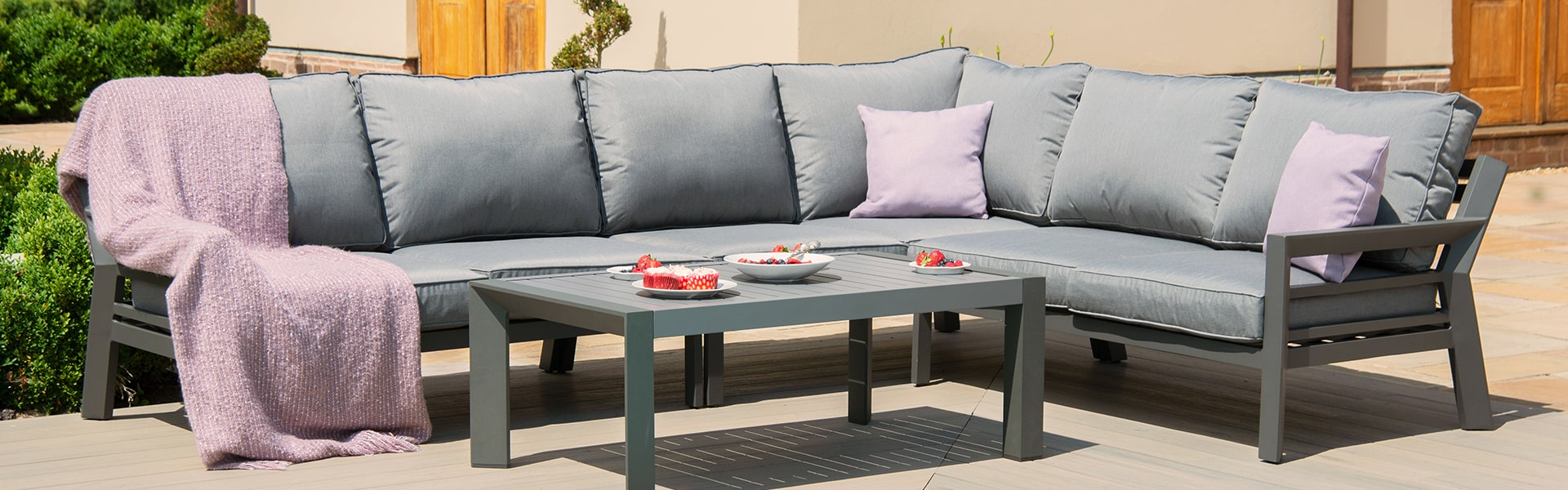
Can I leave outdoor furniture out in the rain, or should I store it indoors?
Whether you can leave outdoor furniture out in the rain or store it indoors depends on the type of furniture and the materials it’s made of. Here are some considerations:
1. Weather-Resistant Materials:
Outdoor furniture made from weather-resistant materials such as aluminum, teak, or synthetic wicker is designed to withstand exposure to rain and other elements. These materials are less prone to rust, rot, or damage caused by moisture. It’s generally safe to leave furniture made from these materials outdoors during light to moderate rain.
2. Protective Covers:
Using protective covers can help shield outdoor furniture from rain and moisture. Waterproof covers specifically designed for outdoor furniture can provide an extra layer of protection, helping to prevent water damage. If your furniture doesn’t have built-in weather resistance, using covers when rain is expected is recommended.
3. Quick-Drying Fabrics:
Outdoor furniture with quick-drying fabrics is designed to resist moisture absorption and promote faster drying. This helps prevent mold and mildew growth. If your furniture has cushions or upholstery made from quick-drying fabrics, it can be left outside during light rain, but it’s advisable to bring them indoors during heavy rain or extended periods of wet weather.
4. Non-Weather-Resistant Materials:
Some outdoor furniture materials, such as certain types of wood or untreated metals, are more susceptible to damage from moisture. These materials may warp, rot, or develop mold if exposed to rain. It’s generally best to store furniture made from non-weather-resistant materials indoors or in a covered area when not in use to prevent water damage.
5. Extreme Weather Conditions:
In cases of severe weather conditions, such as heavy rainstorms, hurricanes, or prolonged periods of wet weather, it’s advisable to store outdoor furniture indoors or in a covered area. Extreme weather can cause significant damage to furniture, even if it’s made from weather-resistant materials.
6. Seasonal Storage:
During seasons when outdoor furniture is not in use or when the weather is consistently wet, it’s generally recommended to store the furniture indoors or in a dry, covered area. This helps protect the furniture from prolonged exposure to rain and extends its lifespan.
7. Regular Maintenance:
Regardless of whether you leave outdoor furniture out in the rain or store it indoors, regular maintenance is essential. Clean the furniture regularly and follow any specific care instructions provided by the manufacturer to ensure its longevity and performance.
Ultimately, the decision to leave outdoor furniture out in the rain or store it indoors depends on the specific furniture materials, weather conditions, and personal preferences. Consider the factors mentioned above and use your judgment to determine the best course of action for your outdoor furniture.
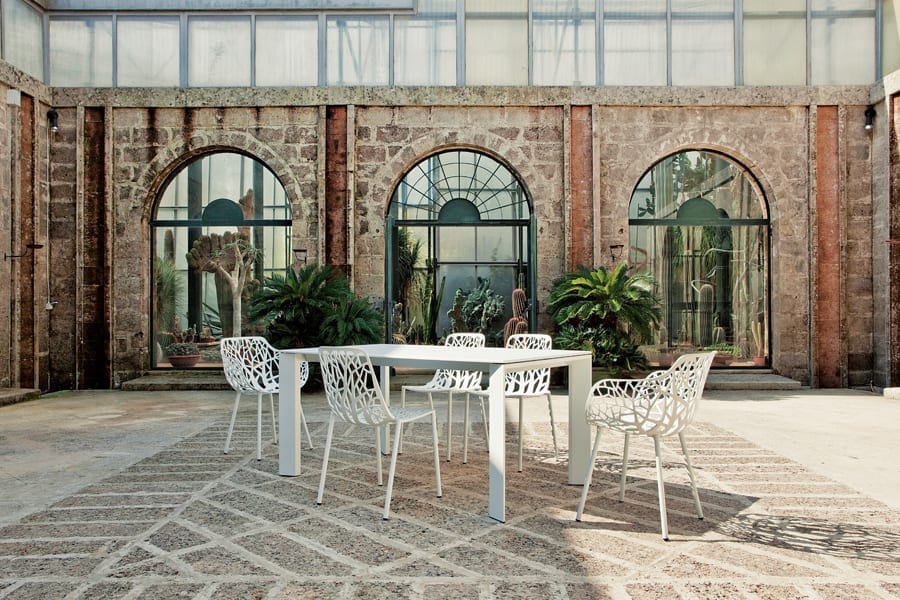
Can you suggest creative ways to arrange outdoor furniture for gatherings?
Arranging outdoor furniture in creative ways can enhance the ambiance and functionality of your outdoor gatherings. Here are some suggestions for arranging outdoor furniture for gatherings:
1. Circular Conversation Area: Create a circular seating arrangement by arranging chairs or sofas in a circle. This layout encourages conversation and allows everyone to see and interact with each other. Place a central coffee table or fire pit in the middle to provide a focal point and space for drinks or snacks.
2. Outdoor Dining Setup: If you’re hosting a meal outdoors, set up a dining area with a large table and chairs. Position the table in a central location and arrange the chairs around it. You can opt for traditional dining chairs or mix it up with benches or a combination of seating options. Consider adding outdoor lighting, such as string lights or lanterns, to create a cozy and inviting atmosphere.
3. Intimate Lounge Area: Create a cozy and intimate lounge area by arranging outdoor sofas, loveseats, or lounge chairs facing each other. This setup is ideal for relaxed conversations or smaller gatherings. Add side tables or a coffee table between the seats for convenience.
4. Outdoor Theater Setup: Turn your outdoor space into a mini theater by arranging seating in a semi-circle or facing a large projection screen or outdoor TV. Provide comfortable seating options such as reclining chairs, outdoor bean bags, or even large floor cushions. Consider adding blankets or throws for extra coziness during evening gatherings.
5. Multiple Seating Areas: If you have a large outdoor space, consider creating multiple seating areas to accommodate different activities and conversations. You can have a lounge area for relaxed conversations, a dining area for meals, and a separate area with chairs or stools for mingling or enjoying a view. Use outdoor rugs or different flooring materials to visually define each seating area.
6. Outdoor Bar Setup: If you enjoy hosting outdoor parties, create a dedicated outdoor bar area. Set up a bar counter or a portable bar cart and arrange bar stools around it. Equip the bar area with essential accessories like a cocktail shaker, glasses, and a small refrigerator or cooler for drinks.
7. Cozy Corner Nooks: Utilize corners or nooks in your outdoor space by creating cozy seating areas. Place a bench or a small loveseat against a wall or a corner, and add cushions and throw pillows for comfort. This setup provides a secluded spot for quiet conversations or relaxation.
Remember to consider the flow of movement and the specific needs of your gatherings when arranging outdoor furniture. Leave enough space for guests to move around comfortably and ensure easy access to amenities like food, drinks, and restrooms.
How do I choose the right cushions and fabrics for my outdoor furniture?
Choosing the right cushions and fabrics for your outdoor furniture is essential to ensure comfort, durability, and resistance to the elements. Here are some factors to consider when making your selection:
1. Weather Resistance: Opt for cushions and fabrics that are specifically designed for outdoor use and can withstand various weather conditions. Look for materials that are water-resistant, fade-resistant, and mold/mildew-resistant. Common weather-resistant fabrics include solution-dyed acrylic, polyester blends, and Sunbrella fabrics.
2. Durability: Outdoor furniture cushions and fabrics should be able to withstand frequent use and the rigors of outdoor environments. Choose fabrics that are durable and have a high abrasion resistance rating. Reinforced stitching and quality construction also contribute to the longevity of the cushions.
3. UV Protection: Sun exposure can cause fading and deterioration of fabrics. Select fabrics that have built-in UV protection to minimize color fading and maintain their appearance over time. Sunbrella fabrics, for example, offer excellent UV resistance.
4. Easy Maintenance: Consider the ease of cleaning and maintenance when choosing cushions and fabrics. Look for fabrics that are easy to clean with mild soap and water or can be machine-washed. Stain-resistant fabrics can also be beneficial in outdoor settings.
5. Comfort: Opt for cushions that provide sufficient comfort and support. Consider the thickness and density of the cushion foam or filling. High-quality foam or fiberfill materials offer better resilience and long-lasting comfort.
6. Color and Style: Choose cushions and fabrics that complement your outdoor aesthetic and personal style. Consider the color scheme, patterns, and textures that will enhance the overall look of your outdoor furniture and space.
7. Compatibility: Ensure that the cushions and fabrics you choose are compatible with your specific outdoor furniture pieces. Measure the dimensions of your furniture and select cushions that fit properly and securely.
8. Test and Research: Whenever possible, examine and test the cushions and fabrics in person. Feel the texture, sit on the cushions, and assess their comfort and quality. Additionally, research customer reviews and ratings to gather insights into the performance and durability of the fabrics.
By considering these factors and conducting thorough research, you can choose cushions and fabrics that are well-suited for your outdoor furniture, providing comfort, durability, and style for your outdoor living space.
editor by CX 2023-10-18